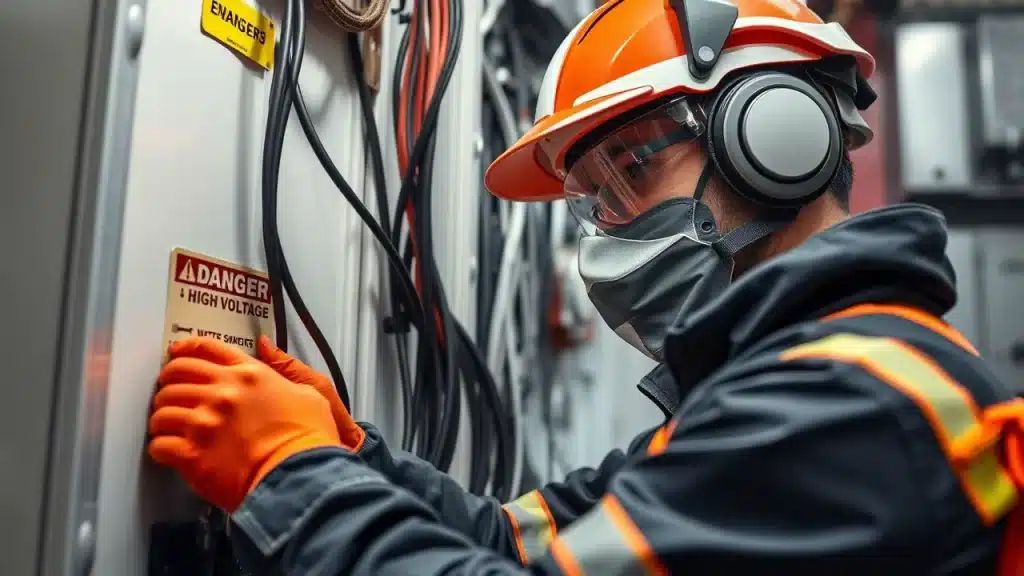
Common electrical hazards are responsible for around 51,000 home fires each year, leading to nearly 500 deaths and over 1,400 injuries nationwide. In Fond du Lac, Wisconsin, these avoidable dangers contribute to more than $1.3 billion in property damage annually. The good news? Most of these electrical hazards can be prevented with proper awareness and safety practices. This guide will help you understand the risks and show you how to safeguard your home effectively.
Bottom Line Up Front: The five most dangerous electrical hazards in your home are faulty wiring, overloaded circuits, outdated electrical panels, water-related electrical dangers, and improper use of extension cords. This comprehensive guide will help you identify these hazards early and take decisive action to protect your family and property.
Understanding Common Electrical Hazards: The Foundation of Home Safety
Your home’s electrical system is like the circulatory system of your house, with electricity flowing through carefully designed pathways to power everything from lights to appliances. When this system functions properly, electricity travels safely through insulated wires to switches, outlets, and devices. However, when components fail or become compromised, electricity can find dangerous alternative paths—potentially through water, faulty equipment, or even through you.
Modern electrical systems include multiple layers of protection, including circuit breakers, Ground Fault Circuit Interrupters (GFCIs), and proper grounding. Understanding these components helps you recognize when something isn’t working correctly and take appropriate action before a minor issue becomes a major hazard.
The Five Most Dangerous Electrical Hazards in Your Home
1. Faulty and Outdated Wiring: The Hidden Danger Behind Your Walls
Faulty wiring represents one of the most serious electrical hazards in homes, particularly in older properties throughout the Fond du Lac area. Poor wiring and defective electrical wires account for a significant portion of electrical fires, with damaged insulation, loose connections, and improper installations creating dangerous conditions that can persist undetected for years.
Warning Signs of Faulty Wiring:
- Frequent circuit breaker trips or blown fuses
- Flickering or dimming lights, especially when appliances turn on
- Warm or discolored outlet covers and switch plates
- Burning smells without an identifiable source
- Mild electrical shocks when touching appliances or switches
- Scorch marks around outlets or electrical panels
Specific Risks in Older Homes: Homes built before 1970 may contain aluminum wiring, which expands and contracts differently than copper, leading to loose connections and increased fire risk. Additionally, cloth-wrapped wiring common in homes from the 1940s and earlier often has deteriorated insulation that can no longer safely contain electrical current.
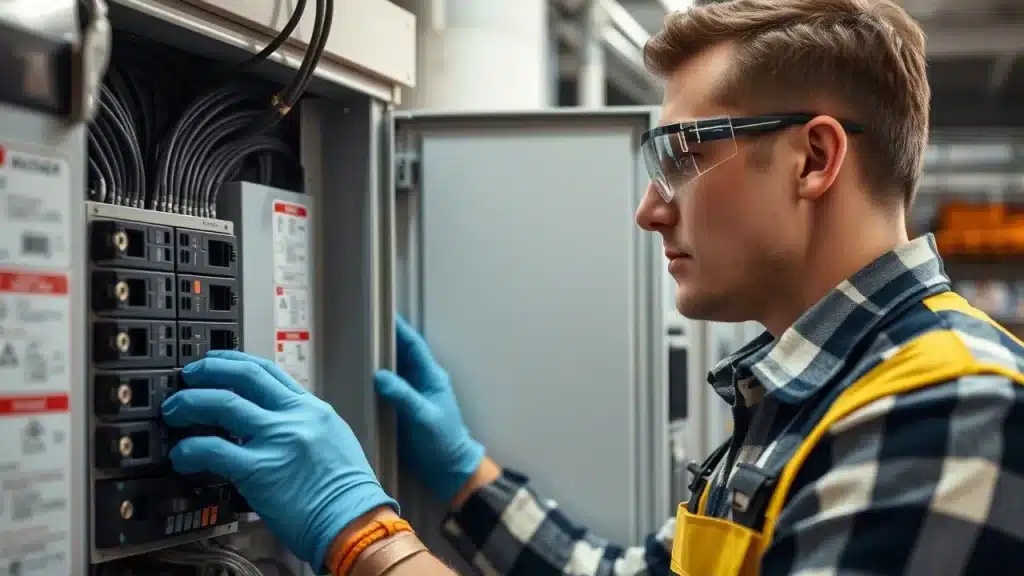
Prevention and Solutions: Have your electrical system inspected by a qualified electrician every 10 years, or every 5 years for homes over 40 years old. If you notice any warning signs, turn off power to the affected circuit immediately and contact a professional. Never attempt to repair wiring yourself—electrical work requires proper licensing and expertise to ensure safety and code compliance.
2. Overloaded Circuits and Electrical Panels: When Demand Exceeds Capacity
Circuit overloading occurs when you connect more electrical devices to a circuit than it can safely handle. Modern homes use significantly more electricity than homes from previous decades, with multiple devices often running simultaneously on circuits that weren’t designed for today’s electrical demands.
How Overloading Happens:
- Using multiple high-wattage appliances on the same circuit
- Daisy-chaining power strips and extension cords
- Adding outlets or devices without considering circuit capacity
- Operating space heaters, hair dryers, and microwaves simultaneously
Signs Your Circuits Are Overloaded:
- Circuit breakers trip frequently
- Lights dim when large appliances start
- Outlets feel warm to the touch
- Extension cords become necessary for basic needs
- Appliances don’t receive full power and operate inefficiently
Safe Load Management: Understand your circuit capacity—most household circuits are rated for 15 or 20 amps. Calculate the total amperage of devices on each circuit by dividing wattage by voltage (typically 120V for standard outlets). Keep total usage below 80% of circuit capacity to provide a safety margin.
When to Upgrade Your Electrical Panel: If your home’s electrical panel is over 25 years old, uses fuses instead of circuit breakers, or can’t meet your current electrical needs, it’s time for an upgrade. Modern panels provide better protection, more capacity, and compliance with current electrical codes.
3. Water and Electricity: The Deadly Combination
Water and electricity create an extremely dangerous combination that can result in electrocution, severe burns, or death. Ground faults occur when electrical current finds an unintended path to ground, often through water or a person’s body, making water-prone areas like bathrooms, kitchens, and outdoor spaces particularly hazardous.
High-Risk Areas in Your Home:
- Bathrooms: Near sinks, tubs, and showers
- Kitchens: Around sinks, dishwashers, and wet countertops
- Laundry rooms: Near washing machines and utility sinks
- Basements: Where humidity and potential flooding occur
- Outdoor areas: Patios, gardens, and pool areas
The Critical Role of GFCI Protection: Ground Fault Circuit Interrupter (GFCI) outlets provide essential protection by monitoring electrical current flow. If a GFCI detects even 4-5 milliamps of current leakage—about 1/30th of what could be fatal—it shuts off power in less than 1/30th of a second.
Where GFCIs Are Required: According to the National Electrical Code, GFCI protection is mandatory for:
- All bathroom outlets
- Kitchen countertop outlets within 6 feet of sinks
- Garage outlets
- Outdoor outlets
- Unfinished basement outlets
- Outlets near pools, spas, and water features
GFCI Maintenance: Test your GFCI outlets monthly by pressing the “TEST” button—the outlet should stop working and the “RESET” button should pop out. Press “RESET” to restore power. If a GFCI won’t reset or doesn’t trip during testing, replace it immediately.
4. Extension Cord Misuse: Temporary Solutions, Permanent Problems
Extension cords cause approximately 3,300 home fires annually, resulting in 50 deaths and 270 injuries. While convenient, extension cords are designed for temporary use and can become serious fire hazards when used inappropriately.
Common Extension Cord Mistakes:
- Using indoor cords outdoors
- Running cords under carpets or through doorways
- Connecting multiple extension cords together
- Using damaged cords with frayed or exposed wires
- Overloading cords beyond their capacity rating
Safe Extension Cord Practices: Choose cords rated for your intended use—outdoor cords for exterior applications, and ensure the cord’s amperage rating exceeds your device’s requirements. Inspect cords before each use, checking for damage, and never use damaged cords. Position cords where they won’t be stepped on, pinched, or create tripping hazards.
When Extension Cords Indicate Bigger Problems: If you regularly rely on extension cords, your home likely needs additional outlets. This situation often indicates that your electrical system isn’t meeting your current needs and may require professional upgrades.
5. Outdated Electrical Panels: The Heart of Your Home’s Safety System
Your electrical panel serves as the central hub for your home’s electrical system, distributing power throughout your house and providing critical safety protection. Electrical panels typically last 25-40 years, but panels installed before 1990 may not meet current safety standards and could pose significant risks.
Warning Signs of an Outdated Panel:
- Frequent breaker trips even with normal electrical use
- Burning smells or unusual sounds (buzzing, crackling) from the panel
- Rust, corrosion, or scorch marks on the panel
- Warm or hot circuit breaker switches
- Lights that flicker when appliances start
- Fuses instead of modern circuit breakers
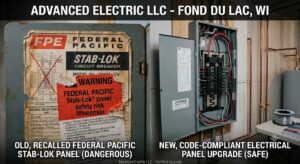
Dangerous Panel Brands: Certain electrical panel brands from the 1960s-1980s have documented safety issues:
- Federal Pacific Electric (FPE) panels with Stab-Lok breakers
- Zinsco panels
- Challenger panels
These panels may fail to trip during overload conditions, creating serious fire hazards that require immediate replacement.
Benefits of Panel Upgrades: Modern electrical panels provide enhanced safety features, increased capacity for today’s electrical demands, and compliance with current electrical codes. Upgrading can also improve your home’s value and may be required for insurance coverage.
Additional Electrical Hazards Every Homeowner Should Know
Light Bulb Wattage Errors
Using light bulbs with higher wattage than fixtures are designed to handle creates a fire hazard through overheating. Always check fixture labels for maximum wattage ratings and never exceed these limits. LED bulbs produce less heat and use less electricity, making them safer choices for most applications.
Space Heater Safety
Space heaters cause numerous electrical fires each year. Keep heaters at least three feet from anything combustible, never leave them unattended, and ensure they’re plugged directly into wall outlets—never extension cords or power strips.
DIY Electrical Work Dangers
Approximately 400 people are electrocuted annually in their homes, with many incidents occurring during amateur electrical work. Electrical work requires proper training, licensing, and adherence to local codes. Always hire qualified electricians for installations, repairs, and upgrades.
Protecting Your Family: A Room-by-Room Safety Checklist
Kitchen Safety
- Install GFCI outlets near all water sources
- Avoid using electrical appliances with wet hands
- Keep appliances away from water sources when possible
- Check that small appliances are UL-listed for safety
Bathroom Safety
- Ensure all outlets have GFCI protection
- Keep electrical devices away from water
- Never use hair dryers, radios, or other devices while in the bathtub
- Install exhaust fans to reduce humidity
Bedroom and Living Area Safety
- Avoid running cords under rugs or furniture
- Don’t overload outlets with multiple devices
- Replace damaged lamp cords immediately
- Ensure smoke detectors have fresh batteries
Basement and Garage Safety
- Install GFCI protection in damp areas
- Keep electrical panels clear of storage items
- Use appropriate lighting to safely access electrical components
- Address moisture issues that could affect electrical safety
Outdoor Safety
- Use only outdoor-rated electrical equipment outside
- Install GFCI protection for all outdoor outlets
- Keep electrical connections dry and protected from weather
- Maintain safe distances from overhead power lines during yard work
Creating an Electrical Safety Plan for Your Home
Regular Inspection Schedule
- Monthly: Test all GFCI outlets
- Quarterly: Visual inspection of outlets, switches, and cords
- Annually: Professional electrical system inspection for homes over 25 years old
- Bi-annually: Professional inspection for homes over 40 years old
Warning Sign Response Protocol
When you notice electrical warning signs:
- Immediate dangers (burning smells, sparks, shocks): Turn off power at the main breaker and call emergency services if necessary
- Moderate concerns (flickering lights, warm outlets): Turn off affected circuits and contact an electrician
- Minor issues (occasional breaker trips): Monitor the situation and schedule professional evaluation
Emergency Preparedness
- Know the location of your main electrical panel
- Keep flashlights and battery-powered emergency lighting accessible
- Post emergency contact information for your electrician
- Understand how to safely shut off power to your entire home
When to Call a Professional Electrician
Never delay professional help when you encounter:
- Any burning smells related to electrical components
- Repeated shocks from appliances or switches
- Frequent circuit breaker trips
- Outlets or switches that feel warm or hot
- Visible sparks or arcing
- Water damage near electrical components
Schedule routine inspections if:
- Your home is over 25 years old
- You’re planning renovations or additions
- You’re experiencing any electrical warning signs
- You want to upgrade to modern safety standards
The Advanced Electric LLC Advantage in Fond du Lac
For Fond du Lac homeowners seeking reliable electrical safety solutions, working with experienced local professionals ensures your electrical system meets the highest safety standards. Professional electricians provide comprehensive safety assessments, identify potential hazards before they become dangerous, and implement solutions that protect your family and property investment.
Quality electrical work includes proper installation techniques, adherence to local electrical codes, and use of high-grade materials designed for long-term safety and reliability. When you invest in professional electrical services, you’re investing in your family’s safety and your home’s long-term value.
Taking Action: Your Next Steps for Electrical Safety
Electrical safety isn’t something to postpone—the stakes are simply too high. Start by conducting a basic visual inspection of your home using the checklists provided in this guide. Test your GFCI outlets, check for obvious warning signs, and assess the age and condition of your electrical panel.
If you discover potential hazards or if your home hasn’t had a professional electrical inspection in several years, contact a qualified electrician immediately. The cost of professional electrical services is minimal compared to the potential costs of electrical fires, property damage, or personal injury.
Remember that electrical safety is an ongoing responsibility, not a one-time concern. By staying informed, conducting regular inspections, and working with qualified professionals when needed, you can ensure your home remains a safe haven for your family.
Don’t wait for an electrical emergency to take action. Schedule your comprehensive electrical safety inspection today and take the first step toward protecting what matters most—your family’s safety and your home’s security.
Frequently Asked Questions About Home Electrical Safety
Q: How often should I have my home’s electrical system inspected? A: Homes over 25 years old should have professional electrical inspections every 5-10 years. Newer homes can typically go 10-15 years between inspections, unless you notice warning signs that warrant immediate attention.
Q: Can I replace a regular outlet with a GFCI outlet myself? A: While some experienced DIYers can handle this task, we recommend professional installation to ensure proper wiring and code compliance. Incorrect GFCI installation can create safety hazards rather than prevent them.
Q: What should I do if my circuit breaker keeps tripping? A: Frequent breaker trips indicate a serious problem. Turn off and unplug devices on that circuit, then try resetting the breaker once. If it trips again immediately, contact an electrician—never force a breaker to stay on.
Q: How do I know if my electrical panel needs replacement? A: Consider replacement if your panel is over 25 years old, uses fuses instead of breakers, shows signs of damage or corrosion, or frequently trips breakers. Modern homes typically need 150-200 amp service, while older panels may only provide 60-100 amps.
Q: Are electrical issues covered by homeowner’s insurance? A: Coverage varies by policy and cause. Electrical fires due to faulty wiring may be covered, but damage from lack of maintenance or code violations might not be. Upgrading electrical systems can potentially reduce insurance premiums.
Q: What’s the difference between 15-amp and 20-amp circuits? A: 20-amp circuits can safely handle more electrical load than 15-amp circuits. Most household lighting uses 15-amp circuits, while kitchen appliances and other high-power devices typically require 20-amp circuits.