Introduction: Why Electrical Maintenance Matters
Your home’s electrical system works tirelessly behind the scenes, powering everything from your morning coffee maker to your evening entertainment. Most homeowners take this invisible network for granted until something goes wrong. However, regular electrical maintenance is one of the most important safety practices you can implement to protect your family and property.
According to the U.S. Fire Administration, electrical malfunctions account for more than eight percent of residential fires resulting in fatalities. The good news? Most electrical problems are preventable through proper maintenance and early detection. A comprehensive electrical maintenance checklist helps you identify potential hazards before they become dangerous, costly, or life-threatening situations.
This guide provides you with everything you need to maintain your home’s electrical system safely and effectively. From monthly DIY checks to annual professional inspections, you’ll learn when to handle tasks yourself and when to call Wisconsin’s trusted electrical professionals.
Chapter 1: Understanding Your Home’s Electrical System
Basic Components of Home Electrical Systems
Before diving into maintenance tasks, it’s essential to understand the key components of your electrical system:
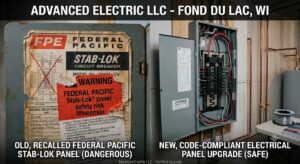
Electrical Panel (Service Panel): The heart of your electrical system, distributing power from the utility company to individual circuits throughout your home. Modern panels use circuit breakers, while older homes may still have fuse boxes.
Circuit Breakers and Fuses: Safety devices that automatically shut off power when circuits become overloaded or experience faults. Circuit breakers can be reset, while fuses must be replaced.
Wiring: The network of cables that carries electricity throughout your home. Different types of wiring serve different purposes, from main service lines to individual outlet circuits.
Outlets and Switches: The access points where you connect appliances and control lighting. GFCI outlets provide additional protection in wet areas like bathrooms and kitchens.
Grounding System: A safety network that provides a path for electrical current to safely return to the ground in case of electrical faults.
How Electrical Systems Age and Deteriorate
Understanding how electrical components deteriorate helps you prioritize maintenance tasks:
Insulation Breakdown: Over time, electrical insulation can deteriorate due to heat, moisture, rodents, or general wear. This degradation exposes wires and increases shock or fire risk.
Connection Loosening: Thermal expansion and contraction, vibration, and age can cause electrical connections to loosen, creating resistance, heat, and potential fire hazards.
Component Wear: Switches, outlets, and circuit breakers wear out with use and age, becoming less reliable and potentially dangerous.
Code Evolution: Electrical codes evolve to improve safety. Older systems may not meet current standards, necessitating updates during maintenance or renovations.
Chapter 2: Monthly Electrical Safety Checks
Visual Inspection of Electrical Components
Electrical Panel Inspection:
- Look for signs of rust, corrosion, or damage on the panel exterior
- Check for burning smells or unusual sounds coming from the panel
- Ensure all circuit breakers are properly labeled
- Verify that the panel area remains clear of stored items
- Note any frequently tripping breakers for professional evaluation
Outlet and Switch Examination:
- Test all outlets for proper operation
- Check for loose, cracked, or discolored outlet covers
- Look for scorch marks around outlets or switches
- Ensure outlet covers are secure and undamaged
- Test switches for smooth operation without buzzing or sparking
Visible Wiring Assessment:
- Examine extension cords for fraying, cracks, or damage
- Check appliance cords for wear or exposed wiring
- Inspect visible wiring in basements, garages, and utility areas
- Look for signs of rodent damage to wiring insulation
- Ensure no wiring is pinched under furniture or doors
GFCI Outlet Testing
Ground Fault Circuit Interrupter (GFCI) outlets are critical safety devices that protect against electrical shock in wet areas. Here’s how to test them monthly:
Testing Procedure:
- Locate all GFCI outlets (typically in bathrooms, kitchens, garages, and outdoor areas)
- Press the “TEST” button on each GFCI outlet
- The outlet should stop providing power immediately
- Press the “RESET” button to restore power
- If the outlet doesn’t respond properly, have it replaced immediately
Common GFCI Locations:
- All bathroom outlets
- Kitchen countertop outlets
- Garage outlets
- Outdoor outlets
- Basement outlets in unfinished areas
- Pool and spa areas
Smoke and Carbon Monoxide Detector Maintenance
While not strictly electrical maintenance, these life-safety devices depend on your electrical system:
Monthly Testing:
- Press the test button on each smoke detector
- Listen for the loud alarm sound
- Replace batteries immediately if the low-battery warning sounds
- Clean detector faces to remove dust buildup
- Test carbon monoxide detectors using the same procedure
Annual Maintenance:
- Replace detector batteries annually, even if they seem functional
- Replace smoke detectors every 10 years
- Replace carbon monoxide detectors every 5-7 years
Chapter 3: Seasonal Electrical Maintenance Tasks
Spring Electrical Maintenance Checklist
Spring is an ideal time for comprehensive electrical maintenance after winter’s challenges:
Outdoor Electrical Inspection:
- Check outdoor outlets for weather damage
- Ensure outdoor outlet covers are secure and weatherproof
- Inspect outdoor lighting fixtures for winter damage
- Test outdoor GFCI outlets after winter freeze/thaw cycles
- Check landscape lighting for damage from snow or ice
Indoor System Assessment:
- Test all smoke and carbon monoxide detectors
- Inspect the electrical panel for any winter-related issues
- Check basement and garage outlets for moisture damage
- Review extension cord usage and replace damaged cords
- Schedule professional inspection if any issues are discovered
Energy Efficiency Improvements:
- Switch to LED bulbs to reduce energy consumption
- Unplug devices that draw standby power
- Consider smart plugs for better energy management
- Evaluate lighting needs for longer spring days
Summer Electrical Preparation
Summer brings increased electrical demands from air conditioning and outdoor activities:
Air Conditioning Electrical Requirements:
- Ensure adequate electrical capacity for cooling systems
- Check that AC units have dedicated circuits
- Inspect electrical connections to outdoor AC units
- Verify proper grounding of all cooling equipment
Outdoor Living Electrical Safety:
- Install adequate outdoor lighting for evening activities
- Ensure pool and spa electrical systems are properly maintained
- Check electrical connections to outdoor entertainment systems
- Verify GFCI protection for all outdoor electrical usage
Fall Electrical Winterization
Preparing your electrical system for winter ensures reliability during cold months:
Heating System Electrical Checks:
- Inspect electrical connections to furnaces and heat pumps
- Test backup heating systems and their electrical requirements
- Ensure adequate electrical capacity for increased winter demands
- Check electrical connections to space heaters (if used)
Holiday Lighting Preparation:
- Inspect holiday lighting strings before installation
- Calculate electrical loads to prevent circuit overloads
- Plan safe installation methods to avoid electrical hazards
- Consider timer controls to manage holiday lighting usage
Winter Electrical Monitoring
Wisconsin winters demand extra attention to electrical systems:
Cold Weather Electrical Challenges:
- Monitor for increased electrical usage from heating systems
- Watch for ice damage to outdoor electrical components
- Check generator systems (if installed) for proper operation
- Ensure adequate electrical capacity for winter demands
Indoor Air Quality Electrical Needs:
- Verify proper electrical supply to humidification systems
- Check electrical connections to ventilation fans
- Ensure backup power availability for critical systems
Chapter 4: Annual Professional Electrical Inspections
Why Professional Inspections Are Essential
While homeowner maintenance catches obvious problems, professional electrical inspections identify hidden hazards that could threaten your family’s safety:
Professional Expertise Benefits:
- Licensed electricians understand electrical codes and safety standards
- Professional equipment can detect problems invisible to homeowners
- Comprehensive inspections cover areas homeowners can’t safely access
- Professional documentation helps with insurance and resale
Hidden Hazards Professional Inspections Detect:
- Overloaded circuits that appear to function normally
- Deteriorating wiring inside walls
- Improper electrical installations from previous work
- Code violations that create safety risks
- Electrical system capacity issues
What Professional Inspections Include
Comprehensive System Evaluation:
- Detailed electrical panel inspection and load analysis
- Circuit breaker testing and evaluation
- Wiring condition assessment throughout the home
- Grounding system verification
- GFCI and AFCI protection evaluation
- Outlet and switch functionality testing
Code Compliance Assessment:
- Current electrical code compliance evaluation
- Safety standard verification
- Identification of required upgrades or improvements
- Documentation of inspection findings and recommendations
Preventive Maintenance Services:
- Electrical connection tightening
- Panel cleaning and maintenance
- Component replacement recommendations
- System optimization suggestions
When to Schedule Professional Inspections
Annual Inspection Recommendations:
- Homes over 25 years old should have annual inspections
- Newer homes can typically go 3-5 years between inspections
- Properties with known electrical issues need more frequent evaluation
- Homes with recent electrical work should be inspected for compliance
Immediate Professional Inspection Triggers:
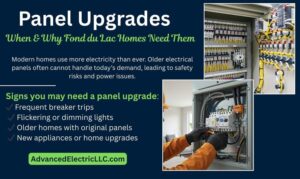
- Frequent circuit breaker trips
- Burning smells from electrical components
- Flickering or dimming lights
- Warm outlets or switches
- Electrical shocks from appliances or switches
- Visible sparking from electrical components
Chapter 5: Identifying Electrical Warning Signs
Immediate Danger Signals
Some electrical problems require immediate professional attention to prevent injury or property damage:
Fire Risk Indicators:
- Burning smells from outlets, switches, or panels
- Scorch marks around electrical components
- Warm or hot outlets, switches, or panel covers
- Sparking from electrical components
- Smoke from electrical equipment
Shock Risk Indicators:
- Electrical shocks from appliances or switches
- Tingling sensations when touching electrical components
- GFCI outlets that won’t reset properly
- Exposed wiring or damaged insulation
- Wet electrical components
Performance Issues That Need Attention
Circuit Overload Signs:
- Lights that dim when appliances start
- Frequent circuit breaker trips
- Need for multiple extension cords
- Outlets that don’t provide full power
- Appliances that don’t operate at full capacity
System Aging Indicators:
- Flickering lights throughout the home
- Outlets with only two prongs (no grounding)
- Electrical panels with fuses instead of breakers
- Knob-and-tube wiring in older homes
- Insufficient electrical capacity for modern needs
Environmental Factors Affecting Electrical Systems
Moisture-Related Problems:
- Rust or corrosion on electrical components
- Water stains near electrical panels or outlets
- Moisture in basement electrical systems
- Outdoor electrical components exposed to weather
Pest-Related Electrical Damage:
- Chewed wiring insulation
- Nests in electrical panels or junction boxes
- Rodent droppings near electrical components
- Damaged wiring in crawl spaces or attics
Chapter 6: DIY Electrical Maintenance Tasks
Safe DIY Electrical Practices
Before attempting any electrical maintenance, prioritize safety:
Essential Safety Precautions:
- Turn off power at the circuit breaker before working
- Use insulated tools and wear rubber-soled shoes
- Keep hands and tools dry
- Work in well-lit conditions
- Have a fire extinguisher nearby
- Never work on electrical systems during storms
Tasks Appropriate for DIY Maintenance:
- Replacing light bulbs and fixtures (with power off)
- Testing GFCI outlets
- Cleaning electrical panel areas
- Visual inspections of electrical components
- Replacing batteries in smoke detectors
Tasks Requiring Professional Service:
- Any work inside electrical panels
- Wiring repairs or installations
- Circuit breaker replacement
- Electrical code compliance work
- Troubleshooting electrical problems
Monthly DIY Maintenance Tasks
Basic Visual Inspections:
- Walk through your home examining all visible electrical components
- Look for signs of wear, damage, or overheating
- Test all GFCI outlets using test/reset buttons
- Check that electrical panels remain clear of stored items
- Note any unusual sounds, smells, or visual changes
Simple Performance Tests:
- Test smoke and carbon monoxide detectors
- Check that all outlets provide proper power
- Verify that switches operate smoothly
- Ensure extension cords are in good condition
- Confirm that circuit breakers are properly labeled
Quarterly DIY Maintenance Tasks
Seasonal Equipment Checks:
- Inspect heating and cooling system electrical connections
- Check outdoor electrical components for weather damage
- Test backup power systems (if installed)
- Evaluate electrical load distribution during peak usage periods
Home Safety System Maintenance:
- Deep clean electrical panel areas
- Update circuit breaker labels if needed
- Check surge protector condition and operation
- Evaluate extension cord usage and replace as needed
Chapter 7: Electrical Maintenance Tools and Equipment
Essential Tools for Homeowner Electrical Maintenance
Basic Testing Equipment:
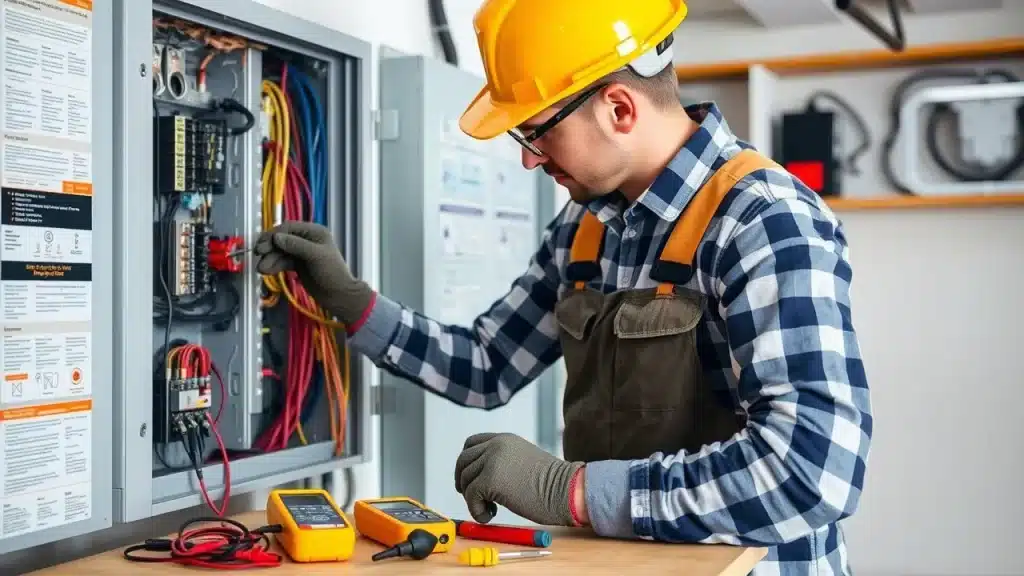
- Non-contact voltage tester for safely checking if circuits are live
- GFCI outlet tester for verifying proper operation
- Multimeter for basic electrical measurements (if you’re comfortable using one)
- Circuit breaker finder for identifying specific circuits
Safety Equipment:
- Insulated screwdrivers and pliers
- Rubber-soled shoes or electrical safety boots
- Safety glasses for electrical work
- Fire extinguisher rated for electrical fires
- Flashlight or headlamp for adequate lighting
Basic Maintenance Supplies:
- Electrical tape for temporary repairs
- Wire nuts for secure connections (professional installation only)
- Replacement GFCI outlets
- Smoke detector batteries
- Electrical panel labels
When to Upgrade Electrical Testing Equipment
Advanced DIY Testing Tools: For homeowners comfortable with electrical testing, advanced tools can provide more detailed system information:
- Digital multimeters for precise electrical measurements
- Clamp-on ammeters for measuring electrical loads
- Outlet analyzers for comprehensive outlet testing
- Thermal imaging devices for detecting hot spots (professional grade)
Professional Equipment Benefits: Professional electricians use specialized equipment that provides comprehensive system analysis:
- Thermal imaging cameras for detecting overheating
- Power quality analyzers for identifying electrical problems
- Insulation resistance testers for evaluating wire condition
- Load analyzers for determining electrical system capacity
Chapter 8: Electrical Maintenance Record Keeping
Documenting Electrical Maintenance Activities
Maintenance Log Benefits:
- Track electrical system performance over time
- Identify recurring problems that need professional attention
- Provide documentation for insurance claims
- Maintain records for home sale or refinancing
- Schedule regular maintenance tasks
Essential Record Information:
- Date of maintenance or inspection
- Tasks performed or issues identified
- Professional services obtained
- Parts replaced or repairs made
- Follow-up actions required
Creating a Home Electrical Maintenance Schedule
Monthly Tasks Schedule:
- GFCI outlet testing
- Smoke detector testing
- Visual inspection of electrical components
- Extension cord and appliance cord inspection
Seasonal Tasks Schedule:
- Spring outdoor electrical inspection
- Summer air conditioning electrical check
- Fall heating system electrical verification
- Winter electrical load monitoring
Annual Tasks Schedule:
- Professional electrical inspection
- Surge protector replacement evaluation
- Electrical panel maintenance
- System capacity assessment
Using Technology for Electrical Maintenance Tracking
Digital Maintenance Tools:
- Smartphone apps for maintenance scheduling
- Digital photos for documenting electrical component condition
- Cloud storage for maintenance records
- Calendar reminders for scheduled tasks
Smart Home Integration:
- Smart electrical panels for real-time system monitoring
- Energy monitoring systems for load tracking
- Smart smoke detectors with app notifications
- Automated maintenance reminders
Chapter 9: Wisconsin-Specific Electrical Maintenance Considerations
Climate-Related Electrical Challenges
Wisconsin’s climate creates unique electrical maintenance needs:
Winter Weather Impacts:
- Cold temperatures can cause electrical components to contract and expand
- Ice and snow can damage outdoor electrical equipment
- Increased heating loads strain electrical systems
- Power outages from storms require backup power planning
Summer Weather Considerations:
- High humidity can affect electrical insulation
- Air conditioning loads increase electrical demand
- Thunderstorms create power surge risks
- Outdoor electrical systems face weather exposure
Wisconsin Electrical Code Requirements
State and Local Code Compliance:
- Wisconsin follows National Electrical Code with state modifications
- Local municipalities may have additional requirements
- Regular updates to codes require periodic compliance reviews
- Professional inspections ensure code compliance
Common Wisconsin Code Updates:
- GFCI protection requirements in various areas
- AFCI protection for bedroom and living area circuits
- Electrical panel clearance and labeling requirements
- Grounding system upgrades for safety
Seasonal Energy Efficiency Opportunities
Wisconsin Energy Programs:
- Focus on Energy program offers efficiency incentives
- Utility company rebates for electrical upgrades
- Energy efficiency financing options
- Professional energy audits to identify improvement opportunities
Seasonal Efficiency Strategies:
- LED lighting conversion for reduced energy use
- Smart thermostats for optimal heating and cooling control
- Energy monitoring systems for usage awareness
- Appliance upgrades for improved efficiency
Chapter 10: When to Call Professional Electricians
Emergency Electrical Situations
Some electrical situations require immediate professional response:
Life-Threatening Emergencies:
- Electrical fires or smoke from electrical equipment
- Electrical shock injuries
- Downed power lines on your property
- Flooding affecting electrical systems
- Gas leaks near electrical equipment
Urgent Professional Service Needs:
- Complete power outages affecting only your home
- Sparking electrical components
- Burning smells from electrical systems
- Electrical panels that are warm or making unusual sounds
- GFCI outlets that won’t reset and stay tripped
Routine Professional Service Scheduling
Annual Service Recommendations:
- Comprehensive electrical system inspections
- Electrical panel maintenance and cleaning
- Load analysis and capacity planning
- Code compliance evaluation
- Preventive maintenance services
Project-Based Professional Services:
- Electrical panel upgrades
- Circuit additions for new appliances
- GFCI and AFCI installation
- Whole-house surge protection
- Generator connection and maintenance
Choosing Qualified Wisconsin Electrical Contractors
Essential Contractor Qualifications:
- Valid Wisconsin electrical license
- Current liability and workers’ compensation insurance
- Local references and proven track record
- Emergency service availability
- Continuing education in current electrical codes
Red Flags to Avoid:
- Unlicensed contractors offering electrical services
- Door-to-door solicitors
- Requests for full payment before work completion
- No written estimates or contracts
- Extremely low bids that seem too good to be true
Frequently Asked Questions
Q: How often should I test my GFCI outlets?
A: Test GFCI outlets monthly by pressing the “test” button to ensure they trip properly, then press “reset” to restore power. If a GFCI doesn’t respond correctly, have it replaced immediately by a professional electrician.
Q: What should I do if a circuit breaker keeps tripping?
A: First, unplug devices on that circuit to reduce the load. If the breaker still trips, this indicates a more serious problem requiring professional diagnosis. Never ignore frequent breaker trips, as they signal potential safety hazards.
Q: Can I perform electrical maintenance myself?
A: Homeowners can safely perform basic maintenance like visual inspections, GFCI testing, and smoke detector battery replacement. However, any work involving electrical panels, wiring, or circuit modifications should be done by licensed electricians.
Q: How do I know if my electrical system needs upgrading?
A: Signs include frequent breaker trips, flickering lights, insufficient outlets requiring extension cord use, warm outlets or switches, and electrical systems over 25 years old. A professional electrical inspection can determine upgrade needs.
Q: What’s the difference between electrical maintenance and electrical repair?
A: Maintenance involves preventive tasks to keep systems functioning safely, while repair addresses specific problems after they occur. Regular maintenance helps prevent many electrical problems that would otherwise require costly repairs.
Q: When should I schedule professional electrical inspections?
A: Schedule annual inspections for homes over 25 years old, and every 3-5 years for newer homes. Also schedule inspections when buying a home, after electrical work, or if you notice any electrical problems.
Q: Are smart electrical panels worth the investment?
A: Smart panels offer real-time monitoring, energy usage tracking, and remote control capabilities. They’re particularly valuable for homeowners interested in energy management and system optimization, though traditional panels adequately serve basic electrical needs.
Q: What should I do during a power outage?
A: Check if the outage affects only your home or the entire neighborhood. If only your home is affected, check your electrical panel for tripped breakers. For widespread outages, report to your utility company and avoid using candles or generators indoors.
Conclusion: Protecting Your Home Through Electrical Maintenance
Regular electrical maintenance is one of the most important steps you can take to protect your family and property. By following this comprehensive checklist, you’ll identify potential problems early, prevent costly repairs, and ensure your electrical system operates safely and efficiently.
Key Benefits of Regular Electrical Maintenance:
- Enhanced Safety: Early problem detection prevents electrical fires and shock hazards
- Cost Savings: Preventive maintenance costs less than emergency repairs
- System Reliability: Well-maintained electrical systems perform better and last longer
- Code Compliance: Regular inspections ensure your home meets current safety standards
- Peace of Mind: Knowing your electrical system is safe provides invaluable security
Your Electrical Maintenance Action Plan:
- Start with monthly safety checks using our DIY checklist
- Schedule seasonal maintenance appropriate for Wisconsin’s climate
- Plan annual professional inspections for comprehensive system evaluation
- Keep detailed maintenance records for tracking and insurance purposes
- Address problems promptly to prevent minor issues from becoming major hazards
Professional Support When You Need It: While many maintenance tasks can be performed safely by homeowners, professional electrical services are essential for complex work, safety compliance, and peace of mind.
When you need professional electrical maintenance, inspection, or repair services in the Fond du Lac area, Advanced Electric LLC provides comprehensive electrical services with the expertise Wisconsin homeowners trust. Our licensed electricians understand Wisconsin’s unique electrical challenges and provide reliable maintenance services that keep your home safe and functional.
From routine electrical inspections to emergency electrical repairs, Advanced Electric LLC has served Wisconsin families for over two decades. Our commitment to safety, quality, and customer satisfaction makes us the preferred choice for homeowners throughout the Fond du Lac region.
Whether you need residential electrical services or commercial electrical work, our experienced team provides the professional service and expertise that keeps Wisconsin homes and businesses safely powered.
Don’t wait for electrical problems to threaten your family’s safety. Contact Advanced Electric LLC today to schedule your professional electrical inspection and maintenance service.