Fond du Lac electrical codes are the key to safe, legal, and compliant electrical work—whether you’re upgrading a panel, wiring a new addition, or installing an EV charger. In 2025, understanding how national, state, and local electrical codes intersect is essential for homeowners and contractors alike. This complete guide walks you through everything from permits and inspections to common code violations and contractor licensing, helping you protect your property and stay up to code.
The Foundation: How Electrical Codes Work in Fond du Lac
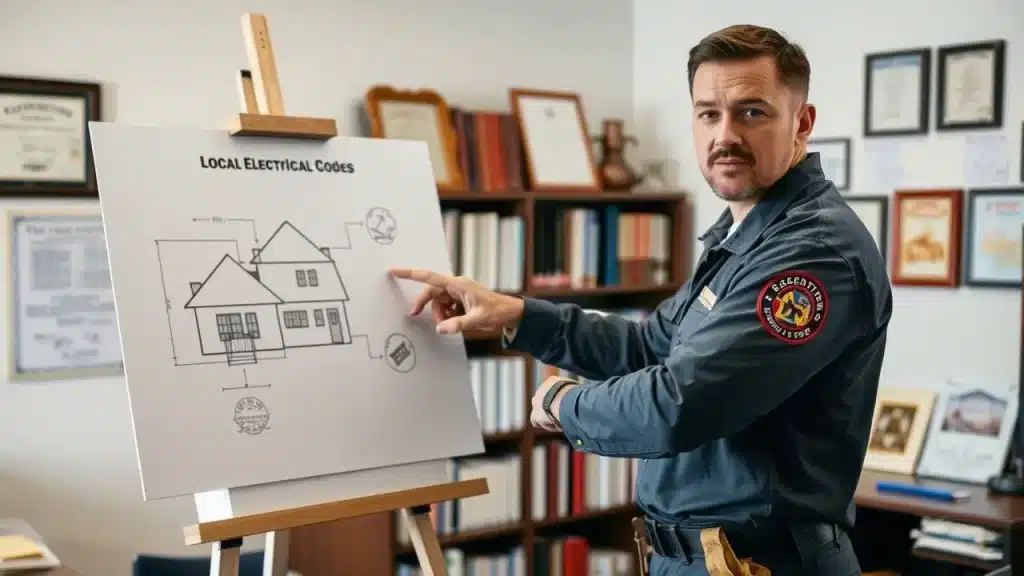
Fond du Lac’s electrical regulations operate within a multi-layered system that combines federal guidelines, state requirements, and local ordinances. Understanding this hierarchy is essential for anyone working with electrical systems in the city.
The Three-Tier Code Structure
National Electrical Code (NEC): The foundation of all electrical safety standards in the United States, published by the National Fire Protection Association (NFPA) and updated every three years.
Wisconsin State Electrical Code: Wisconsin has adopted the 2017 NEC through Chapter SPS 316 of the Wisconsin Administrative Code, with specific state amendments and modifications.
City of Fond du Lac Electrical Code: Local ordinances that supplement state requirements with city-specific regulations, found in Chapter 255, Article IV of the municipal code.
This layered approach ensures that electrical work meets the highest safety standards while addressing local conditions and requirements unique to Fond du Lac.
Current Code Editions in Effect
As of 2024, Fond du Lac operates under these electrical code editions:
- Wisconsin Commercial Code: Based on the 2017 NEC with Wisconsin amendments
- Residential Electrical Work: The 2017 NEC applies to all residential projects, including one- and two-family dwellings
- Local Amendments: City-specific requirements that supplement state codes
Wisconsin is currently among the states still using the 2017 NEC, though updates to newer editions are being evaluated at the state level. This means that while newer NEC editions (2020, 2023) exist, Wisconsin contractors and homeowners must follow the 2017 standards.
Key Players in Fond du Lac’s Electrical Code Enforcement
Understanding who enforces electrical codes and their specific roles helps ensure your project proceeds smoothly from planning through final approval.
City of Fond du Lac Building Inspection Division
The Building Inspection Division, located on the first floor of the City/County Government building, serves as the primary authority for electrical code enforcement. You can reach them at (920) 322-3570 for questions about city regulations.
Services Provided:
- Electrical permit issuance and review
- Plan review for complex installations
- Electrical inspections during construction
- Code interpretation and guidance
- Violation enforcement and correction oversight
Wisconsin Department of Safety and Professional Services (DSPS)
DSPS maintains oversight of electrical licensing and certain types of installations throughout Wisconsin, including Fond du Lac.
DSPS Responsibilities:
- Electrical contractor and electrician licensing
- Plan review for large commercial projects (25,000+ cubic feet)
- School and high-hazard occupancy reviews
- Multi-family residential buildings (3+ units)
- Continuing education requirements for electrical professionals
Licensed Electrical Contractors
Only licensed electrical contractors or qualified homeowners may perform electrical work in Fond du Lac. The city requires that:
- All electrical contractors hold a master electrician’s license or employ a master electrician in a supervisory capacity
- Electrical work must be performed by licensed individuals or registered apprentices under proper supervision
- Industrial firms may employ licensed electrical maintenance electricians for on-site work
Fond du Lac Electrical Permit Requirements
The permit process serves as the first checkpoint for ensuring electrical work meets code requirements. Understanding when permits are required and how to obtain them streamlines your project timeline.
When Electrical Permits Are Required
Fond du Lac requires electrical permits for virtually all electrical work, with very limited exceptions:
Always Requires Permits:
- New electrical installations in any building
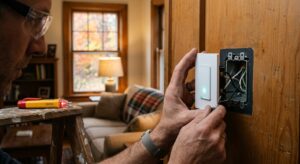
- Additional outlets, switches, or fixtures
- Electrical panel upgrades or replacements
- New circuits or circuit modifications
- Outdoor electrical installations
- Swimming pool electrical systems
- Electric vehicle charging station installations
- Generator connections
- Any electrical work involving new wiring
Limited Exceptions:
- Minor maintenance repairs (at inspector discretion)
- Simple bulb or fuse replacements
- Plug-in appliance connections to existing outlets
Who Can Apply for Electrical Permits
Fond du Lac restricts permit applications to qualified individuals:
Licensed Electrical Contractors: Must hold appropriate Wisconsin electrical contractor licenses and provide proof of insurance and bonding.
Licensed Industrial Firms: Companies with licensed electrical maintenance staff may obtain permits for work on their own facilities.
Homeowners: May obtain permits for electrical work on their primary residence, subject to these restrictions:
- Must physically reside at the property where work is being performed
- Limited to single-family residential properties
- Must personally perform the work (cannot hire unlicensed help)
- Subject to the same inspection requirements as contractor work
Permit Application Process
The permit application process in Fond du Lac has been streamlined to accommodate both digital and traditional submissions:
Application Methods:
- Online Submission: Email completed applications to fdlinspections@fdl.wi.gov
- In-Person Submission: Visit the Building Inspection Division office
- Mail Submission: Send applications to the Building Inspection Division
Required Documentation:
- Completed permit application form (available as fillable PDF)
- Detailed description of electrical work planned
- Property address and owner information
- Contractor license information (if applicable)
- Estimated cost of materials and labor
- Site plans for complex installations
Permit Fees: Electrical permit fees are calculated based on the total project cost, including materials and labor. The fee schedule is established by City Council resolution and available at the Building Inspection Division office.
Plan Review Requirements
Certain electrical projects require plan review before permit issuance:
Mandatory Plan Review:
- Commercial buildings over 25,000 cubic feet
- Industrial facilities
- Schools and educational facilities
- High-hazard occupancies
- Multi-family residential (3+ units)
- Complex electrical systems with specialized equipment
Plan Submission:
- Plans must be submitted on the complete City of Fond du Lac SBD-118 form
- Electronic submission preferred (email to fdlinspections@fdl.wi.gov)
- Plans requiring state review will be forwarded to Wisconsin DSPS
- Review timelines vary based on project complexity
Essential Code Requirements for Common Electrical Work
Understanding specific code requirements for common electrical projects helps ensure your work meets standards from the initial planning stage.
Residential Electrical Requirements
Residential electrical work in Fond du Lac must comply with both Wisconsin state codes and local requirements:
Circuit Requirements:
- Kitchens require at least two 20-amp small appliance circuits
- Bathrooms need dedicated 20-amp circuits for outlets
- Laundry areas require dedicated 20-amp circuits
- Bedrooms need adequate general lighting and outlet circuits
GFCI Protection:
- Required in bathrooms, kitchens, garages, basements, and outdoor areas
- All outlets within 6 feet of sinks or water sources
- Crawl spaces and unfinished basements
- Pool and spa areas per NEC Article 680 requirements
AFCI Protection:
- Required for most bedroom circuits (2017 NEC requirements)
- Family rooms, dining rooms, living rooms, and similar areas
- Protects against dangerous arc faults that can cause fires
Smoke and Carbon Monoxide Detectors:
- Must be hardwired with battery backup
- Required in bedrooms, hallways, and all living levels
- Interconnected so all units activate together
- Carbon monoxide detectors required near sleeping areas
Commercial Electrical Requirements
Commercial electrical installations face more stringent requirements due to increased occupancy and safety concerns:
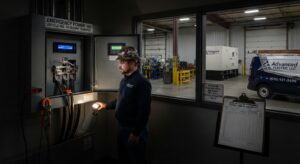
Emergency Systems:
- Emergency lighting in egress paths
- Exit signs with backup power
- Fire alarm systems with proper electrical connections
- Emergency generators for critical systems
Electrical Panel Requirements:
- Proper labeling of all circuits
- Adequate working space per NEC Article 110
- Appropriate panel ratings for electrical loads
- Ground fault and arc fault protection where required
Specialized Systems:
- Fire pump electrical connections
- Elevator electrical systems
- HVAC electrical requirements
- Data and communication system grounding
Outdoor Electrical Installations
Fond du Lac’s climate requires special attention to outdoor electrical installations:
Weatherproofing Requirements:
- All outdoor outlets must have weather-resistant covers
- Wiring methods suitable for wet locations
- Proper grounding of all outdoor equipment
- Protection from physical damage
Outdoor Lighting Standards:
- Appropriate fixture ratings for outdoor use
- Proper height and spacing for safety
- Light pollution considerations
- Energy efficiency requirements where applicable
Swimming Pool and Spa Electrical:
- Bonding of all metal components
- GFCI protection for all pool equipment
- Proper distances from water features
- Underwater lighting installations per NEC Article 680
The Inspection Process: What to Expect
Electrical inspections ensure that installed work meets code requirements and operates safely. Understanding the inspection process helps you prepare appropriately and avoid delays.
Types of Electrical Inspections
Fond du Lac requires different inspections based on project scope and complexity:
Rough-In Inspection:
- Conducted before walls are closed
- Inspects wiring installation, electrical boxes, and connections
- Verifies proper cable routing and protection
- Checks panel installation and grounding systems
- Must pass before insulation or drywall installation
Final Inspection:
- Performed after all electrical work is complete
- Tests all circuits, outlets, and fixtures
- Verifies GFCI and AFCI operation
- Checks proper labeling and device operation
- Required before electrical service can be energized
Specialized Inspections:
- Pool and spa electrical systems
- Generator installations
- Solar panel electrical connections
- Fire alarm system installations
Preparing for Electrical Inspections
Proper preparation ensures smooth inspections and reduces the likelihood of failures:
Before Rough-In Inspection:
- Ensure all wiring is complete and properly secured
- Verify electrical boxes are properly installed and sized
- Check that all connections are accessible for inspection
- Remove any debris from work areas
- Ensure adequate lighting for inspector visibility
Before Final Inspection:
- Install all fixtures, outlets, and switches
- Complete circuit labeling in electrical panels
- Test all GFCI and AFCI devices
- Ensure proper operation of all electrical components
- Have electrical drawings and permits available
Scheduling and Conducting Inspections
Fond du Lac requires advance notice for electrical inspections:
Scheduling Requirements:
- Call (920) 322-3570 at least 24 hours in advance
- Have your permit number ready when calling
- Specify the type of inspection needed
- Confirm the inspection address and time
During the Inspection:
- Be present or have a responsible party available
- Provide access to all areas requiring inspection
- Have permit documents and approved plans available
- Be prepared to answer questions about the installation
- Take notes on any issues identified for correction
Common Code Violations and How to Avoid Them
Understanding frequent code violations helps prevent delays and ensures safer electrical installations.
Frequent Residential Violations
Improper GFCI Installation:
- GFCI outlets installed upside down (line/load reversed)
- Missing GFCI protection in required locations
- GFCI circuits not properly tested before inspection
Inadequate Working Space:
- Insufficient clearance in front of electrical panels
- Storage items blocking electrical equipment access
- Panels installed in prohibited locations (bathrooms, closets)
Poor Wiring Practices:
- Inadequate wire support and cable protection
- Improper junction box installations
- Oversized circuits for wire gauge
- Missing wire nuts or improper connections
Commercial Installation Issues
Inadequate Documentation:
- Missing or incomplete electrical drawings
- Unlabeled circuits and equipment
- Incorrect equipment specifications on plans
Fire Separation Problems:
- Improper sealing of electrical penetrations
- Fire-rated assemblies compromised by electrical work
- Emergency systems not properly separated
Accessibility Violations:
- Working space requirements not met
- Electrical rooms used for storage
- Equipment not properly accessible for maintenance
Prevention Strategies
Plan Review Benefits:
- Early identification of potential code issues
- Clarification of requirements before installation
- Reduced inspection failures and project delays
Professional Consultation:
- Work with licensed electrical contractors familiar with local codes
- Consult with city inspectors during planning phases
- Attend pre-installation meetings for complex projects
Quality Control Measures:
- Implement internal inspection procedures
- Use code-compliant materials and methods
- Maintain current knowledge of code requirements
Special Considerations for Fond du Lac Properties
Local conditions and requirements in Fond du Lac create unique considerations for electrical installations.
Historic District Requirements
Fond du Lac’s historic districts may have additional requirements for electrical work:
Preservation Standards:
- Electrical installations must minimize impact on historic fabric
- Conduit routing may require special considerations
- Panel locations may be restricted to preserve architectural integrity
- Service entrance locations subject to additional review
Review Process:
- Historic preservation review may be required
- Additional documentation of existing conditions
- Coordination with historic preservation staff
- Extended review timelines for complex projects
Flood Zone Considerations
Parts of Fond du Lac are located in flood-prone areas, affecting electrical installations:
Elevated Requirements:
- Electrical equipment must be installed above base flood elevation
- Service entrances and panels require special placement
- Grounding systems must account for flood conditions
- Emergency disconnect requirements for flood-prone areas
Special Materials:
- Flood-resistant electrical equipment
- Proper sealing of electrical penetrations
- Corrosion-resistant materials and connections
Climate-Specific Requirements
Wisconsin’s harsh winters create special considerations for electrical installations:
Cold Weather Installations:
- Cable and conduit materials suitable for temperature extremes
- Proper sizing for thermal expansion and contraction
- Heating system electrical requirements
- Ice dam prevention and electrical considerations
Energy Efficiency:
- LED lighting requirements for certain applications
- Energy-efficient motor requirements
- Power factor correction considerations
- Renewable energy system integration
Working with Licensed Electrical Contractors
Choosing the right electrical contractor ensures code compliance and quality workmanship.
Wisconsin Licensing Requirements
Understanding contractor licensing helps you select qualified professionals:
Master Electrician License:
- Required to supervise electrical work
- 4-year license term with continuing education requirements
- Responsible for ensuring code compliance
- Can operate electrical contracting business
Journeyman Electrician License:
- Can perform electrical work under master electrician supervision
- 4-year license term with continuing education requirements
- Must work for licensed electrical contractor
- Cannot pull permits independently
Electrical Contractor Registration:
- Business license for electrical contracting companies
- Must employ or be operated by master electrician
- Required for permit applications
- Includes insurance and bonding requirements
Verifying Contractor Credentials
Before hiring an electrical contractor, verify their qualifications:
License Verification:
- Check Wisconsin DSPS license lookup system
- Verify current license status and expiration dates
- Confirm continuing education compliance
- Check for any disciplinary actions
Insurance and Bonding:
- Request certificates of liability insurance
- Verify workers’ compensation coverage
- Confirm bonding requirements are met
- Ensure coverage is current and adequate
Local Experience:
- Previous work in Fond du Lac
- Familiarity with local code requirements
- Relationships with local inspectors
- Knowledge of permit processes
Questions to Ask Potential Contractors
Licensing and Credentials:
- What is your Wisconsin master electrician license number?
- How long have you been licensed in Wisconsin?
- Are you familiar with Fond du Lac electrical codes?
- Do you carry appropriate insurance and bonding?
Project-Specific Questions:
- Have you completed similar projects in Fond du Lac?
- What permits will be required for this work?
- What is your typical inspection success rate?
- How do you handle code compliance issues?
Business Practices:
- Do you provide written estimates and contracts?
- What warranty do you provide on electrical work?
- How do you handle permit applications and inspections?
- What is your typical project timeline?
Recent Code Updates and Future Changes
Staying current with code changes ensures ongoing compliance and safety.
Wisconsin Code Update Status
Wisconsin’s electrical code adoption follows a deliberate review process:
Current Status:
- Wisconsin uses the 2017 NEC with state amendments
- Most states have moved to 2020 or 2023 NEC editions
- Wisconsin is evaluating newer code editions for future adoption
Anticipated Changes:
- Enhanced GFCI requirements
- Expanded AFCI protection
- Updated grounding and bonding requirements
- Energy efficiency standards
Emerging Technologies and Code Implications
New technologies are driving code updates:
Electric Vehicle Infrastructure:
- Charging station electrical requirements
- Load management systems
- Panel capacity considerations
- Future-proofing for EV adoption
Smart Home Technology:
- Low-voltage system integration
- Network infrastructure requirements
- Cybersecurity considerations for connected devices
- Power quality requirements for sensitive electronics
Renewable Energy Systems:
- Solar panel electrical connections
- Battery storage system requirements
- Grid interconnection standards
- Safety disconnect requirements
Staying Current with Code Changes
Professional Resources:
- Wisconsin DSPS notifications and updates
- National Fire Protection Association (NFPA) publications
- Industry trade publications and websites
- Professional continuing education courses
Local Updates:
- City of Fond du Lac website announcements
- Building Inspection Division notifications
- Contractor and inspector meetings
- Professional organization updates
Cost Considerations and Budgeting
Understanding electrical code compliance costs helps with project planning and budgeting.
Permit and Inspection Fees
Fond du Lac’s electrical permit fees are based on project value:
Fee Structure:
- Calculated as percentage of total project cost
- Includes both materials and labor costs
- Additional fees for plan review when required
- Re-inspection fees for failed inspections
Typical Fee Ranges:
- Simple residential work: $50-$200
- Major residential projects: $200-$500
- Commercial installations: $500-$2,000+
- Complex industrial projects: $2,000+
Code Compliance Costs
Meeting electrical codes may require additional expenses:
Safety Devices:
- GFCI outlets: $15-$30 each
- AFCI breakers: $40-$80 each
- Smoke detectors: $20-$50 each
- Carbon monoxide detectors: $30-$70 each
Professional Services:
- Electrical contractor markup: 15-25% above material costs
- Plan preparation: $500-$2,000 for complex projects
- Engineering consultation: $100-$200 per hour
- Code consulting: $75-$150 per hour
Long-Term Value Considerations
Code compliance provides long-term benefits that justify the investment:
Safety Benefits:
- Reduced fire and electrocution risks
- Insurance claim protection
- Peace of mind for occupants
- Legal liability protection
Financial Benefits:
- Increased property values
- Lower insurance premiums
- Reduced maintenance costs
- Energy efficiency savings
Marketability:
- Easier property sales
- Rental property advantages
- Commercial tenant attraction
- Professional credibility
Frequently Asked Questions
Q: Do I need a permit for replacing an electrical outlet? A: Generally yes, if you’re adding new wiring or circuits. Simple outlet replacement with existing wiring may not require a permit, but it’s best to check with the Building Inspection Division at (920) 322-3570.
Q: Can I do electrical work myself in Fond du Lac? A: Homeowners may perform electrical work on their primary residence if they obtain proper permits and pass inspections. However, you must physically reside at the property, and the work is limited to single-family homes.
Q: How long do electrical permits remain valid? A: Electrical permits typically remain valid for one year from issuance. Extensions may be available for complex projects that cannot be completed within the initial timeframe.
Q: What happens if electrical work fails inspection? A: You’ll receive a list of violations that must be corrected before re-inspection. Additional inspection fees may apply for re-inspections.
Q: Are there special requirements for electrical work in older homes? A: Older homes may have additional challenges meeting current codes. While you’re not required to upgrade existing compliant work, any new installations must meet current code requirements.
Q: How do I find a qualified electrical contractor in Fond du Lac? A: Verify licenses through the Wisconsin DSPS website, check local references, and ensure they’re familiar with Fond du Lac’s specific requirements.
Q: What should I do if I suspect unpermitted electrical work? A: Contact the Building Inspection Division. Unpermitted work may need to be brought up to code and properly inspected, potentially requiring permit applications after the fact.
Q: Do electrical codes apply to temporary installations? A: Yes, temporary electrical installations for construction, events, or other purposes must still meet applicable safety codes and may require permits and inspections.
Conclusion: Ensuring Safe and Compliant Electrical Work
Understanding Fond du Lac’s electrical codes is essential for any electrical project in the city. The combination of national standards, Wisconsin state requirements, and local ordinances creates a comprehensive framework designed to protect property and lives.
The key to successful electrical projects lies in early consultation with qualified professionals, proper permit applications, and diligent attention to code requirements throughout the installation process. Whether you’re a homeowner planning a simple outlet addition or a contractor managing a complex commercial installation, compliance with electrical codes ensures safety, legal protection, and long-term value.
Remember that electrical codes exist primarily for safety—they represent lessons learned from decades of electrical incidents and represent the minimum standards for safe electrical installations. While navigating these requirements may seem complex, the investment in proper code compliance pays dividends in safety, reliability, and peace of mind.
For any questions about Fond du Lac’s electrical codes or specific project requirements, don’t hesitate to contact the Building Inspection Division at +1 920-921-2499. Their expertise can help ensure your electrical project meets all requirements and contributes to the safety of your property and community.
When in doubt, consult with licensed electrical professionals who understand both the technical requirements and local nuances of electrical code compliance in Fond du Lac. Their expertise can save time, money, and ensure that your electrical work meets the highest standards of safety and quality.