Ever wonder why sometimes your internet feels like it’s stuck in slow motion, especially when your business really needs to pick up the pace? It’s a common problem, and often, the real culprit isn’t your internet provider but the mess of wires behind your walls. We’re talking about something called Structured Cabling.
It might sound a bit technical, but it’s actually pretty simple and super important for keeping your business online and running fast. Think of it as the nervous system for your company’s internet. Let’s dig into why having a good Structured Cabling setup is a game-changer for any business wanting quick and reliable internet.
Key Takeaways
- Structured Cabling is a smart, organized way to set up your business’s network wiring, making everything run smoother.
- It helps your internet stay fast and reliable, which means less waiting around and more getting things done.
- Unlike Wi-Fi, Structured Cabling offers a more stable and secure connection, especially for important tasks.
- There are different kinds of Structured Cabling, like fiber optics, that can handle a lot of data and are good for the future.
- While you can try to do it yourself, getting pros to install Structured Cabling usually saves you headaches and money down the road.
What is Structured Cabling?

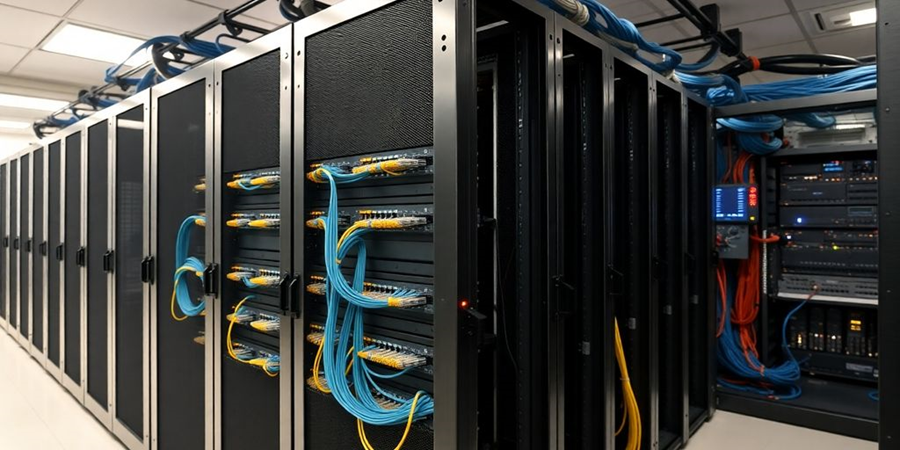
Okay, so you’ve probably heard the term “structured cabling” thrown around, especially if you’re involved in IT or managing a business. But what is it, really? Think of it as the organized nervous system of your entire network. Instead of a tangled mess of wires, structured cabling is a standardized approach to cabling infrastructure.
It’s a system of cables and hardware that creates a neat, organized, and efficient network for your business.
Structured cabling isn’t just about making things look pretty (though that’s a nice bonus!). It’s about creating a reliable, scalable, and manageable network that can handle all your data, voice, and video needs.
Structured cabling offers a ton of benefits:
- Organization: Everything is neatly labeled and documented, making it easy to troubleshoot and manage.
- Scalability: You can easily add or remove devices without disrupting the entire network.
- Reliability: Properly installed and maintained structured cabling reduces downtime and ensures consistent performance.
Why Businesses Need Structured Cabling for Fast Internet: Key Benefits
Structured cabling offers a multitude of advantages for businesses seeking reliable and high-speed internet connectivity. It’s more than just tidying up wires; it’s about building a robust foundation for your entire network infrastructure. Let’s explore some key benefits:
- Increased Bandwidth and Speed: Structured cabling, especially when using fiber optic cables, provides significantly higher bandwidth compared to older cabling systems.
- Reduced Downtime: A well-organized, structured cabling system makes troubleshooting and maintenance much easier. This means faster problem resolution and reduced downtime, minimizing disruptions to business operations.
- Improved Reliability: Structured cabling uses high-quality components and standardized installation practices, resulting in a more reliable network.
- Enhanced Scalability: As your business grows, your network needs to grow with it. Structured cabling systems are designed to be scalable, making it easy to add new devices or expand your network without major disruptions.
- Better Organization and Aesthetics: Say goodbye to tangled messes of wires! Structured cabling creates a clean and organized server room or network closet.
Consider the unique electrical challenges Fond du Lac businesses face; structured cabling can help mitigate some of those challenges by providing a stable and reliable network infrastructure. It’s about more than just fast internet; it’s about building a solid foundation for growth and success.
Structured Cabling vs Wi-Fi Networks in Businesses

It’s a common question: Should businesses rely on structured cabling or Wi-Fi? Both have their place, but understanding the differences is key to making the right choice for your specific needs. Wi-Fi offers flexibility, while structured cabling provides a more robust and reliable connection. Let’s break down the pros and cons.
Performance and Reliability
Structured cabling generally offers superior performance and reliability compared to Wi-Fi. Think of it like this: Wi-Fi is like trying to have a conversation in a crowded room, while structured cabling is like having a private phone line. With Wi-Fi flexibility, you might experience interference, slower speeds, and dropped connections, especially when many devices are connected.
Speed and Bandwidth
When it comes to speed and bandwidth, structured cabling typically wins. Ethernet cables used in structured cabling systems can support much higher data transfer rates than Wi-Fi. This is especially important for businesses that rely on bandwidth-intensive applications like video conferencing, large file transfers, or cloud-based services.
Security
Security is another area where structured cabling often has an edge. Wired connections are inherently more secure than wireless connections because they require physical access to the network. Wi-Fi networks can be vulnerable to hacking and eavesdropping if not properly secured.
Cost
The initial cost of setting up a structured cabling system can be higher than setting up a Wi-Fi network. This is because it involves running cables throughout the building and installing the necessary hardware. However, the long-term costs of Wi-Fi can add up due to the need for more access points, ongoing maintenance, and potential security vulnerabilities.
Flexibility and Scalability
Wi-Fi excels in flexibility. It allows users to connect to the network from anywhere within range of the wireless signal. This is ideal for mobile devices and employees who move around the office. Structured cabling, on the other hand, requires users to be physically connected to a network port. However, structured cabling systems can be easily scaled to accommodate new users and devices.
Here’s a quick comparison table:
| Feature | Structured Cabling | Wi-Fi |
| Performance | Excellent | Good (variable) |
| Reliability | High | Medium |
| Speed | High | Medium (variable) |
| Security | High | Medium (requires setup) |
| Initial Cost | Higher | Lower |
| Long-Term Cost | Lower | Higher |
| Flexibility | Lower | Higher |
| Scalability | Good | Good |
Types of Structured Cabling for Fast Internet
The right choice depends on your business needs, budget, and future growth plans. Let’s explore some common options:
Ethernet Cabling
Ethernet cabling is the most common type used in LAN cabling. It’s relatively inexpensive and easy to install, making it a popular choice for many businesses. Different categories of Ethernet cables exist, such as Cat5e, Cat6, Cat6a, and Cat7, each offering increasing levels of performance and bandwidth.
- Cat5e: Supports speeds up to 1 Gbps, suitable for basic office needs.
- Cat6: Supports speeds up to 10 Gbps at shorter distances, better for more demanding applications.
- Cat6a: Supports 10 Gbps over longer distances and has better shielding, reducing interference.
- Cat7: Offers even better shielding and supports higher frequencies, ideal for environments with high electromagnetic interference.
Fiber Optic Cabling
Fiber optic cabling uses light to transmit data, offering significantly higher bandwidth and longer distances compared to Ethernet. It’s more expensive but provides superior performance, especially for businesses that need to transfer large amounts of data or have long cable runs. Fiber is also less susceptible to interference.
- Single-mode fiber: Used for long-distance transmissions, common in wide area networks (WANs).
- Multi-mode fiber: Used for shorter distances, suitable for connecting devices within a building.
Coaxial Cabling
While less common in modern network design, coaxial cabling is still used in some applications, particularly for connecting antennas or older equipment. It offers good shielding and can transmit data over moderate distances.
Considerations for Choosing Cabling Types
When selecting cabling, consider these factors:
- Bandwidth requirements: How much data do you need to transmit?
- Distance: How far do the cables need to run?
- Budget: How much can you afford to spend?
- Future needs: Will your bandwidth requirements increase in the future?
- PoE (Power over Ethernet): Do you need to power devices over the network cables?
Choosing the right type of structured cabling is a critical decision that impacts your network’s performance and reliability. Consider consulting with a professional to assess your specific needs and recommend the best solution.
Advanced Electric LLC specializes in structured cabling to streamline your connectivity with neat, organized, and efficient installations. Our team builds strong, scalable systems that support internet, phone, and data networks with ease. Whether it’s a new setup or an upgrade, we make sure everything runs smoothly behind the scenes, so your technology works as it should.
Planning a Structured Cabling System for Your Business
So, you’re thinking about getting structured cabling for your business? Smart move! But before you dive in, you need a plan. It’s not just about running cables; it’s about setting up a system that will work for you now and in the future. Here’s what to consider:
Assessing Your Current and Future Needs
First things first, figure out what you need. How many devices will you be connecting? What kind of bandwidth do you require? This will help you determine the scope of your structured cabling project.
Choosing the Right Components
There are a lot of different cables, connectors, and patch panels out there. It can be overwhelming! Consider things like cable category (Cat6, Cat6a, etc.), shielding, and connector types. Don’t just go for the cheapest option; invest in quality components that will last.
Designing the Layout
A well-designed layout will make it easier to manage and maintain your cabling system. Consider these points:
- Minimize cable lengths to reduce signal degradation.
- Keep cables away from sources of electromagnetic interference (EMI), like power lines and fluorescent lights.
- Use cable management solutions to keep everything neat and organized.
Budget Considerations
Structured cabling can be a significant investment, so it’s important to set a budget. Get quotes from multiple vendors and compare prices. Don’t forget to factor in the cost of labor, materials, and ongoing maintenance. Remember, effective planning is key to staying within budget.
Documentation
This is something people often overlook, but it’s super important. Keep detailed records of your cabling system, including cable routes, termination points, and patch panel assignments. Good documentation is essential for the long-term manageability of your business data cabling.
DIY vs Professional Structured Cabling Installation
So, you’re thinking about setting up structured cabling for your business. Great! But now comes the big question: should you do it yourself, or hire a professional? Both options have their pros and cons, and the right choice really depends on your specific situation.
DIY Structured Cabling: The Appeal and the Pitfalls
The DIY route can seem attractive, especially if you’re trying to save money. You might think, “Hey, I can watch some videos and figure it out.” The biggest appeal of DIY is cost savings, but that can quickly disappear if you make mistakes. Here’s what you need to consider:
- Time Commitment: Installing structured cabling takes time, especially if you’re learning as you go. Can you afford to dedicate the necessary hours without impacting your business operations?
- Skill Level: Do you have experience with low-voltage wiring, cable termination, and network testing? If not, you’ll need to learn these skills, which takes even more time.
- Tools and Equipment: You’ll need specialized tools like cable testers, crimpers, and punch-down tools. Buying these can add up.
- Potential for Errors: Incorrectly installed cabling can lead to performance issues, network downtime, and even safety hazards.
Professional Structured Cabling: Expertise and Peace of Mind
Hiring a professional structured cabling installer comes with a higher upfront cost, but it can save you money and headaches in the long run. Here’s why:
- Expertise and Experience: Professionals have the knowledge and experience to design and install a cabling system that meets your specific needs and industry standards.
- Proper Tools and Equipment: They have all the necessary tools and equipment, so you don’t have to invest in them yourself.
- Warranty and Support: Most professional installers offer warranties on their work, so you’re protected if something goes wrong.
- Reduced Downtime: Professionals can install the cabling quickly and efficiently, minimizing disruption to your business.
- Compliance and Safety: They ensure that the installation meets all relevant codes and safety regulations.
Cost of Structured Cabling for Businesses

Okay, let’s talk money. Figuring out the cost of structured cabling can feel like a headache, but it’s important to understand what you’re paying for and how it benefits your business in the long run. It’s not just about the initial price tag; it’s about the return on investment.
Initial Investment: Breaking Down the Costs
So, what goes into the initial cost? Well, there are a few key things to consider:
- Materials: This includes the cables themselves (Cat6, Cat6a, fiber optic, etc.), connectors, patch panels, racks, and other hardware. The type and amount of materials will depend on the size of your office and your bandwidth needs.
- Labor: This is the cost of hiring a professional structured cabling installation company to design and install the system. Labor costs can vary depending on the complexity of the project and the location of your business.
- Design and Planning: Some companies charge extra for the initial design and planning phase. This involves assessing your current and future needs, creating a detailed cabling plan, and ensuring that the system meets industry standards.
Long-Term Savings and ROI
Don’t just focus on the upfront costs. Think about the long-term savings you’ll get from a well-designed, structured cabling system. A reliable network reduces downtime, increases productivity, and supports future growth.
Investing in structured cabling is like investing in the foundation of your business’s technology infrastructure. It might seem expensive at first, but it pays off in the long run by providing a stable, scalable, and efficient network.
Factors Affecting the Overall Cost
Several things can impact the final price of your structured cabling project:
- Size of the Office: Larger offices require more materials and labor, which increases the cost.
- Complexity of the Design: Complex designs with multiple network closets or challenging cable runs will be more expensive.
- Type of Cabling: Fiber optic cabling is generally more expensive than copper cabling.
- Location: Labor costs can vary depending on your location.
- Future Needs: Planning for future growth and bandwidth needs can increase the initial cost, but it can save you money in the long run by avoiding costly upgrades later on.
Getting an Accurate Estimate
The best way to get an accurate estimate is to contact a few different cabling companies and get quotes. Be sure to provide them with as much information as possible about your needs and requirements. Ask for a detailed breakdown of the costs, including materials, labor, and design fees. Don’t be afraid to ask questions and negotiate the price.
Maintenance and Best Practices for Structured Cabling
Maintaining structured cabling is not a one-time task but an ongoing process. Regular inspections, proper cable management, and adherence to industry standards are key to ensuring optimal performance and longevity of your network infrastructure.
Here are some key areas to focus on:
- Regular Inspections: Check your cables, connectors, and patch panel for any signs of damage or wear. Look for frayed cables, loose connections, or corroded connectors. Addressing these issues early can prevent bigger problems down the road.
- Proper Cable Management: Keep your cables organized and neatly bundled. Use cable ties, labels, and other management tools to prevent tangling and make it easier to trace cables when troubleshooting. Good cable management also makes it easier to add or remove cables as needed.
- Environmental Control: Keep your server room or data closet clean and free of dust and debris. Maintain a consistent temperature and humidity level to prevent damage to your equipment. Excessive heat or moisture can shorten the lifespan of your cables and connectors.
A well-maintained, structured cabling system is a long-term investment in your business’s success.
Wrapping It Up
So, there you have it. Structured cabling might not be the flashiest thing you’ll talk about today, but it’s super important for any business that wants fast, reliable internet. Think of it as the quiet backbone of your whole operation. When your network is set up right, you get better speeds, and fewer headaches, and your business can grow without hitting a wall. It just makes everything run smoother, and honestly, who doesn’t want that? Investing in good cabling now can save you a ton of trouble and money down the road. It’s a smart move for today and for whatever comes next.
Advanced Electric LLC provides expert structured cabling services that simplify connections and organize your entire setup. We design and install neat, scalable systems that handle your data, voice, and video needs without the clutter. Whether it’s a home office or a growing business, our team ensures your network stays clean and reliable. Say goodbye to messy cables and hello to smooth performance.
Call us today for organized wiring!
Related reading: Learn more about security system installation in Fond du Lac.
Frequently Asked Questions
What exactly is structured cabling?
Structured cabling is like the organized nervous system for your business’s internet and communication. Instead of a messy tangle of wires, it’s a neat, planned setup of cables and parts that makes sure all your devices can talk to each other quickly and reliably.
Why do businesses need structured cabling for fast internet?
It’s super important! Imagine trying to drive a race car on a bumpy dirt road. That’s what outdated wiring is like for your fast internet. Structured cabling gives your internet a smooth, multi-lane highway, making sure you get the speeds you pay for and your business runs without annoying slowdowns.
How does structured cabling compare to Wi-Fi for businesses?
While Wi-Fi is great for flexibility, structured cabling (wired connections) offers unmatched speed, reliability, and security. Wi-Fi can be slower and drop out more often, especially with many users.