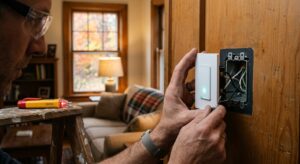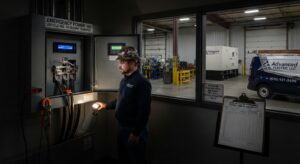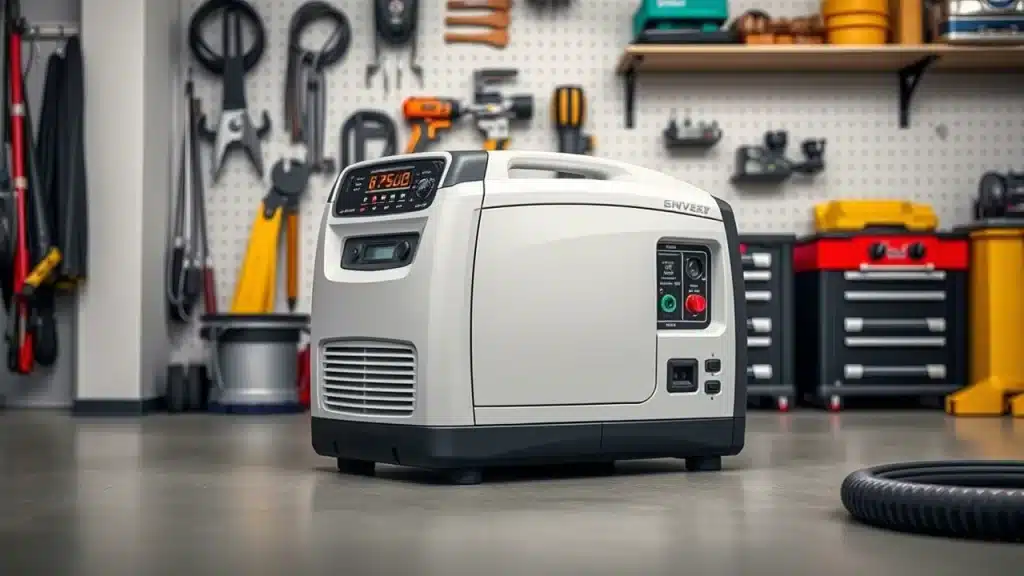
Thinking about getting a backup generator in Wisconsin? Whether your lights dim when the microwave turns on or your circuit breaker trips too often, these issues could be signs your home’s power setup needs attention. Your electrical system plays a major role in home safety and comfort. If you’re unsure, check out 7 Signs Your Home Electrical System Needs an Upgrade to see if your setup is holding you back. That’s why investing in the right backup generator Wisconsin homeowners can trust is essential. This guide will walk you through everything you need to know to make a smart choice in 2025.
What Is a Backup Generator and Why Do You Need One?
A backup generator is an electrical system that automatically or manually provides power to your home when the main electrical grid fails. In Wisconsin, where severe weather events like ice storms, tornadoes, and blizzards regularly cause extended power outages, a backup generator isn’t just a convenience—it’s essential protection for your family’s safety and comfort.
Here’s what you need to understand: backup generators come in two main categories. Portable generators offer flexibility and lower upfront costs, typically ranging from $1,500 to $5,000. Standby generators provide automatic, whole-home power with total installation costs between $8,000 and $16,000, but they deliver unmatched convenience and reliability.
The technology behind backup generators has evolved significantly. Modern units feature advanced safety systems, quiet operation, and smart monitoring capabilities that allow remote management through smartphone apps. This evolution makes today’s generators more reliable and user-friendly than ever before.
Types of Backup Generators: Understanding Your Options
Portable Generators: Flexibility and Affordability
Portable generators are wheeled units that can be moved around your property and stored when not in use. These generators typically produce 3,000 to 15,000 watts of power, making them suitable for powering essential appliances during outages.
Key Advantages:
- Lower upfront cost ($800-$5,000)
- Can be used for camping, job sites, and emergencies
- No permanent installation required
- Easy to store when not in use
Important Considerations:
- Manual setup during outages
- Requires fuel storage (gasoline, propane, or dual-fuel)
- Must be operated outdoors only due to carbon monoxide risk
- Limited runtime based on fuel tank capacity
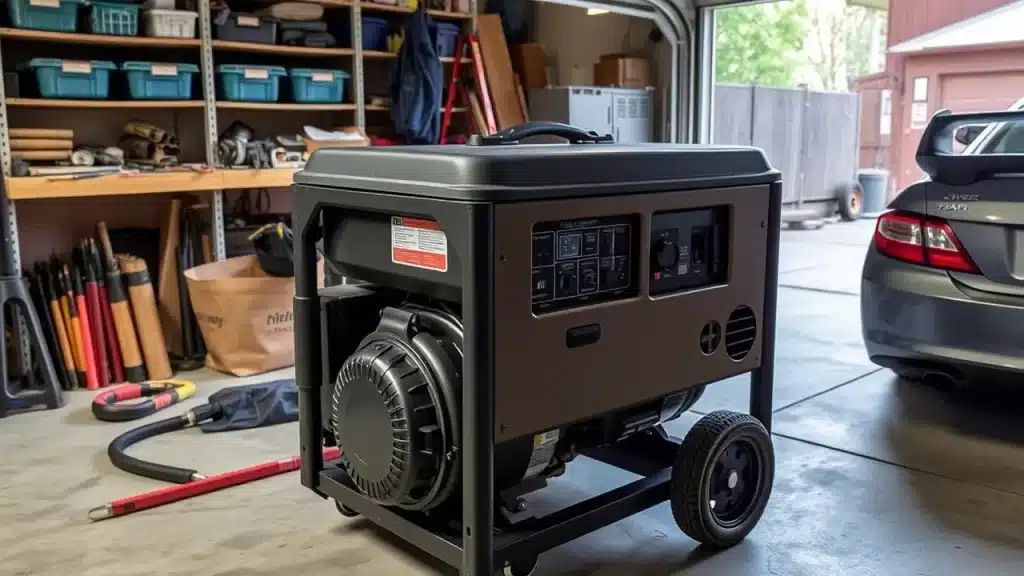
Large portable generators that produce at least 7,000 watts are a popular option because they are relatively cheap, versatile, and can effectively power essential home systems during emergencies.
Standby Generators: Ultimate Convenience and Power
Home standby generators are permanently installed generators designed to automatically take over for your house power in the event of an outage. These systems typically range from 10kW to 48kW and can power your entire home or selected circuits based on your needs.
Key Advantages:
- Automatic operation—no manual startup required
- Whole-home power capability
- Runs on natural gas or propane with unlimited fuel supply
- Quieter operation than portable units
- Adds resale value to your property
Important Considerations:
- Higher upfront investment ($8,000-$16,000 installed)
- Requires professional installation and permits
- Regular maintenance needed (annual service)
- Permanent outdoor installation requirement
Standby generators are expensive, but they’re the gold standard in backup power, and they outperform all other types of generators in reliability ratings.
Inverter Generators: Clean Power for Sensitive Electronics
Inverter generators represent advanced portable technology that produces stable, clean power suitable for sensitive electronics like computers, smartphones, and medical equipment.
Key Features:
- Clean sine wave power output
- Fuel-efficient operation
- Quieter than conventional portable generators
- Compact, lightweight design
Best For:
- Homes with sensitive electronic equipment
- Situations requiring quiet operation
- Extended runtime on smaller loads
Generator Sizing: How Much Power Do You Actually Need?
Choosing the right generator size is critical because it ensures that all of your necessary appliances will work properly during an emergency. An undersized generator won’t power your essential needs, while an oversized unit wastes money and fuel.
Step-by-Step Sizing Process
Step 1: List Your Essential Appliances
Start by identifying what you absolutely need during a power outage:
- Refrigerator and freezer
- Essential lighting
- Heating/cooling system
- Well pump (if applicable)
- Medical equipment
- Communication devices
Step 2: Calculate Power Requirements
Here are typical wattage requirements for common household appliances:
| Appliance | Running Watts | Starting Watts |
| Refrigerator | 700 | 2,200 |
| Furnace Blower | 800 | 2,400 |
| Sump Pump | 800 | 2,400 |
| Window AC (10,000 BTU) | 1,200 | 3,600 |
| Well Pump (1/2 HP) | 1,000 | 3,000 |
| LED Lights (10 bulbs) | 100 | 100 |
| Coffee Maker | 1,500 | 1,500 |
Step 3: Apply the Sizing Formula
Add together each item’s running watts. Then, to roughly account for starting wattage, add the single-highest starting watts figure to the total. Multiply that figure by at least 1.25 to provide a safety margin.
Example Calculation:
- Total running watts: 5,100W
- Highest starting watts: 3,600W (AC unit)
- Subtotal: 8,700W
- Safety margin (×1.25): 10,875W
- Recommended generator size: 11,000W minimum
Generator Size Categories
Small Generators (3,000-7,000W) Best for powering a few essential appliances like refrigerator, lights, and small electronics. Suitable for apartments or minimal backup needs.
Medium Generators (7,000-15,000W) Can power most essential home systems including heating/cooling, well pumps, and multiple appliances. Ideal for average-sized homes with selective power needs.
Large Generators (15,000W+) Capable of whole-home backup power, including central air conditioning, electric water heaters, and all major appliances simultaneously.
Most whole-home generators start at the 10kW (10,000 watts) range up to 150kW for the most massive homes, though typical Wisconsin homes require 16-22kW for complete backup power.
Fuel Types: Choosing Your Power Source
The fuel type you choose affects your generator’s cost, convenience, runtime, and maintenance requirements. Each option has distinct advantages and considerations.
Natural Gas: The Convenient Choice
Natural gas generators connect directly to your home’s existing gas line, providing unlimited fuel supply during outages.
Advantages:
- Unlimited fuel supply (as long as gas service continues)
- No fuel storage required
- Clean burning with lower emissions
- Automatic operation capability
- Lower fuel costs over time
Considerations:
- Requires existing natural gas service
- Gas lines may be affected during severe disasters
- Professional installation mandatory
- Limited to stationary installations
Propane (LP): Reliable and Clean
Propane generators use liquid propane stored in tanks ranging from portable 20-pound cylinders to large stationary tanks.
Advantages:
- Long-term fuel storage capability (propane doesn’t degrade)
- Available even in remote locations
- Clean burning with minimal residue
- Reliable cold-weather starting
- Can be used with portable or standby generators
Considerations:
- Requires fuel tank installation and periodic refilling
- Higher fuel costs than natural gas
- Tank size limits runtime
- Professional installation recommended for large tanks
Gasoline: Widely Available but High Maintenance
Gasoline generators are common among portable units due to fuel availability and lower equipment costs.
Advantages:
- Fuel readily available at gas stations
- Lower initial equipment cost
- Familiar fuel type for most homeowners
Considerations:
- Requires fuel storage with stabilizers
- Fuel degrades over time
- More maintenance intensive
- Higher emissions and residue
- Fire hazard with stored fuel
Dual-Fuel and Tri-Fuel: Maximum Flexibility
Modern generators increasingly offer multiple fuel options, typically combining gasoline with propane or natural gas.
Benefits:
- Fuel flexibility during shortages
- Extended runtime options
- Optimized efficiency for different situations
- Reduced maintenance with cleaner-burning propane option
Wisconsin Installation Requirements and Permits
Wisconsin has specific requirements for generator installations that vary by municipality. Understanding these requirements ensures safe, compliant installation and protects your investment.
State and Local Code Requirements
Wisconsin generator installations must comply with Chapter SPS 316 of the Wisconsin Administrative Code and the National Electrical Code. Key requirements include:
Electrical Permits:
- Required for all permanent generator installations
- Transfer switch installations require electrical permits
- Professional electrician installation mandatory for code compliance
Location Requirements:
- Minimum clearances from windows, doors, and air intakes
- Level, well-drained installation pad
- Accessible for maintenance and fuel connections
- Compliance with local noise ordinances
Safety Features:
- Automatic transfer switch with interlock device
- Ground fault circuit interrupter (GFCI) protection where required
- Proper grounding and bonding
- Manufacturer-approved installation methods
Permit Process and Costs
Before installing a home generator, you must obtain a local government permit. The permit ensures that your installation meets all the requirements in your state or city’s building codes.
Typical Permit Requirements:
- Site plan showing generator location
- Electrical load calculations
- Fuel supply plans and connections
- Professional installation contractor information
Cost Expectations:
- Electrical permits: $50-$200
- Gas line permits (if needed): $25-$100
- Inspection fees: $50-$150
- Total permit costs typically range from $125-$450
A trusted electrician can help you navigate the permit process and ensure your installation complies with all necessary regulations.
Cost Analysis: Budgeting for Your Backup Power Investment
Understanding the complete cost picture helps you make an informed decision about which generator type and size best fits your budget and needs.
Portable Generator Costs
Equipment Costs:
- Small portable (3,000-7,000W): $500-$1,500
- Large portable (8,000-15,000W): $1,200-$4,000
- Premium inverter models: $2,000-$6,000
Installation and Setup Costs:
- Manual transfer switch: $500-$1,200
- Professional installation: $300-$800
- Electrical permit: $50-$200
Total Investment Range: $1,350-$6,200
Standby Generator Costs
Equipment Costs by Size:
- 10-16kW air-cooled: $3,500-$5,500
- 17-22kW air-cooled: $4,500-$7,000
- 20-48kW liquid-cooled: $6,000-$15,000
Installation Costs:
- Electrical work and transfer switch: $1,500-$4,000
- Concrete pad: $500-$1,000
- Gas line connection: $300-$1,500
- Permits and inspections: $200-$600
Total Investment Range: $8,000-$22,000
The average cost to install a whole-home generator in Wisconsin typically ranges from $7,000 to $13,000, with factors like generator size, home location and installation complexity influencing the final price.
Long-Term Costs and Maintenance
Annual Maintenance:
- Professional service visit: $200-$400
- Oil changes and filter replacements: $50-$150
- Spark plug replacement: $25-$75
- Battery replacement (every 3-4 years): $50-$200
Fuel Costs:
- Natural gas: $1.50-$3.00 per hour of operation
- Propane: $3.00-$6.00 per hour of operation
- Gasoline: $4.00-$8.00 per hour of operation
Total Annual Maintenance Budget: $300-$600
Plan on professional maintenance once a year. With regular service, a quality standby generator can run for 30 to 50 years—or roughly 3,000 hours of standby power.
Safety Considerations: Protecting Your Family
Generator safety is paramount, as improper installation or operation can lead to carbon monoxide poisoning, electrical hazards, or fire risks.
Carbon Monoxide Prevention
Carbon monoxide (CO) is an invisible, odorless gas that can be deadly. All generators produce CO during operation.
Critical Safety Rules:
- Never operate generators indoors, including garages, basements, or enclosed patios
- Maintain minimum 20-foot distance from windows, doors, and air intakes
- Install battery-powered CO detectors in your home
- Never use generators in rain without proper shelter
Electrical Safety
Proper electrical connections prevent electrocution, fires, and damage to your home’s electrical system.
Essential Practices:
- Use only manufacturer-approved transfer switches
- Never back-feed power through outlets
- Ensure proper grounding of all equipment
- Use appropriate gauge extension cords for portable units
- Keep electrical connections dry and protected
Fuel Safety
Each fuel type presents specific safety considerations that require attention.
Storage Guidelines:
- Store gasoline in approved containers, maximum 5 gallons
- Keep propane tanks upright and secure
- Check for gas leaks regularly using soapy water
- Maintain proper ventilation around fuel storage areas
Professional Installation vs. DIY: Making the Right Choice
While some generator setups can be handled by skilled homeowners, many installations require professional expertise for safety, code compliance, and warranty protection.
When Professional Installation Is Required
Standby Generators:
- All permanent installations require licensed electricians
- Gas line connections need certified technicians
- Permit applications often require professional contractor information
- Warranty protection typically requires professional installation
Transfer Switch Installation:
- Direct connection to electrical panel requires licensed electrician
- Code compliance ensures safe operation
- Proper sizing and setup prevents electrical hazards
DIY-Friendly Options
Basic Portable Generator Setup:
- Simple cord and plug connections for individual appliances
- Proper outdoor placement and ventilation
- Basic maintenance like oil changes and air filter replacement
Important Limitations: Even DIY setups benefit from professional consultation to ensure proper sizing, safe operation, and code compliance.
Wisconsin-Specific Considerations
Living in Wisconsin presents unique challenges and opportunities for backup power systems.
Weather-Related Power Outages
Wisconsin experiences diverse weather events that commonly cause power outages:
Winter Storms and Ice:
- Heavy snow and ice accumulation on power lines
- Extended outages during heating season
- Critical need for heating system backup
- Cold weather affects generator performance
Severe Thunderstorms:
- High winds causing tree damage to power lines
- Lightning strikes affecting electrical equipment
- Summer cooling needs during outages
Tornado Activity:
- Widespread power infrastructure damage
- Extended restoration times in affected areas
- Emergency communication needs
Cold Weather Generator Performance
Wisconsin’s harsh winters require special consideration for generator operation:
Cold Weather Features:
- Engine block heaters for reliable starting
- Battery warmers to maintain starting power
- Cold weather oil for proper lubrication
- Enclosed installations for weather protection
Maintenance Considerations:
- More frequent battery testing in cold weather
- Proper fuel storage to prevent gelling
- Regular exercise cycles to maintain readiness
Utility Programs and Incentives
Some Wisconsin utilities offer programs that can offset generator costs or provide operational benefits:
Demand Response Programs:
- Potential payments for allowing utility control during peak demand
- Reduced electricity rates for participants
- Grid stability benefits for your community
Backup Power Incentives:
- Check with local utilities for available rebates
- Energy efficiency programs may apply to certain generator types
- Storm hardening initiatives may provide cost assistance
Maintenance and Service: Protecting Your Investment
Regular maintenance is essential for reliable generator operation when you need it most. Proper care extends equipment life and prevents costly failures during emergencies.
Routine Maintenance Schedule
Monthly Tasks:
- Visual inspection for leaks, damage, or obstructions
- Test run for 15-30 minutes under load
- Check oil level and condition
- Verify battery charge and connections
Quarterly Tasks:
- Change oil and oil filter (or per manufacturer schedule)
- Replace air filter as needed
- Test automatic transfer switch operation
- Clean generator exterior and air intakes
Annual Professional Service: Professional generator maintenance is recommended annually. A licensed generator technician will perform several tasks to keep your generator in good condition and inspect for any issues.
Comprehensive Annual Service Includes:
- Complete engine inspection and tune-up
- Cooling system service and testing
- Electrical system inspection and testing
- Load bank testing under full capacity
- Software updates and calibration
- Safety system verification
Professional Service Costs:
- Air-cooled generators: $200-$400 annually
- Liquid-cooled generators: $300-$600 annually
- Emergency service calls: $200-$500
Common Maintenance Issues
Battery Problems: Generator batteries typically last 3-4 years and are critical for automatic starting. Regular testing and timely replacement prevent starting failures.
Fuel System Issues:
- Gasoline degradation requiring fuel stabilizers
- Propane regulator problems affecting gas flow
- Natural gas line pressure issues
Cooling System Maintenance: Liquid-cooled generators require periodic coolant changes and system flushing to prevent overheating and corrosion.
Choosing the Right Electrical Contractor
Selecting qualified professionals for your generator installation ensures safety, code compliance, and optimal performance.
Qualifications to Look For
Essential Credentials:
- Wisconsin licensed electrician certification
- Generator manufacturer training and certification
- Liability insurance and bonding
- Local permit experience and relationships
Experience Factors:
- Documented generator installation experience
- Knowledge of local code requirements
- References from recent installations
- Understanding of Wisconsin utility requirements
Questions to Ask Potential Contractors
Technical Capabilities:
- What generator brands do you recommend and why?
- How do you determine proper generator sizing?
- What transfer switch options do you recommend?
- How do you handle permit applications and inspections?
Service and Support:
- Do you provide ongoing maintenance services?
- What warranties do you offer on installation work?
- How quickly can you respond to service calls?
- Do you stock common replacement parts?
Cost and Timeline:
- Can you provide detailed written estimates?
- What permits are required and who obtains them?
- How long does installation typically take?
- Are there seasonal considerations for installation timing?
Making Your Final Decision
Choosing the right backup generator involves balancing your power needs, budget, and lifestyle preferences. Here’s a framework for making the best decision for your Wisconsin home.
Decision Matrix: Portable vs. Standby
Choose Portable If:
- Budget is primary concern (under $5,000 total investment)
- Power outages are infrequent (less than 3 times per year)
- You need generator flexibility for other uses
- You don’t mind manual operation during outages
- Essential power needs are limited
Choose Standby If:
- Convenience and automation are priorities
- Frequent or extended outages are common
- You have medical equipment or special needs
- Whole-home power is desired
- Budget allows $8,000+ investment
Sizing Decision Guide
For Essential Power Only (7-12kW):
- Refrigeration and freezer
- Essential lighting
- Communication devices
- Well pump or sump pump
- Minimal heating/cooling
For Comfortable Power (13-20kW):
- All essential systems plus
- Heating and cooling systems
- Water heater
- Most household appliances
- Multiple circuits throughout house
For Whole-Home Power (22kW+):
- Complete home electrical system
- Central air conditioning
- Electric vehicle charging
- Pool equipment
- All convenience appliances
Frequently Asked Questions
How long can a backup generator run continuously? Portable generators typically run 8-20 hours on a single fuel tank, while standby generators connected to natural gas can run indefinitely. Most manufacturers recommend limiting continuous operation to 500 hours or less for optimal longevity.
Do I need a permit to install a generator in Wisconsin? Yes, permanent generator installations and transfer switch connections require electrical permits in Wisconsin. Portable generators used with extension cords typically don’t require permits, but transfer switch installations do.
How much does it cost to operate a generator? Operating costs depend on fuel type and generator size. Natural gas costs approximately $2-4 per hour, propane $4-8 per hour, and gasoline $6-12 per hour for typical residential generators.
Can I install a generator myself? Simple portable generator setups with extension cords can be DIY projects. However, transfer switch installations, permanent generator mounting, and fuel line connections require professional installation to ensure safety and code compliance.
How often should I run my generator? Most manufacturers recommend exercising generators monthly for 15-30 minutes under load to keep internal components lubricated and ensure reliable starting. Standby generators typically have automatic exercise cycles built-in.
What size generator do I need for a 2,000 square foot house? A 2,000 square foot house typically requires 16-20kW for whole-home backup power, or 10-12kW for essential systems only. The exact size depends on your specific appliances, heating/cooling system, and power priorities.
Take Action: Your Next Steps
A backup generator represents one of the most valuable investments you can make in your Wisconsin home’s safety, comfort, and convenience. With severe weather becoming more frequent and power grid challenges continuing, the question isn’t whether you need backup power—it’s which system best fits your needs. According to the U.S. Department of Energy, preparing for grid instability with a reliable generator is a smart move. You can also check our customer reviews on Google to see how Wisconsin homeowners trust us for their backup power needs.
Ready to secure your home’s power independence? Start by using the sizing guidelines in this guide to estimate your power needs, then contact qualified electrical contractors in your area for detailed consultations and estimates.
Remember these key steps:
- Assess Your Needs: Use our sizing guide to determine minimum power requirements
- Set Your Budget: Factor in equipment, installation, permits, and ongoing maintenance
- Get Professional Consultation: Work with licensed electricians for accurate sizing and installation
- Obtain Permits: Ensure all installations meet Wisconsin code requirements
- Schedule Regular Maintenance: Protect your investment with annual professional service
Don’t wait for the next storm to leave you without power. Wisconsin’s unpredictable weather won’t wait for your convenience, but with the right backup generator, you’ll be ready for whatever nature brings.
The peace of mind that comes from knowing your family is protected, your home is secure, and your life continues normally during power outages is priceless. Your backup generator investment pays dividends not just in comfort and convenience, but in safety and security when you need it most.
Related reading: Learn more about generator maintenance.