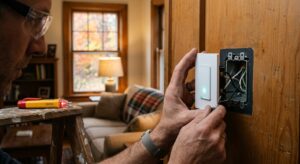
Electrical repairs at home can feel intimidating, but with the right approach, many small tasks can be handled safely and responsibly. Understanding risks, following proven safety practices, and knowing personal limits are essential. This guide explains how to safely do DIY electrical repairs at home while prioritizing safety, compliance, and long-term reliability.
Electricity is unforgiving. A single mistake can lead to injury, fire hazards, or costly damage, which is why preparation and awareness along with guidance from professionals like Advanced Electric LLC matter just as much as the repair itself.
Why Electrical Safety Should Always Come First
Electrical systems power modern homes, but they also carry serious risks. Improper wiring, loose connections, or incorrect tools can result in electric shocks or fires.
Safety-focused electrical work protects:
- People inside the home
- Property and appliances
- Long-term system performance
Approaching every repair with caution reduces risks and ensures the work does not create hidden problems that surface later.
Understanding What DIY Electrical Work Is Appropriate
Not all residential electrical work should be handled without professional support. Simple tasks may be manageable, but complex electrical jobs should always be performed by qualified professionals to ensure safety and code compliance.
Generally suitable DIY tasks include:
- Replacing light switches or outlets
- Installing light fixtures
- Tightening loose terminal screws
Tasks that should not be attempted include:
- Main electrical panel work
- Full house rewiring
- Repairs involving frequent breaker trips
Understanding this distinction is a key part of practicing safe DIY home electrical repairs and maintaining overall home electrical safety.
Essential Tools and Safety Equipment
Using the correct tools is not optional. Proper equipment reduces the risk of accidents and ensures accuracy.
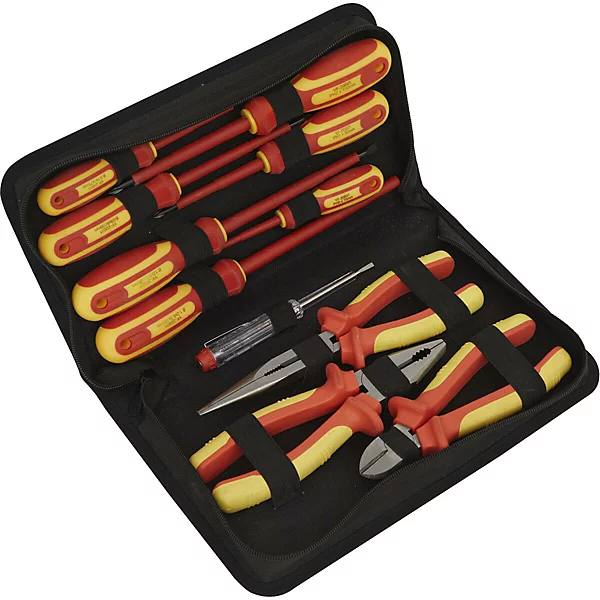
Basic tools required for safe electrical repairs:
- Voltage tester or multimeter
- Insulated screwdrivers
- Insulated pliers
- Safety gloves and eye protection
Testing equipment is especially important. Power should never be assumed to be off; it must be confirmed before any work begins.
Step-by-Step Safety Practices for DIY Electrical Repairs
Turn Off Power at the Source
Always shut off electricity at the circuit breaker, not just the wall switch. This ensures the circuit is fully de-energized.
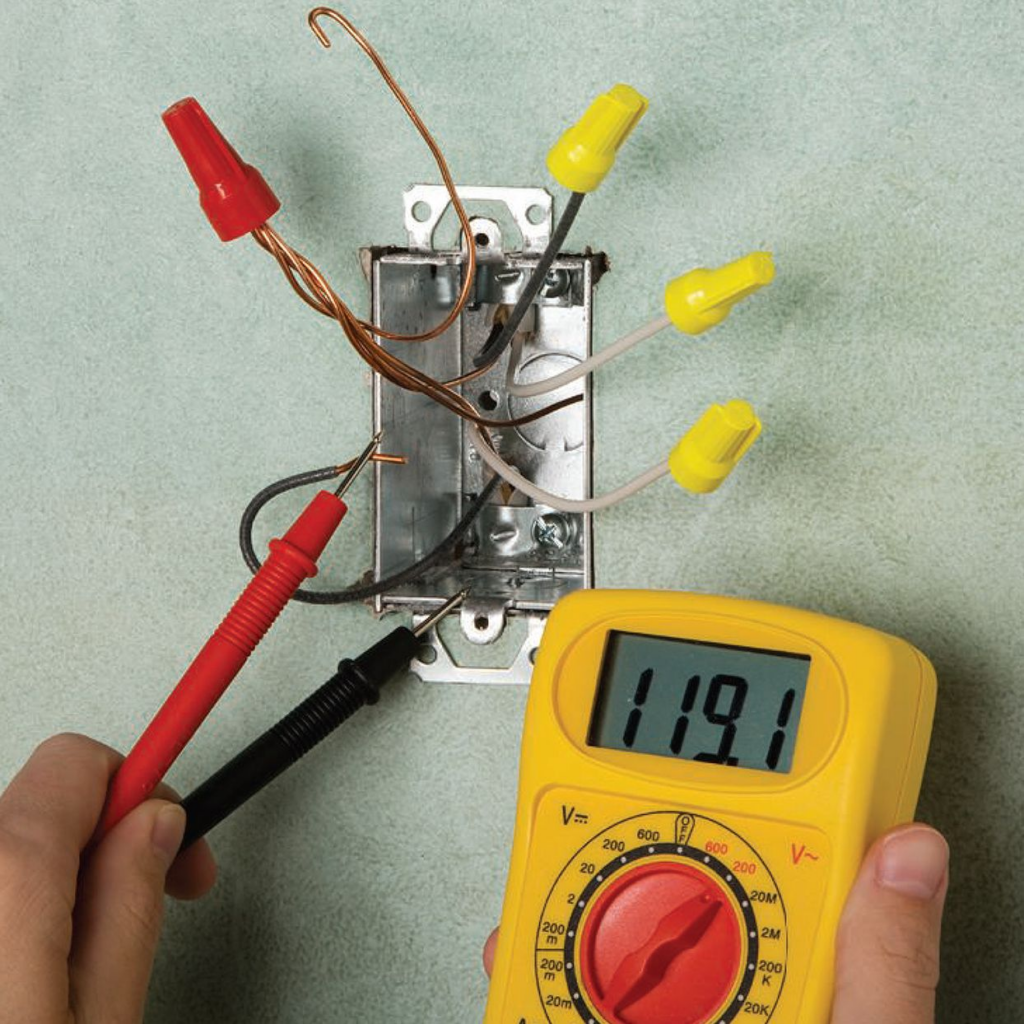
Test Before Touching
Use a voltage tester on wires and terminals. This step prevents accidental contact with live current.
Work in a Dry, Clear Area
Moisture increases shock risk. Ensure the workspace is dry, well-lit, and free from clutter.
Use the Correct Wire Type and Size
Matching wire gauge and insulation type is essential. Incorrect wiring can cause overheating and failures.
Secure Connections Properly
Loose connections generate heat and are a leading cause of electrical fires. All terminals should be tight and properly enclosed.
Restore Power and Test Carefully
Once the repair is complete, restore power and test the circuit slowly. Watch for unusual sounds, smells, or flickering.
Common DIY Electrical Mistakes to Avoid
Many electrical issues come from avoidable mistakes. Being aware of them improves safety and reliability.
Common errors include:
- Working on live circuits
- Overloading outlets or extension cords
- Ignoring grounding requirements
- Mixing different wire types
Avoiding these mistakes protects both the repair and the entire electrical system.
Wiring Cost Estimate: What Homeowners Should Know
Understanding wiring costs helps make informed decisions before starting any project.
Average Wiring Cost Comparison
| Task | DIY Material Cost | Professional Service Cost |
| Replace outlet | Low | Medium |
| Light fixture wiring | Low–Medium | Medium |
| Room wiring upgrade | Not recommended | High |
Factors That Affect Wiring Costs
- Type and length of wire
- Circuit load requirements
- Age of the existing wiring
- Safety upgrades and compliance needs
While DIY repairs can save on labor, incorrect work can lead to higher costs later. Cost awareness is part of safe decision-making.
When DIY Electrical Repairs Should Stop
Some warning signs indicate it is time to step back:
- Burning smells or sparks
- Frequent breaker trips
- Buzzing outlets or switches
- Visible wire damage
Continuing DIY work under these conditions increases risk, which is why safety should always outweigh convenience, and professional support from Advanced Electric LLC is recommended when needed.
Protect Your Home with Safe DIY Electrical Practices
Learning how to safely do DIY electrical repairs at home is about more than completing a task. It is about protecting people, property, and future reliability. Proper tools, careful planning, and respect for electrical systems make a measurable difference.
Responsible decisions today prevent dangerous and expensive problems tomorrow.
Preparation and Safety Come First in DIY Electrical Work
Safe electrical work is based on preparation, knowledge, and restraint. Understanding limits, following proven safety practices, and considering wiring cost estimates all contribute to better outcomes. When handled responsibly, DIY electrical repairs can be efficient and safe but safety should always lead the process.
Whenever you need professional help, visit Advanced Electric LLC for safe, reliable electrical solutions and expert support for your home.
Frequently Asked Questions
Q1. Is it safe to do electrical repairs at home?
Ans: Yes, small repairs can be safe when proper precautions, tools, and knowledge are used.
Q2. What electrical tasks are suitable for beginners?
Ans: Replacing switches, outlets, and light fixtures are typically manageable with proper safety steps.
Q3. How much does basic wiring usually cost?
Ans: Basic wiring materials are relatively low-cost, but total cost depends on wire type, circuit length, and safety requirements.
Q4. What is the most important safety step before starting?
Ans: Turning off power at the breaker and testing the circuit is the most critical step.
Q5. When should electrical repairs not be done DIY?
Ans: Work involving panels, major rewiring, or repeated electrical faults should not be attempted without professional support.
Related reading: Learn more about electrician services for homeowners.