Getting accurate electrical service estimates is essential for homeowners planning any kind of electrical work. Whether you’re installing new lighting, upgrading your electrical panel, or rewiring an entire room, understanding how to secure clear, detailed quotes can save you thousands of dollars and eliminate unexpected costs. This guide will walk you through everything you need to know to make informed decisions and protect your budget.
In 2025, the average cost of an electrician is $40 to $100 per hour, with a typical call-out fee or first-hour rate of $75 to $125. However, the total cost of electrical work varies dramatically based on project complexity, materials needed, and local labor rates. This comprehensive guide will walk you through the entire process of obtaining accurate electrical service estimates, helping you make informed decisions about your electrical projects.
Understanding Electrical Service Estimates
What is an Electrical Service Estimate?
An electrical service estimate is a detailed breakdown of the anticipated costs for electrical work, including labor, materials, permits, and any additional fees. A comprehensive estimate should include:
- Labor costs based on project complexity and time requirements
- Material costs for all components needed
- Permit fees required by local authorities
- Service call fees and any additional charges
- Timeline for project completion
- Warranty information on work performed
Types of Electrical Estimates
Free Estimates vs. Paid Consultations
Many electricians offer free estimates for planned work, but some charge $50-$150 for detailed estimates on complex projects. This fee is often credited toward the project if you hire them. Understanding when to expect free estimates versus paid consultations helps you budget appropriately and avoid surprises.
Flat Rate vs. Hourly Estimates
Electrical contractors typically use two pricing models:
- Flat Rate Pricing: A fixed price for the entire project, regardless of time spent
- Hourly Pricing: Charges based on actual time worked plus materials
A flat rate means charging a single price for the entire project. You charge this price regardless of the time and materials used. Each approach has advantages depending on your project type and complexity.
Factors That Affect Electrical Estimate Accuracy
Project Complexity and Scope
The complexity of your electrical project significantly impacts estimate accuracy. Simple projects like outlet installation have predictable costs, while complex rewiring projects require more detailed assessment.
Simple Projects (1-2 hours):
- Outlet installation or replacement
- Light fixture installation
- Switch replacement
- GFCI outlet installation
Moderate Complexity (2-8 hours):
- Electrical panel upgrades
- Circuit breaker installation
- Ceiling fan installation with new wiring
Complex Projects (Multiple days):
- Whole-house rewiring
- Service upgrades
- Commercial electrical work
Material Costs and Quality
Electrical wire pricing is $0.10 to $4.00 per linear foot before installation, but material costs extend beyond basic wiring. High-quality materials cost more upfront but provide better long-term value and safety.
Standard vs. Premium Materials:
- Standard outlets: $2-$5 each
- GFCI outlets: $15-$35 each
- Smart switches: $20-$80 each
- Basic wire: $0.50-$1.50 per foot
- Premium wire: $1.50-$4.00 per foot
Labor Rates and Experience Levels
Most residential jobs can be handled by journeyman electricians, while commercial projects often require master electricians. Understanding electrician qualifications helps you match the right professional to your project:
Apprentice Electrician: $30-$50 per hour Journeyman Electrician: $50-$80 per hour
Master Electrician: $80-$120 per hour
Geographic Location Impact
Location significantly affects electrical service costs. Urban areas typically command higher rates due to increased cost of living, higher overhead expenses, and greater demand for services. In Wisconsin, electrical costs vary by region, with metropolitan areas like Milwaukee and Madison typically charging premium rates.
Current Market Conditions
As of 2025, several factors influence electrical pricing:
- Material supply chain issues affecting component availability
- Labor shortages in skilled trades
- Updated electrical codes requiring new compliance measures
- Increased demand for electrical vehicle charging stations and smart home installations
How to Prepare for Electrical Estimate Requests
Documenting Your Electrical Needs
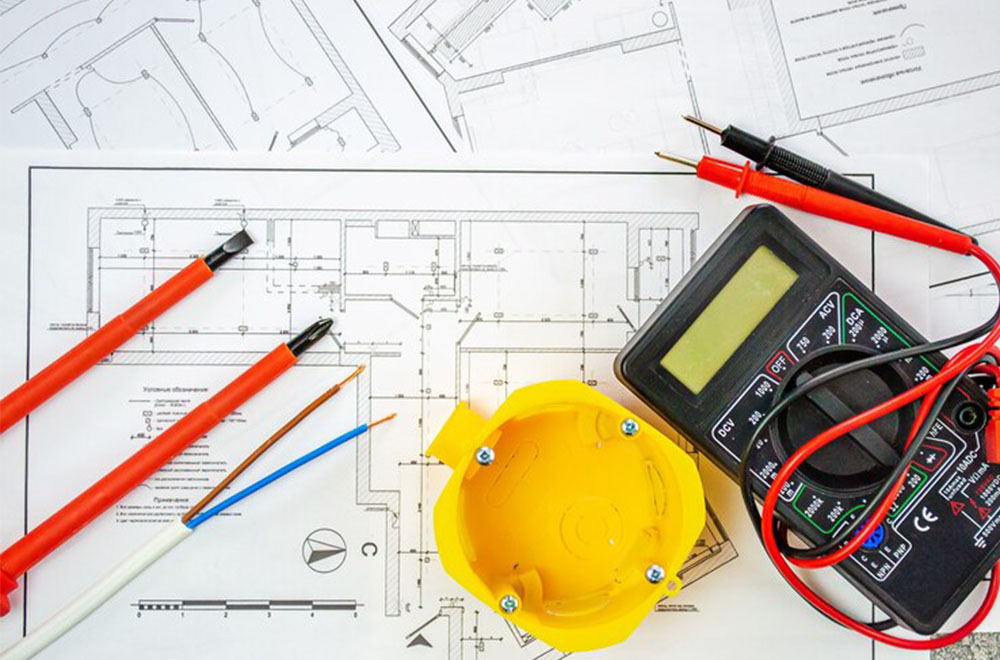
Before contacting electricians, document your electrical needs thoroughly. This preparation ensures more accurate estimates and prevents miscommunication.
Create a Detailed Project List:
- Identify all electrical work needed
- New outlets and their locations
- Light fixtures requiring installation
- Panel upgrades or circuit additions
- Any electrical code violations to address
- Take photos of existing electrical components
- Current electrical panel
- Areas where work will be performed
- Any problem areas or damaged components
- Measure spaces and distances
- Room dimensions for rewiring projects
- Distance between electrical panel and new installations
- Accessibility challenges
Understanding Your Home’s Electrical System
Electrical Panel Assessment
Your electrical panel is the heart of your home’s electrical system. Before requesting estimates, understand your current setup:
- Panel age and condition
- Available capacity (100-amp, 200-amp, etc.)
- Number of available circuits
- Code compliance status
Electrical Load Analysis
Modern homes require more electrical capacity than older homes were designed to handle. Consider your current and future electrical needs:
- Large appliances (HVAC systems, electric water heaters, dryers)
- Home office equipment (computers, printers, networking equipment)
- Entertainment systems (TVs, sound systems, gaming equipment)
- Future additions (electric vehicle charging, pool equipment, home additions)
Researching Local Electrical Codes
The National Electrical Code (NEC) codifies the minimum requirements for safe electrical installations in a single, standardized source. While the NEC is not itself a U.S. law, the NEC is commonly mandated by state or local law. Understanding local code requirements helps you ask informed questions and verify estimate accuracy.
Key 2025 Code Updates:
- GFCI protection for appliances has been expanded to include wall-mounted ovens, counter-mounted cooking units, clothes dryers and microwave ovens
- Enhanced AFCI protection requirements
- Updated electrical vehicle charging station requirements
Finding Qualified Electrical Contractors
Licensing and Insurance Requirements
Never hire unlicensed electrical contractors. Hire a licensed, bonded, and insured electrician who has been in business at least 5 years. Verify credentials through your state’s licensing board.
Essential Qualifications:
- Valid electrical license for your state and local area
- Current insurance coverage (liability and workers’ compensation)
- Better Business Bureau rating and customer reviews
- Manufacturer certifications for specific equipment
Research Methods for Finding Contractors
Online Resources:
- Google searches with location-specific terms
- Better Business Bureau contractor database
- Manufacturer websites for certified installers
- Local building department approved contractor lists
Local Referrals:
- Neighbors and friends who’ve had electrical work done
- Local hardware stores often know reputable contractors
- Building supply companies can recommend contractors
- Real estate agents familiar with local tradespeople
Red Flags to Avoid
Warning Signs of Unreliable Contractors:
- Door-to-door solicitation without prior contact
- Extremely low estimates significantly below market rates
- Cash-only payment requirements
- No written estimates or contracts
- Pressure to sign immediately
- No local business address or phone number
- Unlicensed or uninsured operations
Requesting and Comparing Estimates
How Many Estimates to Get
For planned projects, get 3-4 quotes from different electricians. This typically saves 15-25% on overall costs. Multiple estimates help you:
- Compare pricing across different contractors
- Understand project scope variations
- Identify potential issues different contractors highlight
- Negotiate better terms with preferred contractors
Questions to Ask Potential Contractors
During Initial Contact:
- Are you licensed and insured?
- How long have you been in business?
- Do you provide free estimates?
- What’s your typical timeline for this type of work?
- Do you offer warranties on your work?
During Estimate Visits:
- What permits will be required?
- How will you handle code compliance issues?
- What happens if you discover additional problems?
- How do you handle material cost overruns?
- What cleanup is included in your service?
Understanding Estimate Formats
Comprehensive Estimate Components:
A professional electrical estimate should include:
Header Information:
- Contractor name, license number, and contact information
- Project address and description
- Estimate date and validity period
Detailed Line Items:
- Labor costs broken down by task
- Material costs with specific quantities
- Permit fees and inspection costs
- Equipment rental fees (if applicable)
- Cleanup and disposal costs
Terms and Conditions:
- Payment schedule and methods accepted
- Warranty information
- Change order procedures
- Timeline and completion dates
Evaluating and Comparing Estimates
Analyzing Cost Breakdowns
Labor Cost Analysis:
For larger electrical jobs like installing wiring or replacing an electrical panel, expect to pay $2,000 to $6,000. When comparing labor costs, consider:
- Hourly rates vs. flat-rate pricing
- Experience level of assigned electricians
- Project timeline and efficiency
- Included services (cleanup, disposal, warranty)
Material Cost Comparison:
Verify that estimates include comparable materials:
- Brand names and model numbers
- Quality ratings and certifications
- Warranty periods on materials
- Upgrade options and associated costs
Red Flags in Estimates
Pricing Red Flags:
- Estimates significantly lower than others (potential low-ball pricing)
- Vague line items without specific details
- No material specifications or generic descriptions
- Hidden fees not disclosed upfront
- Unrealistic timelines for complex projects
Professional Red Flags:
- Handwritten estimates on generic forms
- No company letterhead or professional presentation
- Verbal estimates only without written documentation
- High-pressure sales tactics or immediate signing requirements
Making the Final Decision
Evaluation Criteria:
Don’t automatically choose the lowest estimate. Consider:
- Value vs. Cost (30% weight)
- Total project cost
- Included services and warranties
- Material quality and specifications
- Experience and Reputation (25% weight)
- Years in business
- Customer reviews and references
- License and insurance status
- Communication and Professionalism (25% weight)
- Responsiveness to questions
- Estimate detail and presentation
- Punctuality and reliability
- Timeline and Availability (20% weight)
- Project start date
- Estimated completion time
- Flexibility for scheduling
Common Electrical Projects and Pricing
Outlet and Switch Installation
Standard Outlet Installation:
- Basic outlet replacement: $150-$300
- New outlet installation: $200-$400
- GFCI outlet installation: $180-$350
- USB outlet installation: $200-$350
Switch Installation:
- Standard switch replacement: $100-$200
- Dimmer switch installation: $150-$250
- Smart switch installation: $200-$400
- Three-way switch installation: $250-$450
Electrical Panel Upgrades
The basic cost to Install an Electrical Service Panel is $1,270 – $1,539 per panel in January 2025. Panel upgrade costs vary based on:
100-amp to 200-amp Upgrade:
- Panel replacement: $1,400-$2,800
- Service line upgrade: $500-$1,500
- Permits and inspections: $100-$300
- Additional circuits: $150-$300 each
Factors Affecting Panel Upgrade Costs:
- Distance from meter to panel location
- Accessibility and working space requirements
- Code compliance upgrades needed
- Electrical load requirements
Lighting Installation
The average cost to install a basic light fixture is $133 to $414. For advanced fixtures like a chandelier, be sure to include the cost of the fixture itself which can add another $200 to $700 to your final price.
Common Lighting Projects:
- Ceiling fan installation: $200-$500
- Recessed lighting: $150-$300 per fixture
- Chandelier installation: $300-$800
- Under-cabinet lighting: $250-$500
- Outdoor lighting: $150-$400 per fixture
Wiring Projects
The average cost to wire a new house is $4 to $9 per square foot, or $6,000 to $22,500 for a 1,500 to 2,500 SF home.
Residential Wiring Costs:
- Outlet wiring: $6-$8 per linear foot
- Structured wiring: Additional $2 per foot
- Low-voltage wiring: $0.40-$0.62 per linear foot
- Basement wiring: $2,000-$13,500 depending on complexity
Avoiding Common Estimate Mistakes
Homeowner Mistakes
Inadequate Project Description: Many homeowners provide vague project descriptions, leading to inaccurate estimates. Be specific about:
- Exact locations for new installations
- Current electrical issues or code violations
- Future electrical needs to consider
- Access limitations or challenging installations
Failing to Research Contractors: Avoid hiring the company with the lowest estimate as quality may suffer. Thoroughly research contractors before requesting estimates.
Not Understanding Estimate Terms: Ensure you understand:
- What’s included in the quoted price
- Additional costs that might arise
- Payment terms and schedule
- Warranty coverage and duration
Contractor Mistakes
Insufficient Site Assessment: Quality contractors perform thorough site assessments. Be wary of contractors who:
- Provide estimates without seeing the work area
- Don’t ask questions about your electrical needs
- Fail to identify potential complications
- Don’t discuss code compliance requirements
Inadequate Estimate Detail: Professional estimates should include:
- Specific material specifications
- Labor time breakdowns
- Permit and inspection costs
- Timeline information
Electrical Safety and Code Compliance
Understanding Electrical Safety
The National Electrical Code (NEC), or NFPA 70, is a United States standard for the safe installation of electrical wiring and equipment. Safety considerations affect estimate accuracy:
Safety Requirements:
- GFCI protection in bathrooms, kitchens, and outdoor areas
- AFCI protection for bedroom and living area circuits
- Proper grounding for all electrical installations
- Load capacity calculations for circuits
2025 Code Updates
The 2023 National Electrical Code includes updates in GFCI protection, AFCI protection, surge protection and other requirements for safe practices in electrical wiring, installation, testing and maintenance.
Key Updates Affecting Estimates:
- Expanded GFCI requirements for additional appliances
- Enhanced AFCI protection for more locations
- Updated surge protection requirements
- Electric vehicle charging accommodation requirements
Permit and Inspection Requirements
Most electrical work requires permits and inspections. Understanding requirements helps you:
- Budget for permit costs ($50-$350 depending on project scope)
- Plan for inspection schedules
- Ensure code compliance
- Avoid costly corrections
Getting the Best Value
Negotiating Electrical Estimates
Appropriate Negotiation Strategies:
- Bundle multiple projects for cost savings
- Adjust project timeline for contractor availability
- Consider material alternatives for budget optimization
- Discuss payment terms for cash discounts
What Not to Negotiate:
- Licensed electrician requirements
- Code compliance standards
- Safety procedures
- Warranty terms
Timing Your Electrical Projects
Best Times for Electrical Work:
- Off-peak seasons (late fall, early spring)
- Mid-week scheduling for better rates
- Bundled projects for efficiency
- Planned maintenance during renovations
Cost-Saving Strategies:
- Save 10-20% by having several electrical tasks completed in one visit rather than scheduling separate service calls
- Prepare work areas to improve efficiency
- Purchase materials yourself (if contractor agrees)
- Schedule during contractor’s downtime
Special Considerations for Wisconsin Homeowners
Wisconsin Electrical Codes and Requirements
Wisconsin follows the National Electrical Code with some state-specific modifications. Understanding local requirements helps ensure accurate estimates:
Wisconsin-Specific Considerations:
- Licensing requirements for electrical contractors
- Permit processes vary by municipality
- Inspection procedures and timelines
- Weather considerations for outdoor electrical work
Climate and Weather Impacts
Wisconsin’s climate affects electrical work:
- Seasonal scheduling limitations
- Material considerations for extreme temperatures
- Access challenges during winter months
- Moisture protection requirements
Local Cost Factors
In Wisconsin, the average monthly electric bill for residential customers is $169/month. Understanding local cost factors helps you budget appropriately:
Wisconsin Electrical Costs:
- Labor rates vary by region
- Material costs affected by local supply chains
- Permit fees vary by municipality
- Inspection costs and requirements
Working with Your Chosen Contractor
Contract Essentials
Once you’ve selected a contractor, ensure your contract includes:
Essential Contract Elements:
- Detailed scope of work
- Material specifications
- Labor costs and timeline
- Permit and inspection responsibilities
- Payment schedule and terms
- Warranty information
- Change order procedures
Project Management
Homeowner Responsibilities:
- Provide clear access to work areas
- Maintain communication with contractor
- Review work progress regularly
- Address concerns promptly
- Arrange for inspections as needed
Monitoring Work Quality:
- Daily progress reviews
- Material verification
- Code compliance checks
- Safety procedure adherence
Payment Best Practices
Never pay in full before the project is complete. Work out a payment plan instead. Follow safe payment practices:
Payment Schedule:
- Down payment: 10-20% to secure project
- Progress payments: Tied to completion milestones
- Final payment: After work completion and inspection
- Retention: 5-10% until warranty period ends
Troubleshooting Estimate Issues
When Estimates Differ Significantly
Investigating Discrepancies:
- Compare scope differences between estimates
- Verify material specifications and quantities
- Check labor hour assumptions
- Confirm permit and inspection costs
- Review timeline expectations
Red Flags for Extreme Estimates:
- Estimates 50% higher than others without justification
- Estimates 30% lower than others (potential low-ball pricing)
- Vague explanations for pricing differences
- Missing components in low estimates
Handling Estimate Disputes
Resolution Strategies:
- Request clarification on specific line items
- Ask for itemized breakdowns of vague estimates
- Seek second opinions from other contractors
- Consult with building inspectors for code questions
Change Orders and Cost Overruns
Preventing Cost Overruns:
- Thorough initial assessment of electrical systems
- Detailed written estimates with contingencies
- Clear change order procedures
- Regular communication during project
Maintenance and Long-Term Considerations
Electrical System Maintenance
Regular maintenance prevents costly repairs and ensures safety:
Annual Maintenance:
- Electrical panel inspection
- GFCI and AFCI testing
- Outlet and switch function checks
- Grounding system verification
Signs of Electrical Problems:
- Flickering lights or dimming
- Frequent circuit breaker trips
- Burning smells or sparks
- Warm outlets or switches
- Electrical shocks from appliances
Planning Future Electrical Needs
Consider future electrical needs when planning current projects:
Future-Proofing Strategies:
- Install additional circuits for anticipated needs
- Upgrade to higher-capacity panels
- Include smart home wiring for automation
- Plan for electric vehicle charging
Conclusion: Making Informed Electrical Decisions
Getting accurate electrical service estimates requires preparation, research, and careful evaluation. By following this comprehensive guide, you’ll be equipped to:
- Understand electrical pricing and factors affecting costs
- Find qualified contractors with proper licensing and insurance
- Request detailed estimates that enable accurate comparisons
- Avoid common mistakes that lead to cost overruns
- Ensure safe, code-compliant electrical work
- Get the best value for your electrical investment
Remember that the lowest estimate isn’t always the best choice. Focus on finding licensed, experienced contractors who provide detailed estimates, clear communication, and quality workmanship. Your electrical system is crucial for safety and functionality—invest in quality work that protects your home and family.
When you’re ready to move forward with electrical work, contact Advanced Electric LLC for professional service from Wisconsin’s trusted electrical contractors. Our experienced team provides accurate estimates, quality workmanship, and reliable service throughout the Fond du Lac area.
Frequently Asked Questions
Q: How long are electrical estimates valid?
Most electrical estimates are valid for 30-60 days. Material costs and labor rates can change, so confirm validity periods before making decisions.
Q: Should I get estimates from both large companies and independent contractors?
Independent electricians typically charge 10-25% less per hour than large companies but may have limited availability and fewer resources for very large projects. Get estimates from both to compare value and capabilities.
Q: What’s included in a typical electrical service call?
Most electricians charge a service call fee of $75-$200, which typically covers the initial assessment, diagnosis, and first hour of work. This fee is often waived for larger projects.
Q: How can I verify if an electrician’s estimate is reasonable?
Get multiple quotes for comparison, check with your local electrical contractors’ association for average rates in your area, and ask friends or neighbors about their recent experiences with electrician pricing.
Q: What should I do if I discover additional electrical problems during the project?
Establish clear change order procedures before work begins. Quality contractors will stop work, explain additional problems, and provide written estimates for additional work before proceeding.
Q: How do I know if electrical work requires permits?
Most electrical work requires permits, especially for new installations, panel upgrades, and major repairs. Your contractor should handle permit applications and coordinate inspections.