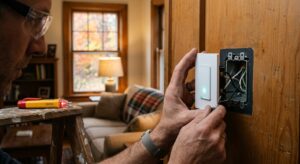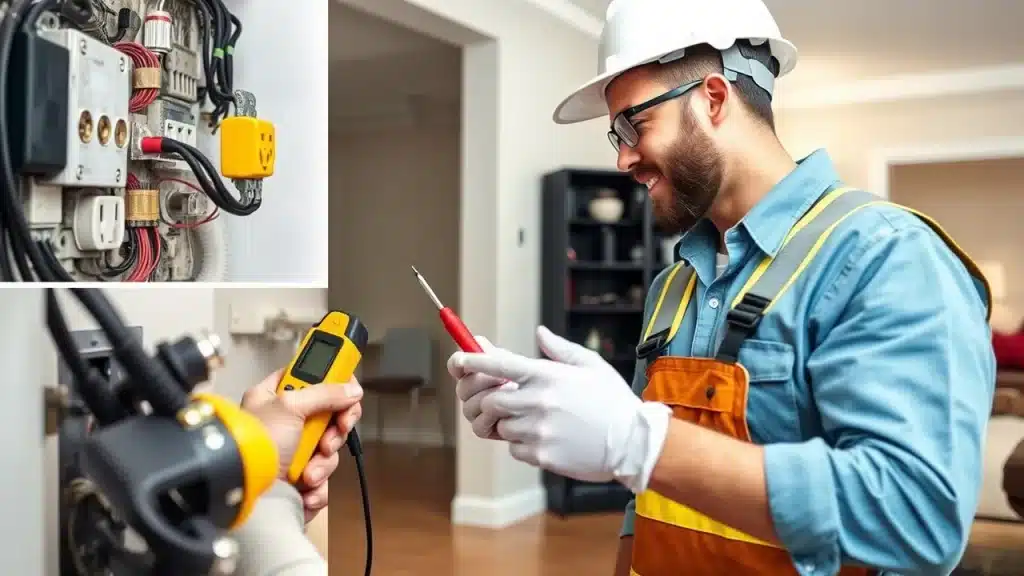
Electrical inspections for home safety are more than just a routine check—they’re a critical defense against hidden hazards that could endanger your family and home. If you can’t recall the last time your electrical system was professionally inspected, or if it’s been over five years, you may be at serious risk.
Faulty wiring and outdated systems contribute to over 53% of accidental domestic fires, causing billions in damage annually. This guide explains why staying proactive with electrical inspections for home safety is one of the smartest moves you can make.
The Hidden Dangers Lurking in Your Electrical System
Your home’s electrical system works silently behind the walls, powering everything from your morning coffee maker to your evening entertainment system. But this invisible network can harbor dangerous problems that gradually worsen over time, creating fire hazards and electrical shock risks that most homeowners never see coming.
According to recent electrical safety statistics, faulty electrical equipment and sockets cause approximately 70 deaths and 350,000 injuries annually in homes across the United States. Even more alarming, electricity is responsible for over 20,000 accidental fires in homes each year, with key culprits including cooking appliances, laundry machines, portable heaters, and televisions causing approximately 12,000 fires and 3,000 electrical injuries yearly.
Advanced Electric LLC offers professional electrical inspections to uncover hidden hazards before they become serious problems. Our licensed electricians check everything, wiring, panels, outlets, and grounding, to ensure your system is running safely and efficiently. Whether you’re buying a new home, upgrading old wiring, or preparing for a remodel, we’ll give you a full picture of your electrical condition.
Understanding Why Electrical Systems Deteriorate
Electrical systems don’t fail overnight. Instead, they gradually degrade through a combination of factors that most homeowners don’t consider:
Age and Wear: Electrical components have finite lifespans. Wiring insulation breaks down over time, connections loosen, and protective devices wear out. Homes over 25 years old are particularly vulnerable to electrical problems.
Environmental Factors: Moisture, temperature fluctuations, and pests can all damage electrical components. Rodents chewing on wires, water infiltration causing corrosion, and thermal cycling causing connections to expand and contract all contribute to system degradation.
Increased Electrical Demands: Modern homes use significantly more electricity than they did even a decade ago. Smart devices, electric vehicle chargers, and energy-intensive appliances can overload systems that weren’t designed for today’s electrical loads.
Poor Installation Practices: Not all electrical work is performed to code standards. DIY installations, unlicensed contractor work, or shortcuts taken during construction can create hidden hazards that only become apparent during professional inspections.
What Professional Electrical Inspections Reveal
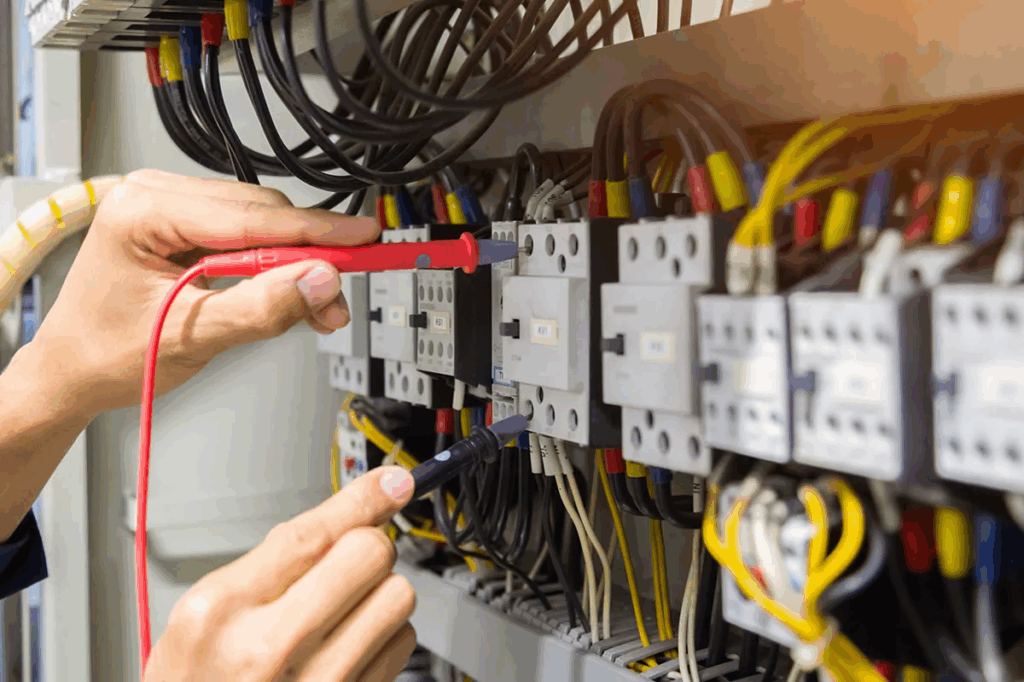
A comprehensive electrical inspection goes far beyond what homeowners can assess on their own. Licensed electricians use specialized tools and extensive training to identify hazards that aren’t visible to the untrained eye.
The Inspection Process: What to Expect
When a professional electrician conducts a safety inspection, they follow a systematic approach that covers every aspect of your electrical system:
Service Entrance Evaluation: The inspection begins where electricity enters your home. The electrician examines the service drop, weather head, meter base, and main disconnect to ensure they’re properly installed and functioning safely.
Main Panel Assessment: Your electrical panel is the heart of your home’s electrical system. Inspectors check for proper grounding, correctly sized circuit breakers, appropriate labeling, and signs of overheating or arcing. They also verify that the panel can handle your home’s electrical load.
Circuit Analysis: Each circuit in your home is tested for proper operation, adequate capacity, and code compliance. This includes checking for overloaded circuits, improper wiring methods, and inadequate protection devices.
Outlet and Switch Testing: Every outlet and switch is tested for proper operation, correct wiring, and appropriate GFCI or AFCI protection where required by code.
Lighting System Review: All lighting fixtures are examined for proper installation, correct bulb wattages, and safe mounting methods.
Specialized System Inspection: Modern homes often include specialized electrical systems like solar panels, backup generators, or electric vehicle charging stations that require specific inspection protocols.
Advanced Diagnostic Techniques
Professional inspections utilize advanced diagnostic tools that reveal problems invisible to standard visual inspections:
Thermal Imaging: Infrared cameras can detect hot spots in electrical systems that indicate loose connections, overloaded circuits, or failing components. These thermal signatures often reveal problems months or years before they would otherwise become apparent.
Power Quality Analysis: Sophisticated meters can detect voltage fluctuations, harmonic distortion, and other power quality issues that can damage sensitive electronics and indicate underlying electrical problems.
Arc Fault Detection: Advanced testing equipment can identify arc faults – dangerous electrical discharges that can ignite fires – even when they’re intermittent and difficult to detect.
Ground Fault Testing: Specialized instruments verify that ground fault protection is working correctly, ensuring protection against electrical shock in wet locations.
The Science Behind Electrical Safety Standards
Modern electrical safety standards didn’t develop randomly – they’re based on decades of research, accident analysis, and technological advancement. Understanding these standards helps explain why regular inspections are so crucial.
The National Electrical Code Evolution
The National Electrical Code (NEC), developed by the National Fire Protection Association (NFPA), serves as the foundation for electrical safety in the United States. This comprehensive standard is updated every three years to incorporate new safety research, emerging technologies, and lessons learned from electrical incidents.
Recent NEC updates have focused on critical safety improvements:
Arc Fault Circuit Interrupter (AFCI) Requirements: Modern codes require AFCI protection for most residential circuits. These devices detect dangerous arcing conditions and shut off power before fires can start.
Ground Fault Circuit Interrupter (GFCI) Expansion: GFCI protection requirements have expanded to cover more areas of the home, providing crucial protection against electrical shock.
Surge Protection Standards: New requirements for whole-house surge protection help protect homes from the increasingly common problem of electrical surges that can damage equipment and create fire hazards.
Emergency Disconnection Requirements: Recent code changes require outdoor emergency disconnects that allow first responders to quickly shut off power during emergencies.
The Cost of Code Non-Compliance
Homes that don’t meet current electrical codes face multiple risks:
Insurance Issues: Many insurance companies require electrical systems to meet current safety standards. Non-compliant systems can result in coverage denial or policy cancellation.
Legal Liability: Property owners can face legal consequences if electrical problems cause injuries or property damage, especially if they knew or should have known about the hazards.
Resale Difficulties: Homes with electrical code violations can be difficult to sell and may require expensive upgrades before closing.
Safety Risks: Most importantly, non-compliant electrical systems pose genuine risks to occupant safety and property protection.
When You Need Electrical Inspections: Critical Timing
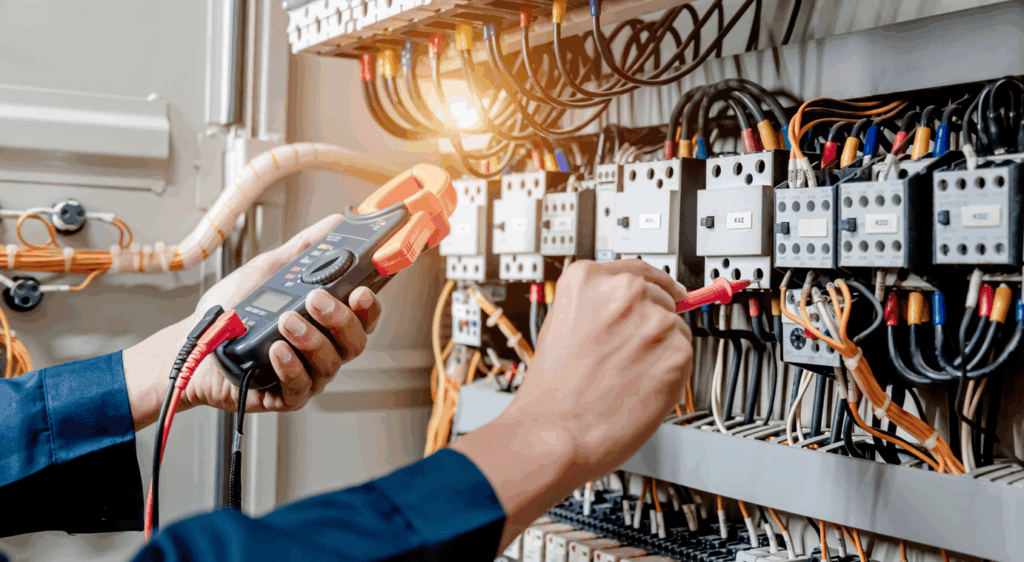
Understanding when to schedule electrical inspections can literally save lives and prevent devastating property loss. Different situations call for different inspection approaches and timing.
Routine Inspection Schedule
For most homes, electrical safety experts recommend inspection schedules based on the property’s age and condition:
Newer Homes (Under 10 Years): Every 10 years for routine safety verification
Mature Homes (10-25 Years): Every 5-7 years to catch developing problems
Older Homes (25+ Years): Every 3-5 years due to higher risk of age-related problems
Historic Homes (40+ Years): Annual inspections recommended due to likely outdated wiring and components
Trigger Events Requiring Immediate Inspection
Certain situations demand immediate professional electrical inspection regardless of when your last inspection occurred:
Home Purchase or Sale: Real estate transactions should always include comprehensive electrical inspections. For buyers, this reveals potential problems before closing. For sellers, proactive inspection allows time to address issues without delays.
Major Renovations: Any significant remodeling work, especially involving electrical modifications, requires inspection to ensure new work integrates safely with existing systems.
Weather-Related Damage: Floods, severe storms, or other weather events can cause hidden electrical damage that creates ongoing hazards.
High-Power Appliance Installation: Adding electric vehicle chargers, hot tubs, or other high-demand appliances may require system upgrades that need professional verification.
Insurance Requirements: Many insurance companies require electrical inspections before issuing or renewing policies, especially for older homes.
Warning Signs That Demand Immediate Attention
Certain symptoms indicate electrical problems that require emergency professional inspection:
Frequent Circuit Breaker Trips: Persistent breaker trips usually indicate overloaded circuits, short circuits, or failing protective devices.
Burning Smells: Any burning odor near electrical outlets, panels, or fixtures requires immediate professional attention.
Hot Outlets or Switches: Electrical components should never be hot to the touch. Heat indicates dangerous electrical resistance that can cause fires.
Flickering or Dimming Lights: While sometimes caused by utility issues, flickering lights often indicate loose connections or overloaded circuits.
Electrical Shocks: Any electrical shock from appliances or fixtures indicates dangerous grounding problems that need immediate correction.
Buzzing or Crackling Sounds: Unusual sounds from electrical components often indicate arcing or loose connections that can cause fires.
The Hidden Costs of Delayed Electrical Maintenance
Many homeowners postpone electrical inspections due to cost concerns, but this short-term thinking often results in far greater expenses down the road. Understanding the true cost of electrical neglect helps put inspection costs in proper perspective.
Financial Impact of Electrical Fires
Electrical fires cause devastating financial losses that far exceed inspection and maintenance costs:
Property Damage: The average electrical fire causes over $35,000 in property damage, with many fires resulting in total loss of homes worth hundreds of thousands of dollars.
Temporary Living Expenses: Electrical fire victims often face months of temporary housing costs while their homes are rebuilt or extensively repaired.
Insurance Deductibles and Premium Increases: Even when insurance covers fire damage, deductibles can be substantial, and rates often increase significantly after claims.
Irreplaceable Loss: Many electrical fires destroy family heirlooms, photographs, documents, and other irreplaceable items that have value far beyond their monetary worth.
Lost Income: Business owners who operate from home may face lost income during extended repair periods.
The Multiplication Effect of Electrical Problems
Electrical problems rarely exist in isolation. One issue often causes or accelerates others, creating cascading failures that become increasingly expensive to repair:
Component Damage Chain Reactions: A loose connection that creates heat can damage multiple components along a circuit, turning a simple repair into an extensive replacement project.
Secondary Damage: Electrical problems can damage expensive appliances, electronics, and HVAC systems, multiplying repair costs far beyond the original electrical issue.
Code Compliance Upgrades: When electrical problems are discovered, bringing systems up to current code standards often requires additional upgrades that wouldn’t be necessary with preventive maintenance.
Emergency Repair Premium
Electrical problems that develop into emergencies cost significantly more to repair than the same issues addressed through routine maintenance:
Emergency Service Rates: After-hours and emergency electrical service typically costs 1.5 to 2 times normal rates.
Limited Contractor Availability: During emergencies, homeowners have fewer contractor options and less negotiating power, often resulting in higher costs.
Rushed Solutions: Emergency repairs may require temporary solutions that need additional work later, effectively paying twice for the same problem.
Advanced Electrical Safety Technologies
Modern electrical inspection practices utilize cutting-edge technologies that dramatically improve safety and problem detection capabilities. Understanding these technologies helps homeowners appreciate the value of professional inspections.
Thermal Imaging Revolution
Infrared thermal imaging has revolutionized electrical safety inspections by revealing problems that would otherwise remain hidden until they cause failures or fires:
Hot Spot Detection: Thermal cameras instantly identify overheated connections, overloaded circuits, and failing components by detecting their heat signatures.
Preventive Maintenance Optimization: Thermal imaging allows electricians to prioritize repairs based on actual temperature readings, addressing the most dangerous problems first.
Historical Tracking: Regular thermal imaging creates baseline data that allows inspectors to track electrical system degradation over time and predict when components may fail.
Non-Invasive Analysis: Thermal imaging requires no physical contact with electrical components, allowing safe inspection of energized systems.
Power Quality Analysis
Modern electrical inspections often include power quality analysis that identifies problems affecting both safety and equipment performance:
Voltage Stability Monitoring: Power quality analyzers detect voltage fluctuations that can damage sensitive electronics and indicate underlying electrical problems.
Harmonic Distortion Detection: These instruments identify electrical harmonics that can cause overheating in neutral conductors and electrical panels.
Ground System Verification: Advanced testing confirms that grounding systems provide proper electrical safety and lightning protection.
Load Analysis: Power quality monitoring reveals how electrical loads are distributed throughout the system, identifying overloaded circuits and unbalanced phases.
Smart Monitoring Systems
The latest advancement in electrical safety involves continuous monitoring systems that provide ongoing safety surveillance:
Arc Fault Monitoring: Advanced systems can detect and locate arc faults throughout the electrical system, providing early warning of fire hazards.
Ground Fault Surveillance: Continuous ground fault monitoring identifies deteriorating insulation before it becomes dangerous.
Circuit Load Monitoring: Smart monitoring systems track electrical loads in real-time, alerting homeowners to potentially dangerous overload conditions.
Remote Notification: Modern monitoring systems can send alerts to homeowners’ smartphones when electrical problems are detected, enabling rapid response to safety issues.
Electrical Inspection Investment: Costs and Value Analysis
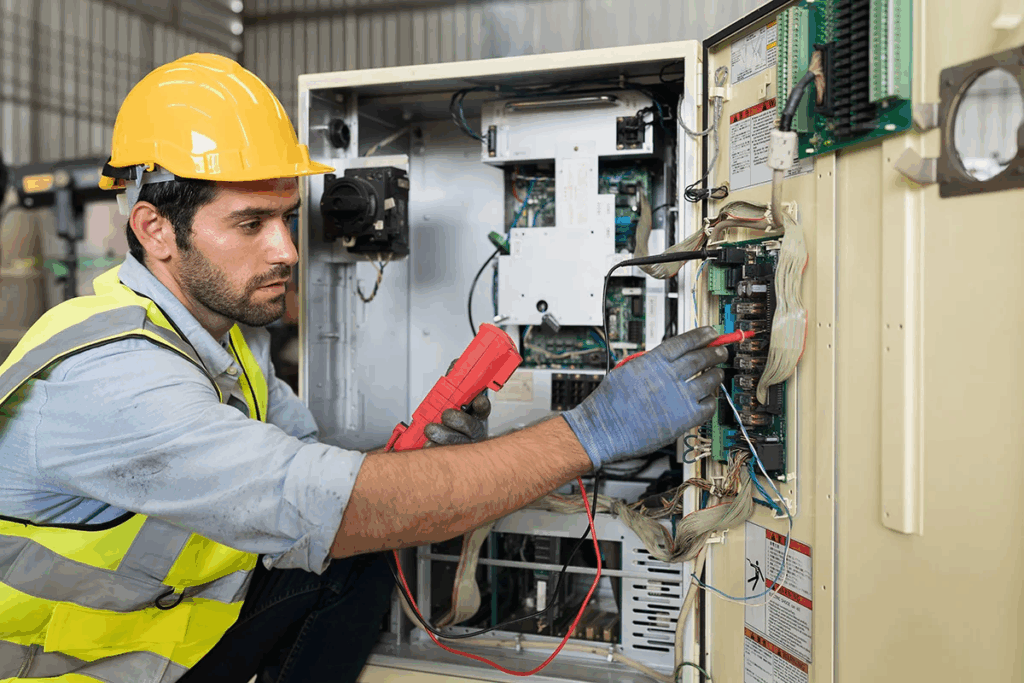
Understanding electrical inspection costs helps homeowners make informed decisions about this crucial safety investment. When compared to the potential costs of electrical problems, inspections represent exceptional value.
Professional Inspection Costs
Electrical inspection costs vary based on several factors but generally represent a minor investment compared to potential benefits:
Standard Inspection Range: Most residential electrical inspections cost between $100-$200 for basic safety assessments.
Comprehensive Inspections: More detailed inspections including thermal imaging and power quality analysis typically range from $300-$500.
Size and Complexity Factors: Larger homes, multiple outbuildings, and complex electrical systems increase inspection costs proportionally.
Geographic Variations: Inspection costs vary by region, with urban areas typically commanding higher rates than rural locations.
Value Proposition Analysis
When viewed as an investment in safety and property protection, electrical inspections offer exceptional returns:
Fire Prevention Value: Preventing a single electrical fire easily justifies decades of regular inspections, with average fire damage exceeding $35,000.
Insurance Benefits: Many insurance companies offer discounts for homes with regular professional electrical inspections, often offsetting inspection costs.
Property Value Protection: Homes with documented electrical safety maintenance often command higher resale values and sell more quickly.
Peace of Mind Value: The confidence that comes from knowing your electrical system is safe provides intangible but significant value for homeowners.
Inspection vs. Emergency Repair Costs
Comparing inspection costs to emergency repair expenses clearly demonstrates the financial wisdom of preventive maintenance:
Emergency Service Premium: Emergency electrical repairs typically cost 150-200% more than the same repairs performed during regular business hours.
Cascade Damage Prevention: Regular inspections identify problems before they cause secondary damage to appliances, electronics, and other electrical components.
Code Compliance Advantage: Proactive inspections allow time to plan and budget for necessary upgrades, avoiding rushed compliance projects that cost significantly more.
DIY Safety Checks vs. Professional Inspections
While homeowners can perform basic electrical safety checks, understanding the limitations of DIY assessment helps illustrate why professional inspections remain essential.
What Homeowners Can Safely Check
Homeowners can perform several basic safety checks that complement but don’t replace professional inspections:
Visual Wire Inspection: Look for frayed, damaged, or exposed wiring in visible areas like basements, attics, and around electrical panels.
Outlet Testing: Test GFCI outlets monthly using test/reset buttons to ensure they’re functioning properly.
Circuit Breaker Assessment: Check that all circuit breakers are properly labeled and that panels aren’t overcrowded with tandem breakers.
Extension Cord Usage: Verify that extension cords aren’t being used as permanent wiring and that they’re not damaged or overloaded.
Appliance Condition: Inspect appliance cords and plugs for damage and ensure proper connections.
Critical Limitations of DIY Inspections
Despite good intentions, homeowner inspections have significant limitations that professional inspections address:
Hidden Problem Detection: Most serious electrical problems occur behind walls or in areas not visible during casual inspection.
Code Knowledge Gaps: Electrical codes are complex and constantly evolving. Homeowners typically lack the knowledge to identify code violations that create safety hazards.
Testing Equipment Limitations: Professional electrical testing requires specialized equipment that most homeowners don’t possess.
Safety Risks: Attempting to inspect energized electrical systems without proper training and equipment can result in serious injury or death.
Liability Issues: DIY electrical work that causes problems may not be covered by insurance if it doesn’t meet professional standards.
The Professional Advantage
Licensed electricians bring crucial advantages to electrical safety inspections:
Comprehensive Training: Professional electricians complete extensive training in electrical theory, safety practices, and code requirements.
Specialized Equipment: Professional inspections use thermal imaging cameras, power quality analyzers, and other advanced diagnostic tools.
Current Code Knowledge: Licensed electricians stay current with evolving electrical codes and safety standards.
Liability Coverage: Professional inspections are typically covered by contractor insurance, providing protection for both inspectors and homeowners.
Repair Capabilities: When problems are identified, professional electricians can immediately address safety hazards rather than simply documenting them.
Choosing the Right Electrical Inspector
Selecting a qualified electrical inspector is crucial for ensuring thorough, accurate assessments of your home’s electrical safety. The right choice can mean the difference between identifying problems early and missing dangerous conditions.
Essential Qualifications to Verify
Before hiring an electrical inspector, verify these critical qualifications:
Proper Licensing: Ensure the inspector holds current electrical contractor licenses required in your jurisdiction. In Wisconsin, verify licensing through the state’s online database.
Insurance Coverage: Confirm that the inspector carries both liability and worker’s compensation insurance to protect against potential accidents or damages.
Continuing Education: Electrical codes change frequently. Quality inspectors maintain current knowledge through ongoing education and training programs.
Professional Affiliations: Membership in professional organizations like the National Electrical Contractors Association (NECA) or International Association of Electrical Inspectors (IAEI) indicates commitment to industry standards.
Local Code Knowledge: Electrical codes can vary by municipality. Choose inspectors familiar with local requirements and enforcement practices.
Questions to Ask Potential Inspectors
Before hiring an electrical inspector, ask these important questions:
Experience Questions:
- How long have you been performing electrical inspections?
- How many residential inspections do you complete annually?
- Do you have experience with homes similar to mine (age, size, electrical system type)?
Process Questions:
- What does your inspection process include?
- Do you use thermal imaging or other advanced diagnostic tools?
- How long does a typical inspection take?
- When will I receive the written report?
Follow-up Questions:
- Can you perform necessary repairs if problems are found?
- Do you provide cost estimates for recommended repairs?
- Are you available for follow-up questions after the inspection?
Red Flags to Avoid
Certain warning signs indicate electrical inspectors who may not provide quality services:
Unusually Low Prices: Extremely low-cost inspections often indicate corners being cut or hidden charges that emerge later.
Door-to-Door Solicitation: Reputable electrical contractors rarely solicit residential inspection business door-to-door.
Pressure Tactics: Avoid inspectors who pressure you to make immediate decisions or sign contracts on the spot.
Cash-Only Transactions: Professional electrical contractors typically accept multiple payment methods and provide proper invoicing.
Unlicensed Operations: Never hire electrical inspectors who can’t provide proof of proper licensing and insurance coverage.
Post-Inspection Action: Making Your Home Safer
An electrical inspection is only valuable if you act on its findings. Understanding how to prioritize and address identified problems ensures maximum safety benefits from your inspection investment.
Understanding Inspection Reports
Professional electrical inspection reports typically categorize findings into different priority levels:
Immediate Hazards: Problems that pose imminent danger require emergency repair before continued electrical system use.
Code Violations: Issues that don’t meet current electrical code standards should be addressed promptly to ensure safety and compliance.
Recommended Upgrades: Improvements that would enhance safety or functionality but aren’t immediately required.
Maintenance Items: Routine maintenance tasks that help prevent future problems.
Prioritizing Repair Needs
When inspection reports identify multiple issues, proper prioritization ensures that the most dangerous problems are addressed first:
Safety-Based Priority: Address issues that pose immediate risk to life and property before cosmetic or convenience items.
Cost-Effectiveness Analysis: Sometimes bundling related repairs can reduce overall costs through efficiency of service calls and material purchases.
Future Planning: Consider how repair decisions fit into longer-term home improvement plans to avoid duplication of effort.
Permit Requirements: Some electrical repairs require permits and inspections, which can affect timing and scheduling.
Working with Qualified Contractors
When inspection reports identify needed repairs, choosing qualified contractors ensures work is completed safely and properly:
Licensing Verification: Just as with inspectors, verify that repair contractors hold proper licensing for electrical work in your area.
Multiple Estimates: For major repairs, obtain estimates from multiple qualified contractors to ensure fair pricing and approach.
Permit Compliance: Ensure contractors obtain necessary permits and schedule required inspections for electrical work.
Warranty Considerations: Quality electrical contractors provide warranties on their work, offering protection against premature failures.
At Advanced Electric LLC, we specialize in thorough electrical inspections that uncover issues before they become hazards. Whether you’re buying, selling, or just ensuring your system is safe, our licensed electricians deliver detailed assessments and honest recommendations. We help keep your home safe, efficient, and up to code.
Call us now for reliable electrical services.
Frequently Asked Questions About Electrical Inspections
Q: How long does a typical residential electrical inspection take?
Most residential electrical inspections take 2-4 hours, depending on the home’s size, age, and complexity of the electrical system. Homes with multiple outbuildings, solar systems, or other specialized electrical equipment may require additional time.
Q: Will the inspector need to turn off power during the inspection?
Some testing procedures may require temporary power interruption, typically lasting only a few minutes per circuit. Inspectors usually coordinate with homeowners to minimize inconvenience and will inform you in advance if extended power outages are necessary.
Q: Can I stay in my home during the electrical inspection?
Yes, you can remain in your home during most electrical inspections. However, you may want to plan for temporary power interruptions and should ensure the inspector has clear access to electrical panels, outlets, and other components.
Q: What should I do if the inspection reveals serious problems?
If immediate safety hazards are identified, follow the inspector’s recommendations about whether it’s safe to continue using your electrical system. For serious problems, you may need to limit electrical usage until qualified repairs can be completed.
Q: Are electrical inspections required by law?
Requirements vary by jurisdiction. Many areas require electrical inspections for real estate transactions, major renovations, or permit-based electrical work. Even when not legally required, regular inspections are strongly recommended for safety.
Q: How much do electrical repairs typically cost after an inspection?
Repair costs vary widely depending on the problems identified. Minor issues like replacing outlets or switches may cost under $200, while major problems like panel upgrades or rewiring can cost several thousand dollars.
Q: Can I perform electrical repairs myself after an inspection?
Some minor electrical work may be permitted for homeowners, but most electrical repairs should be performed by licensed electricians for safety and code compliance reasons. Check local regulations before attempting any electrical work.
Q: Will my insurance company require an electrical inspection?
Many insurance companies require electrical inspections for older homes or homes with known electrical issues. Some companies offer discounts for homes with recent professional electrical inspections.