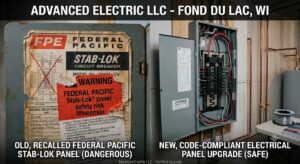
Putting off home repairs might seem like a good idea for your wallet right now, but it often ends up costing you more in the long run. Especially with electrical systems, delaying necessary upgrades can lead to bigger problems, higher bills, and even safety concerns.
Let’s look at why waiting to fix things around the house, especially your electrical setup, can turn into a real headache and how being proactive can save you money and stress.
Key Takeaways
- Delaying electrical upgrades can make existing problems worse, leading to much more expensive repairs later on.
- The price of materials and labor keeps going up, so waiting means you’ll likely pay more for the same work down the road.
- Outdated electrical systems can cause safety issues and might not meet current building rules, potentially leading to fines or legal problems.
- Upgrading your electrical system can boost your home’s value and make it more appealing to buyers, especially in places like Fond du Lac.
- Modern electrical systems handle today’s power needs better, giving you more reliable power and peace of mind.
The Myth: “It Can Wait”
It’s tempting to think that putting off electrical upgrades is a smart way to save money. “If it ain’t broke, don’t fix it,” right? But that approach can backfire, leading to bigger problems down the road.
The idea that you can simply delay these upgrades until it’s more convenient is often a costly misconception.
Higher Maintenance Costs
Delaying upgrades means your older electrical system has to work harder, and that leads to more frequent breakdowns. Think of it like an old car – the older it gets, the more things start to go wrong.
You’ll be constantly patching things up, and those small repairs add up quickly. Plus, finding parts for older systems can be a real headache, driving up the cost even further. Ignoring electrical panel upgrade needs can lead to significant long-term expenses.
Shorter Tenant Retention
Tenants want a safe and reliable living environment. If they’re constantly dealing with flickering lights, overloaded circuits, or other electrical issues, they’re not going to be happy. And unhappy tenants don’t stick around.
High tenant turnover means lost rental income, plus the added expense of finding new tenants. It’s much easier (and cheaper) to keep your current tenants happy with a modern, reliable electrical system.
Increased Liability Risks
Outdated electrical systems are a safety hazard. They’re more likely to cause fires, electrocution, and other accidents. If someone gets hurt due to your outdated wiring, you could be facing a lawsuit.
Even if no one gets hurt, you could still be liable for property damage. It’s a risk that’s simply not worth taking. A proactive approach to electrical safety can save you from potential legal troubles.
Lights flicker, outlets overload, and appliances struggle—all signs your home needs electrical upgrades fast.
Advanced Electric LLC offers expert electrical upgrades that bring your system up to today’s standards. Whether you’re renovating your home or adding new appliances, we ensure your wiring, panels, and outlets can handle it all safely. Our team follows every safety guideline and uses the latest tools to boost efficiency and reliability.
Escalating Repair Costs
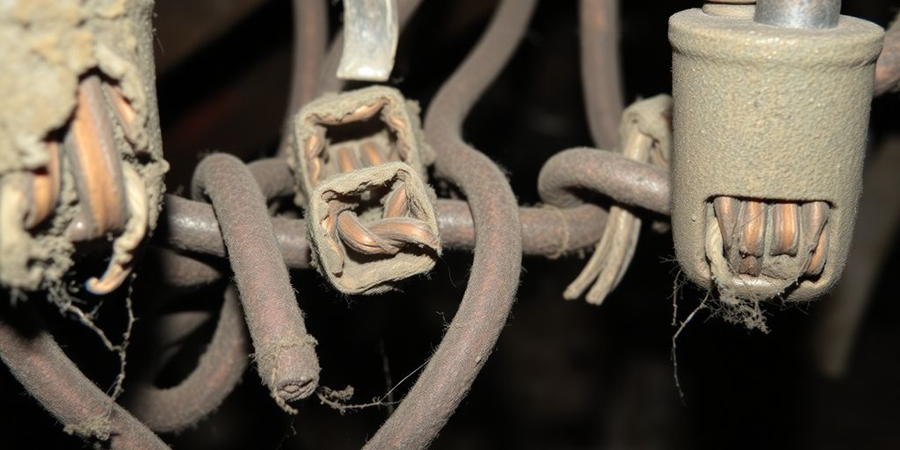
It’s easy to think that a small electrical issue isn’t a big deal. A flickering light, a warm outlet – they seem minor, right? But ignoring these things can really come back to bite you. The longer you wait, the more expensive the repairs become.
Why Costs Grow Exponentially
Think of it like a snowball rolling downhill. A small problem with your electrical system can quickly lead to bigger, more expensive issues. For example:
- A loose wire can cause arcing, which can damage the wiring and even start a fire.
- Overloaded circuits can damage appliances and shorten their lifespan.
- Ignoring cost to replace electrical wiring can lead to complete system failure, requiring a full replacement.
The Real Cost of Holding On to an Outdated Panel
An outdated electrical panel is like an old car – it might still run, but it’s probably not running efficiently, and it’s more likely to break down. Plus, it might not be able to handle the demands of modern appliances and electronics.
Replacing it might seem expensive upfront, but consider the alternative:
- Frequent repairs
- Higher energy bills
- Potential fire hazards
- Reduced home value
How to Spot the Warning Signs Early
Being proactive is key to preventing costly electrical repairs. Here are some warning signs to watch out for:
- Flickering lights
- Warm outlets or switches
- Burning smells
- Frequently tripped circuit breakers
- Visible damage to wiring or outlets
If you notice any of these signs, it’s important to call a qualified electrician right away. Don’t wait until the problem gets worse and more expensive to fix.
Material and Labor Inflation
It’s easy to think you’re saving money by putting off electrical upgrades, but have you considered inflation? Construction costs, especially for materials, have been all over the place lately. Delaying these projects can really mess with your budget.
What This Means for Your Budget
Waiting to renovate often means paying more for the same materials, done in the same way. It’s a simple concept, but it’s easy to overlook. Think about it: the price you see today might not be the price you see tomorrow.
For example, vinyl plank flooring that costs $2.50/sq ft today might jump to $3.40/sq ft next year. That adds up quickly, especially in larger properties. It’s important to consider the cost of electrical panel upgrades when planning your budget.
Labor Shortages and Shipping Disruptions
Labor shortages are still a problem, which means delayed projects often cost more to staff later. Plus, shipping disruptions continue to affect lead times and bulk ordering discounts. It’s a double whammy!
You’re paying more for labor and potentially missing out on savings from bulk purchases.
- Labor shortages drive up costs.
- Shipping delays increase lead times.
- Bulk discounts become harder to secure.
Delaying renovations might seem like a good way to save money today, but it can cost you a lot more in the long run. It’s better to plan ahead and budget for these expenses than to be caught off guard by rising costs.
The Rising Cost of Materials
Between 2020 and 2023, some materials rose in cost by over 35%, according to data from the National Association of Home Builders. That trend hasn’t fully reversed. This means that the materials you need for your electrical upgrades are likely to be more expensive now than they were a few years ago, and they could continue to rise in price.
It’s a good idea to get quotes from multiple suppliers and factor in potential price increases when planning your budget.
Legal and Compliance Risks
There’s a big difference between making a place look nicer and doing the repairs that need to happen. Putting off updates that affect safety or following the rules can get you into legal trouble. It’s more than just a headache; it can really cost you.
Examples of Costly Delays
- Imagine an outdated electrical system that doesn’t meet current codes. That’s a problem waiting to happen.
- Or leaky plumbing leading to mold? Not good for anyone’s health, and definitely not legal.
- Think about slippery stairs or broken railings. Someone could get hurt, and you could be liable.
- Insufficient ventilation? Broken HVAC? These are more than just inconveniences; they can violate habitability standards.
Fines and Legal Fees
Ignoring these issues can lead to some serious financial hits:
- Fines from city inspections are no fun. They add up fast.
- Legal fees from tenant claims can be even worse. No one wants to deal with a lawsuit.
- And if a court orders repairs? You’re paying for the repairs, plus the legal costs, and you’re probably rushing to get it done, which means higher prices. Homeowners in Ontario should understand permit requirements to avoid these issues.
Court-Ordered Repairs
Delaying critical updates isn’t just expensive; it can land you in court. This is a risk you really don’t want to take. It’s always better to be proactive than reactive when it comes to legal and compliance issues.
Ignoring problems doesn’t make them go away; it just makes them more expensive and complicated to deal with later.
Opportunity Cost: Missed Value Creation
Putting off electrical upgrades isn’t just about avoiding immediate costs; it’s also about missing out on opportunities to increase the value and appeal of your property. Think of it this way: while you’re delaying, you’re potentially losing money and falling behind the competition.
It’s like choosing to drive an old car when you could have a new one that’s more efficient and reliable. Let’s look at some specific ways you might be missing out.
Higher Rents Due to Improved Finishes
Upgrading your electrical panel can allow for modern amenities that tenants are willing to pay more for. Think about it: if your property can support things like high-speed internet, smart home devices, and modern appliances, you can justify charging higher rents.
Tenants are often willing to pay a premium for updated features and a more comfortable living experience. It’s a simple equation: better features equal higher rents.
Increased Home Value for Future Resale
An outdated electrical system can be a major turnoff for potential buyers. On the other hand, a modern, up-to-code system can significantly increase your home’s value. Buyers want to know that they won’t have to deal with electrical problems down the road, and they’re willing to pay more for that peace of mind.
Think of it as an investment in your property’s future. Plus, a modern system can handle all the latest technology, making your home more attractive to tech-savvy buyers. Don’t underestimate the impact of electrical panel upgrades on resale value.
Tenant Turnover and Satisfaction
It’s easy to underestimate how much tenant satisfaction impacts your bottom line. Happy tenants stay longer, and that means less time and money spent finding new ones. Deferring upgrades, especially electrical ones, can lead to a slow decline in tenant happiness.
Let’s look at how this plays out.
Inconsistent Maintenance Leads to Non-Renewal
One of the biggest reasons tenants decide not to renew their lease is inconsistent maintenance. It’s frustrating to deal with recurring issues, especially when they seem to be ignored. Think about it: a flickering light, outlets that don’t work, or an old, unreliable electrical panel can be a constant source of annoyance.
Tenants want a safe and functional living space, and if they don’t get it, they’ll look elsewhere. Delaying tenant improvements might seem like a short-term cost-saving, but it can lead to long-term losses due to increased turnover.
Impact on Tenant Experience
The overall tenant experience is heavily influenced by the condition of the property. A well-maintained property signals that you care about your tenants and are invested in their comfort.
On the other hand, outdated or poorly functioning electrical systems can create a negative impression. This can manifest in several ways:
- Frequent power outages
- Inability to use multiple appliances simultaneously
- Concerns about safety
The Cost of Vacancy
Vacancy is expensive. Beyond the lost rental income, there are costs associated with marketing the property, screening new tenants, and preparing the unit for occupancy. These costs can quickly add up, especially if you’re dealing with frequent turnover.
Consider these factors:
- Advertising costs
- Screening and background check fees
- Cleaning and repair expenses
- Lost rental income during vacancy
Why Electrical Panel Upgrades Are a Smart Investment in Fond du Lac
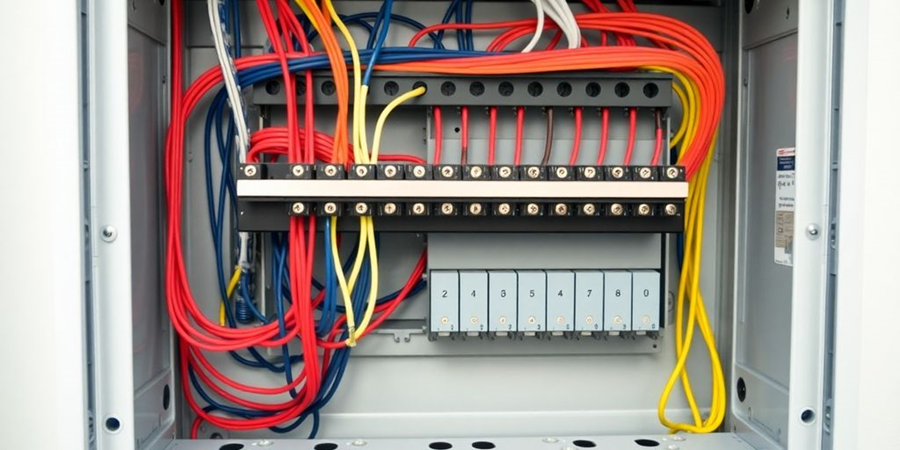
Let’s face it, thinking about electrical panel upgrades isn’t exactly thrilling. But in Fond du Lac, putting it off can really cost you. It’s not just about keeping the lights on; it’s about safety, value, and peace of mind. Ignoring old house electrical problems Fond du Lac can lead to bigger headaches down the road.
Safe and Reliable Power Distribution
An upgraded panel ensures your home gets the power it needs, safely and consistently. No more flickering lights when you run the microwave!
A modern panel is designed to handle the demands of today’s appliances and electronics, providing a stable and reliable power supply throughout your home. This is especially important with the increasing number of devices we rely on daily.
Compliance with Current Safety Codes
Outdated electrical systems often don’t meet current safety standards. Upgrading your panel brings your home into compliance, reducing the risk of electrical fires and other hazards.
Think of it as an investment in home electrical safety inspection and protection for your family. Plus, it avoids potential issues during a home sale.
Increased Home Value
While it might not be the flashiest upgrade, a new electrical panel can significantly increase your home’s value. Buyers appreciate knowing that the electrical system is up-to-date and can handle modern demands.
It’s a selling point that shows you’ve taken care of the benefits of electrical modernization in Fond du Lac, and your home is ready for the future. It’s a smart move for long-term value.
Upgrading your electrical panel is more than just a repair; it’s an investment in your home’s safety, functionality, and value. It addresses potential hazards, ensures reliable power, and adds to your home’s appeal for future buyers.
Here’s a quick look at how an upgrade can impact your home’s value:
- Reduces the risk of electrical fires.
- Provides capacity for modern appliances.
- Meets current safety codes.
- Increases buyer confidence.
Delay Is More Expensive Than Action
Putting off electrical upgrades might seem like a good idea for now, but it almost always ends up costing you more. Whether it’s higher energy bills, appliances breaking down, or even safety issues, waiting just makes things worse.
At Advanced Electric LLC, we provide professional electrical upgrades to bring your system up to today’s standards. Whether it’s upgrading your panel, replacing outdated circuits, or adding capacity for new appliances, we ensure every upgrade is done safely and efficiently. Our licensed electricians assess your property’s current setup and recommend the right solutions to boost performance and reliability.
Call us right now to get started.
Frequently Asked Questions
Why is delaying electrical upgrades a bad idea?
Putting off electrical upgrades might seem like a good idea to save money now, but it often leads to bigger bills later. You could face higher repair costs, more unhappy tenants, and even legal trouble. It’s like ignoring a small leak; it will eventually become a big flood.
How do small electrical issues become big problems?
When you put off fixing small electrical problems, they tend to get worse and more expensive. For example, a minor wiring issue could lead to a fire hazard, requiring much more costly repairs or even a full panel replacement. It also means your home isn’t as safe as it could be.
Do electrical repair costs really go up over time?
Yes, they do. The cost of materials like copper and other electrical parts can go up. Also, there might be fewer skilled workers available, which means labor costs can increase. So, waiting usually means you’ll pay more for the same job down the road.
What are the legal risks of not upgrading my electrical system?
If your electrical system isn’t up to code, you could face fines from the city or county. If something goes wrong, like a fire, your insurance might not cover it, or you could even be sued. It’s important to keep your home safe and legal.
How does an electrical upgrade improve my home’s value and use?
A modern electrical system allows you to use all your devices without problems, like charging electric cars or running a home office. It also makes your home more attractive to buyers and can even increase its value. Think of it as an investment in your home’s future.
Why is an electrical panel upgrade a smart move for homes in Fond du Lac?
An electrical panel upgrade in Fond du Lac makes your home safer by handling modern power needs. It helps you follow current safety rules, which is good for your family and for selling your home later. Plus, it can boost your home’s overall value.