Thinking about making your home a bit more modern and safer? You’re in the right place. Our homes today use way more electricity than they used to, with all our gadgets and smart devices.
This means our old electrical systems might not be up to the task. Getting some Residential Electrical Upgrades done can really make a difference.
It’s not just about having enough plugs; it’s about keeping your family safe, saving some money on bills, and getting your house ready for the future. We’ll go over ten important upgrades that can help you do just that.
Key Takeaways of Top 10 Residential Electrical Upgrades for Modern Homes
- Upgrading your electrical panel is a big step for safety and handling modern power needs.
- Rewiring can prevent issues and support new technology in older homes.
- Smart lighting and energy-efficient appliances help save money and make life easier.
- Adding more outlets and surge protection keeps your devices safe and accessible.
- Regular electrical inspections are important for finding and fixing potential problems.
1. Electrical Panel Upgrade
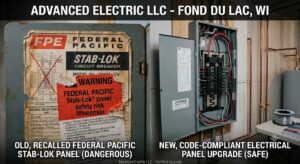
Is your home’s electrical panel struggling to keep up with all your gadgets and appliances? You’re not alone.
Modern homes use way more electricity than they used to, and that can put a strain on older electrical panels.
I remember when my parents’ house kept tripping breakers every time they used the microwave and the air conditioner at the same time. It was a total pain!
Upgrading your electrical panel is a great way to make sure your home can handle the power demands of modern life. Think about it: big appliances, smart devices, and maybe even an electric vehicle charger.
All that stuff needs a lot of juice. An older panel might not be up to the task, leading to annoying breaker trips or, worse, electrical hazards.
Getting a new electrical panel installed isn’t exactly a fun weekend project, but it’s an investment in your home’s safety and functionality. It can also increase your home’s value, which is always a plus.
Here’s why you might want to consider an electrical panel upgrade:
- Increased Capacity: A new panel can handle more electricity, so you can run all your devices without worrying about overloads.
- Improved Safety: Newer panels have better safety features, like arc fault circuit interrupters (AFCIs), which can help prevent electrical fires.
- Future-Proofing: Upgrading your panel prepares your home for future electrical needs, like adding solar panels or an EV charger.
It’s a good idea to talk to a qualified electrician about whether an electrical panel upgrade is right for your home. They can assess your current electrical needs and recommend the best solution for your situation. Plus, they’ll make sure everything is installed safely and up to code.
2. Wiring Upgrade
Okay, so you’re thinking about upgrading your home’s wiring? Smart move! It’s not the most glamorous upgrade, but it’s super important for safety and keeping up with today’s tech.
Older wiring can be a real hazard, and it might not be able to handle all the gadgets and appliances we use now.
Upgrading your home’s wiring is a critical step towards ensuring safety and accommodating modern electrical demands.
Think about it: old aluminum wiring or outdated insulation can lead to electrical fires or shocks. Plus, if you’re planning on adding smart home devices or energy-efficient appliances, you’ll need wiring that can handle the load.
It’s like giving your house a much-needed electrical system overhaul.
I remember when my neighbor’s old wiring caused a small fire. Luckily, they caught it in time, but it was a wake-up call for everyone on the block.
That’s when I realized how important it is to keep your wiring up-to-date.
Here are a few things to consider when thinking about a wiring upgrade:
- Safety First: Old wiring can be a fire hazard. Replacing it with modern, safer materials is a must.
- Increased Capacity: Modern homes use way more electricity than older homes. Upgrading your wiring ensures you have enough power for all your devices.
- Future-Proofing: If you’re planning on adding smart home tech or electric vehicle chargers, you’ll need to make sure your wiring can handle it. Consider dodgy wiring replacement.
- Home Value: Upgrading your wiring can increase your home’s value, especially if you’re planning on selling it in the future.
It might seem like a big project, but trust me, the peace of mind is worth it. Plus, you’ll be able to use all your gadgets without worrying about blowing a fuse every five minutes. It’s a win-win!
3. Lighting Upgrades
Okay, so lighting might not be the sexiest upgrade, but trust me, it makes a huge difference.
I remember when we switched out all the old bulbs in our place – it was like night and day (pun intended!). It’s not just about seeing better; it’s about setting the mood and saving some cash too.
Upgrading your lighting can transform a space. It’s amazing how different a room feels with the right kind of light. Plus, it’s a relatively easy project that can have a big impact on your home’s overall vibe.
Here’s what I’ve learned:
- LEDs are your friend. Seriously, they use way less energy and last forever. I’m talking years. Plus, they don’t get all hot like those old incandescent bulbs. You can cut costs on your electricity bill by switching to LEDs.
- Dimmers are a game-changer. Being able to adjust the brightness is awesome. Movie night? Dim the lights. Need to see what you’re doing? Crank ’em up. It’s all about control.
- Consider smart lighting. I know, I know, everything’s “smart” these days. But being able to control your lights with your phone or voice is pretty cool. Plus, you can set schedules and stuff. You can even get sensor lights that turn on when you walk into a room.
And don’t forget about the outside! Good outdoor lighting is important for safety and security. Motion-sensor lights are great for deterring unwanted visitors.
Plus, it’s nice to be able to see where you’re going when you get home after dark. Home stagers suggest using warm or “soft white” light bulbs with lower Kelvin ratings for a less harsh ambiance compared to high-intensity “daylight” bulbs.
4. Energy-Efficient Appliances
Appliances are a big part of our daily energy consumption. Think about it: refrigerators running 24/7, washing machines, dishwashers, and air conditioners all sucking up electricity.
Upgrading to energy-efficient models can make a difference, not just for your wallet, but also for the environment.
Energy-efficient appliances are designed to use less power while performing the same tasks. This means lower electricity bills and a smaller carbon footprint.
Plus, they often come with cool new features and better performance. It’s a win-win!
I remember when we replaced our old fridge with an ENERGY STAR-certified model. The difference in our electricity bill was noticeable almost immediately.
It’s a simple change that adds up over time.
Here are a few things to consider when upgrading:
- Look for the ENERGY STAR label: This means the appliance meets strict energy efficiency standards.
- Consider long-term savings: While the initial cost might be higher, the savings on your energy bill will pay off in the long run. Energy-efficient kitchen appliances are a great investment.
- Check for rebates and incentives: Many utility companies offer rebates for purchasing energy-efficient appliances.
Upgrading your appliances is a smart move for your home and the planet. It’s an investment that keeps on giving!
5. Smart Home Technology
Okay, so smart home tech, right? It’s not just a fad; it’s changing how we live. I remember when having a remote control for the TV felt futuristic.
Now, we’re talking about controlling everything from our phones. It’s wild.
Integrating smart home technology is one of the best upgrades you can make. It’s about convenience, sure, but also about saving money and making your home safer.
Think about it: you can adjust your thermostat from work, see who’s at the door when you’re on vacation, and even turn off lights you accidentally left on.
Here’s a quick rundown of what’s out there:
- Smart lighting systems
- Smart thermostats
- Smart security systems
- Smart door locks
I’ve been looking into intelligent household gadgets myself. The idea of having everything connected is appealing, but I’m also a little worried about the learning curve.
I’m not the most tech-savvy person, but I’m willing to give it a shot. I mean, who wouldn’t want to control their entire house with their voice?
It’s not just about the gadgets themselves, though. It’s about how they all work together.
That’s where the real magic happens. Imagine your lights dimming automatically when you start a movie, or your thermostat adjusting based on the weather forecast. It’s pretty cool stuff.
6. Ground Fault Circuit Interrupters
Okay, so let’s talk about GFCIs. You know those outlets with the little ‘test’ and ‘reset’ buttons? Those are Ground Fault Circuit Interrupters, and they’re way more important than you might think.
They’re designed to protect you from electrical shock, especially in areas where water is present. Think bathrooms, kitchens, outdoors – anywhere electricity and water could potentially mix.
GFCIs work by monitoring the current flowing through a circuit. If it detects that some of the current is going somewhere it shouldn’t (like through you!), it trips the circuit super fast, cutting off the power and preventing a potentially deadly shock.
It’s like a tiny, super-sensitive bodyguard for your electrical system. I remember when we had our old house rewired, the electrician insisted on putting GFCIs everywhere near water.
At the time, I thought it was overkill, but now I get it. Peace of mind is worth a lot, you know?
Here are a few reasons why you should consider upgrading to GFCI outlets:
- Safety First: They prevent electrical shocks, especially in wet locations.
- Code Compliance: Many areas now require GFCIs in specific locations.
- Added Protection: They offer an extra layer of safety for your family and guests.
Installing GFCIs is a relatively simple and inexpensive upgrade that can significantly improve the safety of your home’s electrical system. It’s one of those things you do and hope you never need, but you’ll be glad it’s there if something goes wrong.
It’s also worth noting that the GFCI receptacles are constantly evolving. What was considered safe 20 years ago might not meet today’s standards.
The National Electrical Code (NEC) gets updated every few years, and it’s always a good idea to stay current with the latest recommendations. While these changes don’t always impact existing structures, it’s a good idea to upgrade, especially if you’re doing any major renovations.
Think of it as preventative maintenance for your family’s safety.
7. Surge Protection
Okay, so, surge protection. It’s one of those things you don’t think about until BAM, your TV is fried. Seriously, with all the gadgets we have these days, it’s more important than ever.
Power surges can come from anywhere – lightning, the power company, or even just turning on a high-powered appliance. And they can ruin your stuff.
- Point-of-use surge protectors: These are the power strips with surge protection. Good for smaller stuff, like lamps and phone chargers.
- Panel surge protectors: These are installed in your electrical panel and protect your whole house. A whole-house surge protector is a good idea.
- Appliance surge protectors: Some appliances have built-in surge protection, but it’s usually not enough. You can buy separate surge protectors for things like your fridge or washing machine.
I remember when my neighbor’s house got hit by lightning.
Fried everything. TV, computer, and even the microwave. He didn’t have surge protection. Cost him a fortune to replace everything. Don’t be like my neighbor.
Think of it like this: your electronics are delicate. They don’t like getting zapped with extra electricity. Surge protection is like a shield, deflecting those surges and keeping your stuff safe.
It’s a small investment that can save you a lot of money and hassle in the long run. You can also look into home surge protection systems for added security.
Here’s a quick rundown of what you might spend:
| Type of Surge Protector | Average Cost |
| Power Strip | $15 – $50 |
| Panel Surge Protector | $70 – $700 |
| Appliance Protector | $20 – $100 |
So, yeah, surge protection. Get some. You won’t regret it. It’s like insurance for your electronics. And who doesn’t like insurance?
8. Electrical Safety Inspection
Okay, so you’ve been thinking about all these cool electrical upgrades, right? But before you dive in, seriously consider getting a professional electrical safety inspection.
I know, it sounds boring, but trust me, it’s super important. Think of it like a check-up for your house’s electrical system.
An electrical safety inspection can identify potential hazards before they become major problems.
It’s easy to overlook small electrical issues, but they can quickly turn into big, expensive, and dangerous situations. A qualified electrician can spot these problems and help you fix them before they cause any real damage.
Here’s why it’s a good idea:
- Peace of Mind: Knowing your electrical system is safe is worth a lot.
- Insurance Requirements: Some insurance companies require inspections.
- Early Problem Detection: Catching issues early saves money in the long run.
It’s a smart move to keep your home and family safe. Plus, it can help you avoid unexpected electrical emergencies down the road.
9. Electrical Service Panel Upgrade
So, you’re thinking about upgrading your electrical service panel? Good move! It’s not the most glamorous home improvement, but it’s super important, especially with all the gadgets and appliances we use these days.
Older homes, in particular, might be struggling with outdated panels that just can’t keep up. Let’s get into it.
Upgrading your electrical service panel is a critical step in ensuring your home can safely and efficiently handle modern electrical demands.
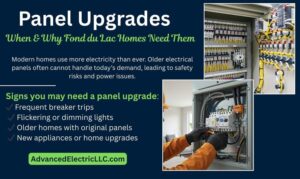
Think of your electrical panel as the heart of your home’s electrical system. If it’s old or undersized, it’s like having a clogged artery. You might experience frequent tripped breakers, flickering lights, or even potential fire hazards. Not fun!
- Increased Safety: Prevents overloads and reduces the risk of electrical fires.
- Handles Modern Demands: Supports the higher energy needs of today’s appliances and electronics.
- Future-Proofing: Prepares your home for future upgrades, like EV chargers or solar panels.
Upgrading your electrical service panel isn’t just about convenience; it’s about safety and ensuring your home can handle the electrical load of modern living. It’s an investment that pays off in peace of mind and functionality.
Now, I know what you’re thinking: how much does this thing cost? Well, electrical panel upgrades can vary quite a bit depending on the size of your home, the complexity of the job, and where you live. But trust me, it’s worth getting a few quotes and doing it right.
You don’t want to skimp on something that’s so crucial to your home’s safety and functionality. Plus, a new panel can let you replace inefficient gas appliances with electric alternatives, or give you the electrical overhead to charge electric vehicles.
Think about it: are you constantly battling tripped breakers?
Do you want to add an electric car charger?
Is your current panel looking a little rusty and outdated? If you answered yes to any of these, it’s probably time to consider an upgrade.
It’s one of those things you’ll be glad you did, especially when you can run your air conditioner, microwave, and TV all at the same time without blowing a fuse. It’s all about that modern living, baby!
10. Additional Outlets
Ever find yourself fighting over the one outlet behind the couch? Or maybe you’re constantly unplugging lamps to charge your phone?
Adding more outlets can seriously improve your daily life. It’s all about convenience and safety.
Think about it: how many times have you relied on power strips because you just didn’t have enough places to plug things in? Power strips are okay in a pinch, but they’re not a long-term solution.
Overloading them can be a fire hazard, and they’re just plain unsightly. More outlets mean fewer power strips and a safer, tidier home.
Consider these points when planning your new outlets:
- Location, location, location: Think about where you need power. Kitchen counters, bedside tables,and home offices – these are all prime spots.
- Dedicated circuits: For high-power appliances, like microwaves or hair dryers, a dedicated circuit is a must. This prevents tripped breakers and ensures your appliances get the power they need.
- USB outlets: These are a game-changer for charging phones and tablets. No more searching for those little charging blocks!
Adding outlets isn’t just about convenience; it’s about modernizing your home and making it more functional for the way you live. It’s a relatively small investment that can make a big difference in your daily routine.
And speaking of modernizing, have you seen the trend of hidden outlets? They’re perfect for a clean, minimalist look.
No more ugly outlets ruining your carefully curated decor! They can be discreetly installed in cabinets, beneath counters, or designed as pop-up units that seamlessly integrate with your decor.
This trend not only elevates the visual appeal of a room but also offers convenient access to power, helping you create a serene environment free from distractions.
Here’s a quick look at the cost breakdown:
| Item | Estimated Cost | Notes |
| Standard Outlet | $3 – $5 | Basic outlet, suitable for most general purposes. |
| USB Outlet | $15 – $25 | Includes USB ports for charging devices. |
| Tamper-Resistant Outlet | $5 – $10 | Safer for homes with children. |
| Installation (per outlet) | $50 – $100 | Varies depending on location and complexity of the job. |
Wrapping Things Up about the Residential Electrical Upgrade
So, there you have it. We’ve gone over some of the best electrical upgrades for your home. Keeping your electrical system up-to-date isn’t just about having cool new gadgets. It’s also about keeping your family safe and making your daily life a bit easier.
Things like modern panels, better outlets, and smart lighting can make a big difference. Don’t wait until something goes wrong to think about these things.
A little planning now can save you a lot of headaches later. If you’re not sure where to start, talking to a pro is always a good idea. They can help you figure out what your home needs most.
Frequently Asked Questions
Why should I upgrade my home’s electrical system?
Upgrading your electrical system makes your home safer, more efficient, and ready for new technology. It helps prevent electrical fires, saves you money on energy bills, and lets you use modern gadgets without worry.
How much do electrical upgrades usually cost?
The cost varies a lot depending on what you’re upgrading. Simple things like adding outlets are cheaper than big jobs like replacing your main electrical panel or rewiring your whole house. It’s best to get a few quotes from electricians.
Can I do these electrical upgrades myself?
For safety reasons, most electrical work, especially anything involving the main panel or new wiring, should be done by a trained and licensed electrician. Small tasks like changing a light fixture might be okay for a DIYer, but always be careful.
How do I know if my electrical system needs an upgrade?
Signs include flickering lights, frequently tripped breakers, outlets that don’t work, strange burning smells, or if your home is over 20-30 years old and hasn’t had any electrical updates.
What’s the main benefit of upgrading my electrical panel?
An electrical panel upgrade boosts your home’s power capacity, allowing it to handle more appliances and modern electronics safely. This is super important for older homes that weren’t built for today’s power needs.
Will these upgrades save me money on my energy bills?
Yes, many electrical upgrades, like switching to LED lighting or installing energy-efficient appliances, can significantly lower your monthly electricity bills. Smart home tech can also help you manage energy use better.
Call us right now to get started.