When the temperatures drop, your lights, heating systems, and appliances work overtime and even a small electrical issue can quickly turn into a major headache. Over the years, I’ve seen how winter weather can really push a home’s electrical system to its limits across Fond du Lac and the surrounding Wisconsin areas.Common issues during the colder months include overloaded circuits, flickering lights, tripped breakers, and outdated wiring struggling to keep up with increased demand.
That’s why it’s essential to make sure your Electrical System for Winter Weather is ready long before the first snowstorm hits. In this complete guide, I’ll walk you through the key steps to protect your home, boost energy efficiency, and keep your family safe through the cold months.
1. Why Preparing Your Electrical System for Winter Weather Matters
Winter puts tremendous pressure on your home’s wiring and devices. Space heaters, holiday lights, electric blankets, and furnaces all draw extra power. If your system isn’t maintained, you risk blown circuits, power outages, or even electrical fires.
At Advanced Electric LLC, we’ve handled countless emergency calls during freezing months that could have been prevented with a few simple checks.
A well-prepared Electrical System for Winter Weather ensures:
-
Safe operation of all devices
-
Lower energy costs due to efficiency improvements
-
Peace of mind, knowing your system won’t fail in extreme cold
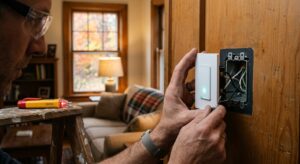
2. Inspect and Upgrade Your Wiring Before the Freeze
Old or damaged wiring becomes more brittle in cold temperatures. If your home hasn’t had an electrical inspection in the last few years, now’s the time to schedule one.
During winter prep jobs, I often find frayed insulation, loose connections, or outdated panels that can’t handle modern loads. Upgrading these components before winter ensures your circuits stay stable when you need them most.
Pro Tip: If you notice flickering lights or a burning smell near outlets, contact a licensed electrician immediately. It’s often a sign of hidden wiring damage.
3. Check Your Electrical Panel and Circuit Breakers
Your electrical panel is the heart of your home’s system. In winter, increased heating demands can overload circuits if they’re not properly rated or maintained.
At advancedelectricllc.com, we always recommend testing all circuit breakers before winter arrives. Replace any breakers that feel loose or trip frequently. Also, consider labeling your circuits; it makes troubleshooting much easier during a power issue.
If your home still uses an outdated fuse box or a low-amp service, upgrading to a modern panel (at least 200 amps) can improve both safety and efficiency during high-usage months.
4. Protect Outdoor Outlets and Wiring
Outdoor outlets and extension cords are often exposed to moisture and freezing temperatures. Always use weatherproof covers and GFCI outlets (Ground Fault Circuit Interrupters) to prevent electrical shocks and corrosion.
Inspect all outdoor lighting, especially holiday decorations, to ensure cords aren’t cracked or frayed. Only use outdoor-rated extension cords and unplug them during heavy snow or rain.
A quick inspection by a professional from advancedelectricllc.com can save you from costly repairs later in the season.
5. Inspect and Service Heating Systems
Electric furnaces, heat pumps, and radiant floor systems consume large amounts of power. Before the cold sets in, make sure these systems are running efficiently.
Have your heating circuits tested for load capacity and proper grounding. Dirty or poorly maintained systems draw more current, increasing your bills and stressing your wiring.
If you’re upgrading your heating system, ask your electrician to check that your wiring and breaker capacity can handle the load safely.
6. Install Surge Protection for Winter Power Spikes
Winter storms often cause sudden power surges and outages. Installing whole-home surge protection is one of the smartest investments you can make.
It safeguards your expensive appliances, heating units, and electronics from voltage spikes caused by grid fluctuations or lightning. Think of it as a shield that keeps your system stable even when external power conditions aren’t.
7. Use Smart Thermostats and Energy-Saving Devices
Modern homes can benefit from smart electrical upgrades that help save energy. A smart thermostat, for instance, optimizes heating cycles and reduces unnecessary energy waste.
Pairing it with LED lighting the best energy-saving bulbs for home use can significantly cut down winter energy bills. LEDs don’t just provide better illumination; they also run cooler and last longer than traditional bulbs, making them perfect for both indoor and outdoor winter lighting setups.
8. Prevent Ice Damage and Power Loss
Winter storms can cause ice buildup on power lines and outdoor fixtures. Trim any overhanging branches near your home’s service line to prevent them from snapping under the weight of snow and ice.
If your power goes out frequently, consider installing a backup generator. But remember generators must be installed safely with a proper transfer switch to prevent backfeeding electricity into utility lines.
9. Schedule a Professional Winter Electrical Inspection
Even if everything seems fine, a certified electrician can catch issues you might miss. At Advanced Electric LLC, We offer full electrical upgrade services, including detailed inspections and solutions tailored to your home’s needs
-
Panel and circuit load testing
-
Outlet and switch safety checks
-
Outdoor wiring assessments
-
Surge and grounding protection review
A small maintenance visit can save you from expensive repairs and keep your home safe all winter long.
Protect Your Home This Winter – Get Expert Electrical Help Today
Your Complete Guide to Preparing Your Electrical System for Winter Weather isn’t just about avoiding problems, it’s about creating a safer, more efficient, and worry-free home environment.
As an electrician who’s seen how winter can challenge even well-built systems, I can confidently say preparation makes all the difference.
If you’re in Fond du Lac, WI, or nearby areas and want expert help preparing your Electrical System for Winter Weather, contact Advanced Electric LLC today. Let’s make sure your home stays safe, warm, and powered all season long.
FAQs
1. How often should I have my electrical system inspected?
Ans: Ideally, every 2–3 years. But before each winter, a quick professional checkup ensures your system can handle seasonal demands safely.
2. Are space heaters safe to use during winter?
Ans: Yes, but only when used correctly. Plug them directly into wall outlets (never power strips), and avoid running them overnight or near flammable materials.
3. Do LED lights work well in cold weather?
Ans: Absolutely. LEDs actually perform better in colder temperatures and use less power, making them ideal for winter lighting setups.
4. What are signs my electrical panel needs an upgrade?
Ans: Frequent tripping, flickering lights, or warm breakers are common indicators that your system may be overloaded.
5. Can I install surge protection myself?
Ans: It’s best left to a licensed electrician. Proper surge protection requires correct panel installation and grounding.