Introduction: Your Home’s Electrical Needs in 2025
Your home’s electrical system is more complex than ever before. With the rise of smart home technology, electric vehicle charging, and energy-efficient solutions, homeowners need reliable electrician services to maintain safe, functional, and modern electrical systems. Understanding the full range of electrical services available helps you make informed decisions about your home’s electrical needs.
The average cost to hire an electrician is $348, with most homeowners spending between $163 and $536. However, the value of professional electrical services extends far beyond initial costs. Proper electrical work ensures safety, prevents costly repairs, and can significantly increase your home’s value and efficiency.
This comprehensive guide explores every aspect of electrician services homeowners need in 2025, from essential safety inspections to cutting-edge smart home installations. Whether you’re dealing with an electrical emergency or planning future upgrades, understanding these services empowers you to protect your family and investment.
Understanding Modern Electrician Services
The Evolution of Electrical Services
The electrical services industry has transformed dramatically. Today’s electricians handle everything from traditional wiring to sophisticated smart home systems, renewable energy integration, and electric vehicle charging infrastructure. Modern electrical services encompass:
Traditional Electrical Work:
- Wiring installation and repair
- Panel upgrades and maintenance
- Outlet and switch installation
- Lighting fixture installation
Modern Technology Services:
- Smart home device installation
- Energy monitoring systems
- Electric vehicle charging stations
- Solar panel electrical connections
Safety and Compliance Services:
- Electrical safety inspections
- Code compliance upgrades
- Emergency repairs
- Preventive maintenance
Why Professional Electrician Services Matter
Electrical work carries significant risks that require professional expertise. The U.S. electrician industry reports that proper installation and maintenance prevent thousands of electrical fires annually. Professional electricians provide:
Safety Assurance: Licensed electricians follow National Electrical Code (NEC) standards, ensuring installations meet safety requirements.
Code Compliance: Electrical work must comply with local and national codes. Professional electricians understand current regulations and ensure compliance.
Insurance Protection: Many insurance policies require professional electrical work. DIY electrical work can void coverage and create liability issues.
Long-term Value: Professional installations last longer, perform better, and add value to your home.
Essential Electrical Safety Services
Electrical Safety Inspections
A standard electrical safety inspection costs $100 to $200 on average for a complete check of the home’s electrical system. These inspections are crucial for identifying potential hazards before they become dangerous or costly problems.
What Safety Inspections Include:
Professional electricians examine every component of your electrical system:
- Electrical panels and circuit breakers
- Wiring condition and capacity
- Outlet and switch functionality
- GFCI and AFCI protection
- Grounding systems
- Surge protection devices
When You Need Safety Inspections:
Regular electrical safety inspections are recommended every 3-5 years, but certain situations require immediate attention:
- Home purchases or sales
- Before major renovations
- After severe weather events
- When experiencing electrical problems
- For homes over 25 years old
Signs You Need Professional Electrical Services
Homeowners should watch for warning signs that indicate electrical problems requiring professional attention:
Immediate Concerns:
- Burning smells from outlets or panels
- Sparks when using switches or outlets
- Frequently tripping circuit breakers
- Flickering or dimming lights
- Warm outlet covers or switch plates
Progressive Issues:
- Rising electricity bills without explanation
- Insufficient outlets for modern needs
- Outdated electrical panels
- Two-prong outlets throughout the house
- Extension cords used as permanent solutions
Emergency Electrical Services
Electrical emergencies require immediate professional response. Emergency electrical services provide rapid response when you need it most, typically available 24/7 for critical situations.
Common Electrical Emergencies:
- Complete power outages
- Electrical fires or smoke
- Exposed wiring
- Electric shock incidents
- Storm damage to electrical systems
Emergency Response Process:
- Immediate safety assessment
- Power isolation if necessary
- Hazard identification and containment
- Temporary repairs for safety
- Comprehensive repair planning
Emergency services typically cost more than standard service calls, but they prevent further damage and ensure family safety.
Electrical Panel Services
Understanding Your Electrical Panel
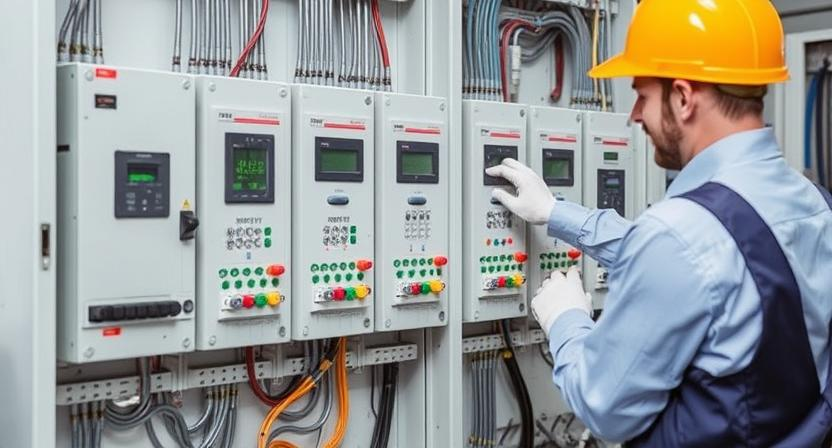
Your electrical panel is the heart of your home’s electrical system. Modern panels typically provide 200 amps of power, while older ones may supply only 100 or even 60 amps. Panel services include upgrades, repairs, and maintenance to ensure adequate power distribution.
Panel Upgrades and Replacements
When Panel Upgrades Are Necessary:
Many homes require panel upgrades to meet modern electrical demands:
- Insufficient capacity for current appliances
- Outdated panels that don’t meet current codes
- Safety concerns with older panel types
- Home additions requiring additional circuits
- Electric vehicle charging installation
Panel Upgrade Process:
Professional panel upgrades involve several steps:
- Electrical load calculation to determine required capacity
- Permit acquisition from local authorities
- Utility coordination for service disconnection
- Old panel removal and disposal
- New panel installation and connection
- Circuit testing and inspection
- Final approval from building inspectors
The average cost to replace an electrical panel ranges from $850 to $2,500, depending on the size, amperage, and complexity of the installation.
Circuit Breaker Services
Circuit breakers protect your home’s electrical circuits from overloads. Professional electricians provide:
Circuit Breaker Installation:
- Adding new circuits for appliances
- Upgrading existing breaker capacity
- Installing specialized breakers (GFCI, AFCI)
Circuit Breaker Repair:
- Replacing faulty breakers
- Troubleshooting tripping issues
- Testing breaker functionality
Circuit Analysis:
- Load calculations for proper sizing
- Circuit mapping and labeling
- Capacity planning for future needs
Wiring and Rewiring Services
Home Wiring Services
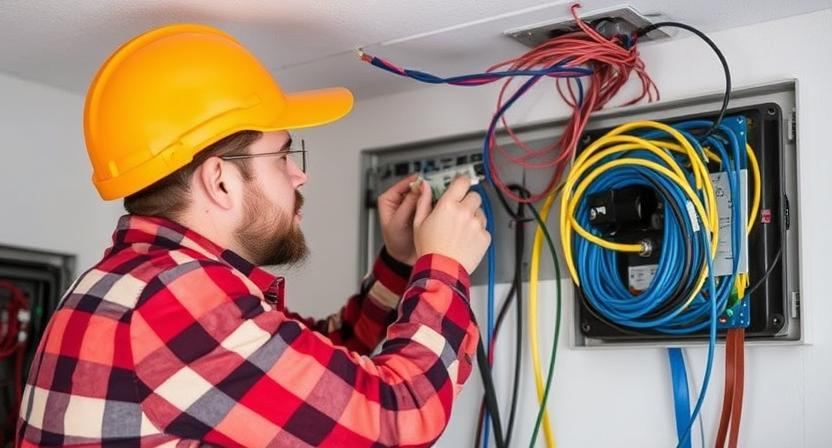
Electrical wiring forms the backbone of your home’s electrical system. Professional wiring services ensure safe, efficient power distribution throughout your property.
New Construction Wiring:
The average cost to wire a new house is $4 to $9 per square foot, or $6,000 to $22,500 for a 1,500 to 2,500 square foot home. New construction wiring includes:
- Rough-in wiring during construction
- Outlet and switch placement planning
- Circuit design for optimal performance
- Code compliance throughout installation
Rewiring Existing Homes:
Older homes often require rewiring to meet modern safety standards and electrical demands:
- Knob and tube wiring replacement
- Aluminum wiring upgrades
- Capacity increases for modern appliances
- Safety improvements with GFCI/AFCI protection
Specialty Wiring Services
Low-Voltage Wiring:
- Structured wiring for communications
- Security system wiring
- Audio/video system wiring
- Smart home device connectivity
High-Voltage Wiring:
- 240V appliance circuits
- Electric vehicle charging circuits
- Air conditioning and heating systems
- Pool and spa electrical systems
Outlet and Switch Services
Outlet Installation and Upgrades
Modern homes require various outlet types to meet safety codes and convenience needs.
Standard Outlet Services:
- New outlet installation: $150-$350
- Outlet replacement: $80-$200
- USB outlet installation: $200-$350
- Dedicated appliance outlets: $250-$500
GFCI Outlet Services:
GFCI (Ground Fault Circuit Interrupter) outlets are required in bathrooms, kitchens, garages, and outdoor areas. These outlets protect against electrical shock by quickly shutting off power when they detect ground faults.
GFCI Installation Locations:
- All bathroom outlets
- Kitchen countertop outlets
- Outdoor outlets
- Garage outlets
- Basement outlets
- Pool and spa areas
AFCI Protection:
AFCI (Arc Fault Circuit Interrupter) protection prevents electrical fires by detecting dangerous electrical arcs. The 2025 electrical codes expand AFCI requirements to additional areas of the home.
Switch Installation and Upgrades
Switch Types and Services:
- Standard single-pole switches: $100-$200
- Three-way switches: $150-$300
- Dimmer switches: $150-$250
- Smart switches: $200-$400
- Motion sensor switches: $175-$350
Smart Switch Benefits:
- Remote control capability
- Scheduling and automation
- Energy usage monitoring
- Integration with smart home systems
- Voice control compatibility
Lighting Services
Lighting Installation Services
Professional lighting installation enhances your home’s functionality, safety, and aesthetic appeal.
Interior Lighting Services:
- Ceiling fixture installation: $133-$414
- Recessed lighting: $150-$300 per fixture
- Under-cabinet lighting: $250-$500
- Chandelier installation: $300-$800
- Track lighting systems: $200-$600
Exterior Lighting Services:
- Security lighting: $150-$400 per fixture
- Landscape lighting: $100-$300 per fixture
- Motion sensor lights: $200-$450
- Decorative lighting: $175-$500
Smart Lighting Systems
Smart lighting represents the future of home illumination, offering unprecedented control and efficiency.
Smart Lighting Benefits:
- Energy efficiency through LED technology and automation
- Convenience with smartphone and voice control
- Security enhancement with automated scheduling
- Customization with dimming and color options
Smart Lighting Components:
- Smart bulbs and fixtures
- Smart switches and dimmers
- Lighting control systems
- Integration with home automation
Professional electricians ensure proper installation and configuration of smart lighting systems for optimal performance and longevity.
Smart Home Electrical Services
The Smart Home Revolution
By 2025, an estimated 75 billion devices will be connected globally, with smart home technology becoming increasingly mainstream. Professional electricians play a crucial role in installing and maintaining these sophisticated systems.
Smart Home Device Installation
Popular Smart Home Devices:
Smart Thermostats:
- Remote temperature control
- Energy usage optimization
- Learning capabilities for automatic adjustments
- Integration with HVAC systems
Smart Security Systems:
- Video doorbells with smartphone connectivity
- Security cameras with cloud storage
- Smart locks with remote access
- Motion sensors and alarms
Smart Entertainment Systems:
- Whole-house audio systems
- Smart TV installations
- Automated lighting for entertainment areas
- Universal remote systems
Smart Electrical Panel Technology
Smart electrical panels represent the next evolution in home electrical management, offering real-time monitoring and control of your home’s electrical usage.
Smart Panel Features:
- Real-time energy monitoring to track usage patterns
- Remote control capability for circuit management
- Load balancing for optimal efficiency
- Integration with renewable energy systems
- Emergency backup coordination with generators
Smart panel costs range from $1,500 to $5,000+ depending on features and installation complexity, but many homeowners find the long-term benefits justify the investment.
Home Automation Integration
Professional electricians ensure seamless integration of smart devices into your home’s electrical system:
Integration Services:
- Network planning and setup
- Device configuration and testing
- System integration and automation
- User training and support
- Ongoing maintenance and updates
Electrical Code Compliance and Updates
Understanding Electrical Codes
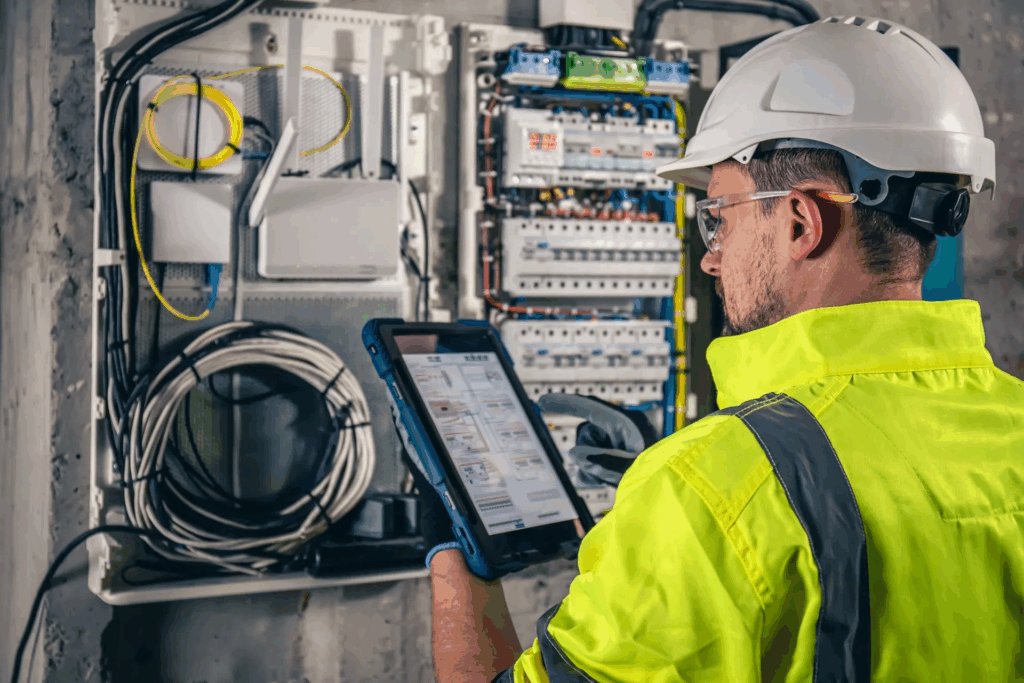
The National Electrical Code (NEC) codifies the minimum requirements for safe electrical installations. The code is updated every three years to reflect technological advances and safety improvements.
2025 Code Updates
The latest electrical code updates introduce several significant changes affecting homeowner services:
Expanded GFCI Requirements: GFCI protection for appliances has been expanded to include wall-mounted ovens, counter-mounted cooking units, clothes dryers, and microwave ovens.
Enhanced AFCI Protection: Increased Arc-Fault Protection requirements now cover additional areas to reduce fire risks throughout the home.
EV Charging Infrastructure: New homes must include provisions for electric vehicle charging, with dedicated circuits and appropriate wiring.
Smart Home Readiness: Homes must include provisions for future smart device integration, ensuring easier upgrades and installations.
Code Compliance Services
Professional electricians ensure your electrical system meets current codes:
Compliance Assessment:
- Code violation identification
- Safety hazard evaluation
- Upgrade requirement analysis
- Cost estimation for corrections
Compliance Upgrades:
- GFCI/AFCI installation
- Grounding system improvements
- Panel and wiring upgrades
- Permit acquisition and inspections
Energy Efficiency and Green Electrical Services
Energy-Efficient Electrical Solutions
Modern electrician services include energy-efficient solutions that reduce consumption and costs:
LED Lighting Conversion:
- Significant energy savings compared to traditional bulbs
- Longer lifespan reducing maintenance costs
- Better light quality and control options
- Compatibility with smart home systems
Energy Monitoring Systems:
- Real-time usage tracking
- Identification of energy waste
- Cost analysis and optimization
- Integration with utility programs
Efficient Appliance Circuits:
- Dedicated circuits for energy-efficient appliances
- Proper sizing for optimal performance
- Smart controls for automated efficiency
Renewable Energy Integration
Solar Panel Electrical Services:
- Electrical connections for solar arrays
- Grid-tie inverter installation
- Net metering setup
- Battery backup system integration
Electric Vehicle Charging:
- Level 2 charging station installation
- Electrical capacity upgrades
- Smart charging system integration
- Load management solutions
Electrical Maintenance Services
Preventive Maintenance Programs
Regular electrical maintenance prevents problems before they occur, saving money and ensuring safety.
Annual Maintenance Services:
- Electrical system inspection
- Panel and breaker testing
- GFCI/AFCI functionality testing
- Connection tightening and cleaning
- Load analysis and capacity planning
Maintenance Benefits:
- Prevent costly repairs through early problem detection
- Ensure safety by identifying hazards before they become dangerous
- Improve efficiency through proper system maintenance
- Extend equipment life with regular care and cleaning
Troubleshooting and Diagnostic Services
Professional electricians use advanced diagnostic tools to identify electrical problems:
Diagnostic Tools:
- Thermal imaging cameras for heat detection
- Power quality analyzers
- Circuit tracers for wire location
- Load monitors for capacity analysis
Common Troubleshooting Services:
- Intermittent electrical problems
- Power quality issues
- Circuit overloading analysis
- Voltage fluctuation diagnosis
Commercial vs. Residential Electrical Services
Residential Electrical Service Focus
Residential electrician services focus on home safety, comfort, and convenience:
Residential Priorities:
- Family safety and code compliance
- Energy efficiency and cost savings
- Convenience and smart home integration
- Aesthetic considerations and home value
Residential Service Characteristics:
- Smaller scale projects
- Focus on comfort and convenience
- Integration with home systems
- Aesthetic considerations important
When You Need Specialized Services
Some electrical projects require specialized expertise:
Complex Smart Home Systems:
- Whole-house automation
- Integrated security systems
- Advanced entertainment systems
- Commercial-grade installations
High-Voltage Applications:
- Pool and spa electrical systems
- Workshop and garage upgrades
- Outdoor lighting systems
- Generator installations
Emergency Preparedness and Backup Power
Generator Services
Backup power systems provide security during outages and emergencies.
Generator Types:
- Portable generators for temporary power
- Standby generators for automatic backup
- Whole-house systems for complete coverage
- Transfer switches for safe generator connection
Generator Installation Process:
- Power requirement assessment
- Generator sizing and selection
- Transfer switch installation
- Fuel system setup (gas or propane)
- Electrical connections and testing
- Permit and inspection completion
Generator installation costs vary from $3,000 to $15,000+ depending on size and complexity.
Surge Protection Services
Whole-House Surge Protection:
- Protection from lightning strikes
- Utility power surge protection
- Electronic device protection
- Insurance requirement compliance
Point-of-Use Surge Protection:
- Individual device protection
- Specialized equipment protection
- Sensitive electronics safeguarding
- Computer and entertainment system protection
Choosing the Right Electrician Services
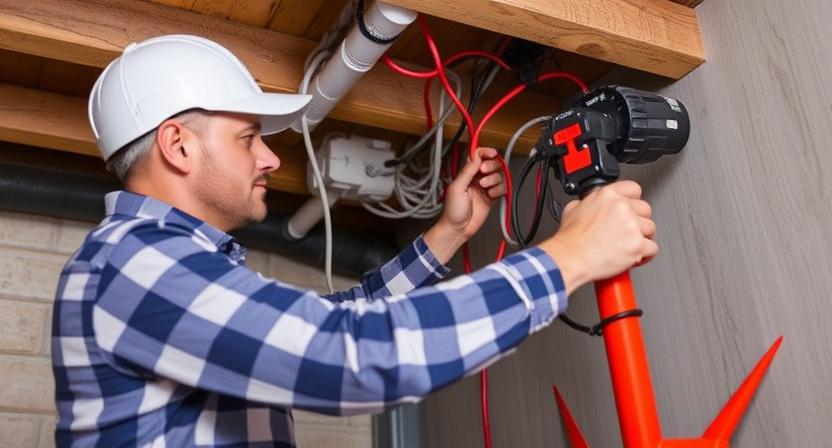
Evaluating Electrician Qualifications
Essential Qualifications:
- Valid electrical license for your area
- Current liability insurance
- Workers’ compensation coverage
- Better Business Bureau rating
- Customer reviews and references
Experience Levels:
- Apprentice electricians ($30-$50/hour) for basic tasks
- Journeyman electricians ($50-$80/hour) for most residential work
- Master electricians ($80-$120/hour) for complex projects
Getting Quality Service
Red Flags to Avoid:
- Unlicensed contractors
- Door-to-door solicitors
- Extremely low quotes
- Cash-only payment requirements
- No written estimates or contracts
- Pressure to sign immediately
Quality Indicators:
- Detailed written estimates
- Clear communication
- Professional appearance and equipment
- References from recent customers
- Warranty on work performed
- Prompt response to inquiries
Cost Considerations and Value
Understanding Electrical Service Pricing
Electrician hourly rates are $50 to $130, with a $100 to $200 service call fee covering the first hour. However, pricing varies based on several factors:
Pricing Factors:
- Project complexity and time requirements
- Material costs and quality
- Local labor rates and market conditions
- Emergency vs. scheduled service
- Permit and inspection requirements
Maximizing Value from Electrical Services
Cost-Saving Strategies:
- Bundle multiple projects together
- Schedule during off-peak times
- Prepare work areas in advance
- Consider energy-efficient upgrades
- Plan for future electrical needs
Value-Added Services:
- Energy audits and efficiency recommendations
- Smart home consultations
- Preventive maintenance programs
- Emergency service agreements
- Warranty coverage on work performed
Future Trends in Electrical Services

Emerging Technologies
Electric Vehicle Integration:
- Home charging infrastructure
- Load management systems
- Smart charging capabilities
- Grid integration technologies
Advanced Smart Home Systems:
- Artificial intelligence integration
- Predictive maintenance systems
- Enhanced security and monitoring
- Voice and gesture control
Energy Storage Solutions:
- Home battery systems
- Grid-tie storage
- Backup power integration
- Renewable energy optimization
Preparing for the Future
Future-Proofing Your Home:
- Adequate electrical capacity planning
- Smart home infrastructure preparation
- Energy-efficient system selection
- Flexible wiring and panel design
Professional electricians help homeowners prepare for future technological advances while meeting current needs safely and efficiently.
Conclusion: Investing in Professional Electrical Services
When you’re ready to enhance your home’s electrical system, contact Advanced Electric LLC for professional electrician services in the Fond du Lac area. Our experienced team provides comprehensive electrical solutions, from emergency repairs to smart home installations, ensuring your electrical system meets modern demands safely and efficiently.
Whether you need emergency electrical services, residential electrical work, or commercial electrical solutions, Advanced Electric LLC has the expertise and commitment to excellence that Wisconsin homeowners trust.
Contact us right now for the best electrical services in Fond du Lac, WI.
Frequently Asked Questions
Q: How often should I have my electrical system inspected?
A: Electrical safety inspections are recommended every 3-5 years for most homes, or more frequently for older homes (25+ years) or after significant electrical work.
Q: When do I need a permit for electrical work?
A: Most electrical work requires permits, especially for new installations, panel upgrades, and major repairs. Your electrician should handle permit applications and coordinate inspections.
Q: Can I install smart home devices myself?
A: While some smart devices are DIY-friendly, many require professional installation for safety and optimal performance. Complex smart home systems always need professional installation.
Q: How do I know if my electrical panel needs upgrading?
A: Consider panel upgrades if you have frequent breaker trips, insufficient circuits for your needs, an older panel (25+ years), or plans for major appliances or EV charging.
Q: What’s the difference between GFCI and AFCI protection?
A: GFCI protection prevents electrical shock by detecting ground faults, while AFCI protection prevents electrical fires by detecting dangerous electrical arcs. Modern codes require both types of protection in different areas.
Q: How much does it cost to rewire a house?
A: House rewiring costs vary widely based on size and complexity, typically ranging from $8,000 to $30,000+ for complete rewiring. Partial rewiring costs less but depends on the scope of work needed.