Living in Fond du lac means dealing with a lot of weather, which can sometimes mean power surges. You know, those sudden jolts of electricity that can mess with your stuff? It’s easy to think it only happens during big storms, but honestly, surges can pop up for all sorts of reasons, even from things inside your own house. Lac
That’s why protecting your Home Appliance Fond du lac setup is pretty important. Let’s talk about why surge protectors are a good idea, especially now.
Key Takeaways
- Power surges, caused by weather or internal appliance activity, can harm your electronics.
- Surge protectors act as a shield, diverting extra electricity away from your devices.
- Using surge protectors can prevent costly repairs and extend the life of your appliances.
- Look for joule ratings and clamping voltage when picking out a surge protector.
- Investing in surge protection offers peace of mind for your Fond du lac home.
Understanding Power Surges and Their Impact on Home Appliances
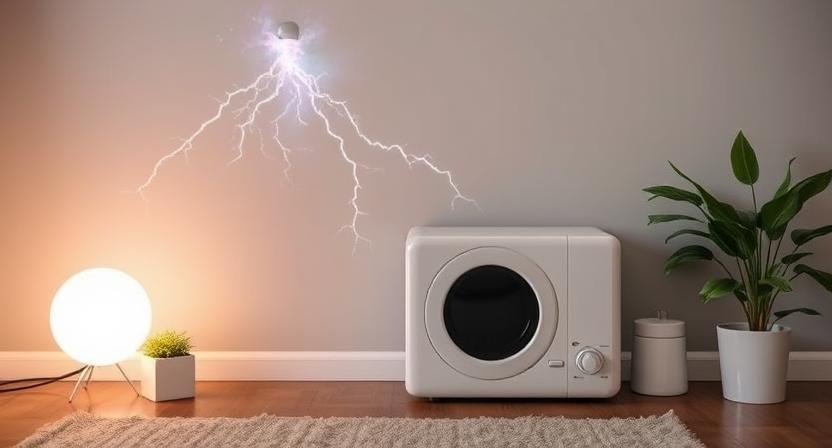
Think of your home’s electrical system like a road designed for a specific amount of traffic. A power surge is like a sudden, massive traffic jam – way more voltage than your appliances are built to handle.
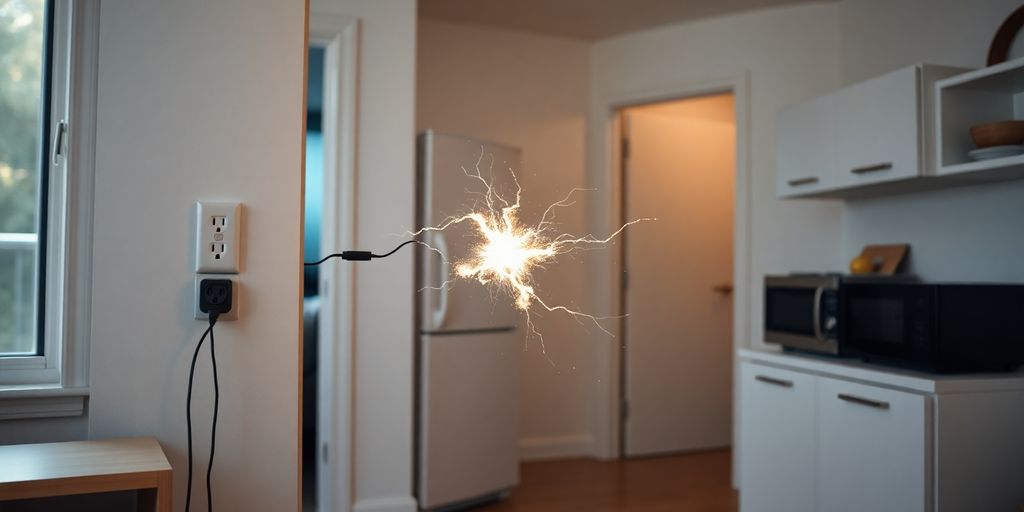
These unwelcome jolts can come from outside, like a lightning strike or issues with the power grid, or even from inside your own home. Big appliances like your air conditioner or even your refrigerator kicking on can cause smaller, internal surges.
The Impact on Your Home
When a surge hits, it’s not just a minor inconvenience. It can fry sensitive circuits in your TV, computer, or even your smart fridge. This can lead to anything from a flickering screen to a completely dead appliance.
For those who work from home, a surge can mean losing critical data stored on their computers, which is a real headache. Plus, these surges can degrade your home’s wiring over time, increasing the risk of electrical fires. It’s a serious issue that affects the longevity and safety of your home.
- External Causes: Lightning strikes, utility company switching, downed power lines.
- Internal Causes: Appliances cycling on/off (AC, refrigerators), overloaded circuits.
- Consequences: Appliance malfunction, data loss, fire hazards, shortened appliance lifespan.
What is a Surge Protector and How Does it Work?
So, you’ve probably heard the term “surge protector” thrown around, maybe when buying a new TV or setting up a home office. But what exactly is this thing, and how does it actually keep your gadgets safe? It’s not as complicated as it sounds, really.
The Science Behind Surge Protection
Think of your home’s electrical system like a river. Normally, the water flows at a steady, predictable level. That’s your standard voltage. A “surge,” however, is like a sudden, massive flood – a rapid spike in voltage that can overwhelm everything in its path. These surges can happen for a bunch of reasons.
Sometimes it’s a lightning strike miles away, other times it’s the power company switching grids, or even just a big appliance in your own house, like an air conditioner, kicking on or off. These unexpected jolts can seriously damage or even destroy the sensitive electronics inside your appliances.
A surge protector acts like a dam or a spillway for this electrical flood. It sits between your devices and the power source. When the voltage stays within the normal range, the surge protector lets the electricity flow through without issue. But if it detects a sudden spike, it diverts that extra electricity away from your connected devices.
This diversion usually happens in one of two ways: either the excess energy is absorbed by special components within the protector, or it’s safely shunted to the ground wire. This process safeguards your electrical devices by limiting those voltage spikes.
Key Components of a Surge Protector
While surge protectors can look like simple power strips, they have some important internal parts that do the heavy lifting:
- Metal Oxide Varistors (MOVs): These are the most common components. MOVs are like little voltage-sensitive sponges. When the voltage is normal, they don’t do much. But when voltage spikes, they instantly become conductive, absorbing the excess energy and sending it to the ground.
- Gas Discharge Tubes (GDTs): These are another type of component that can handle larger surges. They contain a gas that ionizes when the voltage gets too high, creating a path for the excess current to flow to the ground.
- Silicon Avalanche Diodes (SADs): Similar to MOVs, these semiconductor devices also conduct electricity when voltage exceeds a certain level, diverting the surge.
The effectiveness of a surge protector is often measured by its “joule rating” and “clamping voltage.” A higher joule rating means it can absorb more energy before failing, and a lower clamping voltage indicates it starts diverting the surge at a lower, safer voltage level. It’s important to pick one that matches the needs of your electronics.
So, basically, a surge protector is a smart gatekeeper for your electricity, making sure only the right amount of power reaches your valuable electronics. It’s a pretty simple concept, but it makes a huge difference in protecting your stuff from those nasty power spikes.
The Crucial Benefits of Surge Protectors for Your Fond du Lac Home
When you think about protecting your home in Fond du Lac, you probably focus on things like locks and security systems. But what about the invisible threats to your valuable stuff? Power surges are a real problem, and they can do a number on your electronics. Having the right surge protection is like putting a shield around your expensive gadgets.
Protecting Expensive Electronics and Appliances
Let’s face it, modern homes are packed with electronics. From your big-screen TV and gaming consoles to your smart refrigerator and coffee maker, these items represent a significant investment.
A sudden power surge, whether from a lightning strike or even just the utility company switching power, can send a jolt of electricity that fries delicate circuits. This means you could be looking at costly repairs or even needing to replace entire appliances.
Preventing Data Loss and Corruption
It’s not just about physical damage. For anyone working from home or with a lot of digital information, power surges can be a nightmare for data. Imagine your computer crashing mid-save during a surge.
You could lose hours of work, important documents, or precious family photos. Surge protectors help keep your data safe by preventing the sudden shutdowns and electrical spikes that lead to corruption.
Reducing the Risk of Electrical Fires
This is a big one. While we often think of surges damaging electronics, they can also be a fire hazard. Overloaded circuits or damaged wiring, often exacerbated by power spikes, can overheat and ignite.
A good surge protector diverts that excess energy, making your home a safer place. It’s a simple step that significantly lowers the risk of electrical fires, which can be devastating.
Extending the Lifespan of Your Home Appliances
Even if a surge doesn’t immediately destroy an appliance, repeated smaller surges can degrade its internal components over time. Think of it like constantly bumping a delicate machine – eventually, it’s going to wear out faster than it should.
By using surge protectors, you’re smoothing out those voltage fluctuations, which helps your appliances run more efficiently and last longer. This means you get more years out of your washer, dryer, and other major items, saving you money in the long run.
When you’re looking to safeguard your home, consider whole-home surge protection services. It’s a more comprehensive approach to keeping your electrical system safe.
Choosing the Right Surge Protector for Your Needs
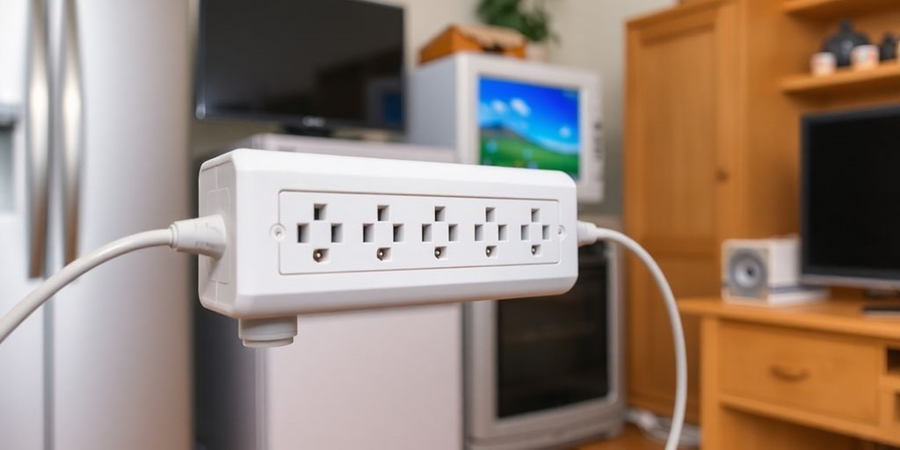
So, you’ve decided to get a surge protector, which is a smart move. But walking into a store or browsing online, you’ll see a bunch of options. How do you pick the right one? It’s not as complicated as it might seem. Understanding a few key specs will make all the difference.
Understanding Joules and Clamping Voltage
When you’re looking at surge protectors, you’ll see numbers like “joules” and “clamping voltage.” These are important. Think of joules as the protector’s capacity to absorb a power surge. The higher the joule rating, the more energy it can handle before it starts to fail.
For most homes, a rating between 1,000 and 2,000 joules is a good starting point for protecting your main electronics.
Clamping voltage is also key. This is the voltage level at which the surge protector starts to divert excess electricity away from your devices. A lower clamping voltage is generally better, meaning it will kick in sooner to protect your gear. Look for clamping voltages of 400 volts or less. It’s a good idea to check out some electrical surge protection tips to get a clearer picture.
Here’s a quick rundown of what to look for:
- Joules: Higher is better. Aim for at least 1000 joules for everyday electronics.
- Clamping Voltage: Lower is better. Look for 400V or less.
- Number of Outlets: Make sure it has enough spots for all your devices, plus a couple extra for future needs.
- Warranty: Some protectors come with warranties that cover connected equipment, which is a nice bonus.
When you’re trying to protect multiple appliances, you might even consider a whole-home surge protector. These are installed directly into your electrical panel and offer protection for your entire house.
If you’re thinking about this route, it’s often best to consult with an electrician to make sure it’s installed correctly and is compatible with your home’s wiring.
Investing in Peace of Mind for Your Fond du Lac Residence
Protecting Your Fond du Lac Residence
When you think about safeguarding your home, you probably consider locks on doors and maybe a security system. But what about the invisible threats to your appliances and electronics? Power surges, often caused by lightning or even just the grid cycling power, can silently wreak havoc on your expensive gadgets.
Investing in surge protection isn’t just about preventing damage; it’s about securing your peace of mind. It’s a proactive step towards ensuring your Fond du lac appliance safety and overall Fond du lac home safety tips.
The Value of Whole-Home Protection
While those power strips with multiple outlets are handy, they only protect the devices plugged directly into them. Many of your most expensive appliances – like your HVAC system, oven, or even your smart refrigerator – are hardwired directly into your home’s electrical panel. These are the items that often cost the most to replace.
Whole-home surge protection acts as a primary defense, installed at your main electrical panel, offering a blanket of protection for every circuit in your house. This means your washing machine, your electric dryer, and even your electric vehicle charger are all covered. It’s a smart move for comprehensive Fond du Lac appliance safety.
Peace of Mind and Long-Term Savings
Think about the cost of replacing a high-end television, a computer, or a major kitchen appliance. The expense can be significant, not to mention the hassle. Surge protectors offer a cost-effective way to avoid these potentially massive repair or replacement bills.
By preventing even a single major surge event from damaging your electronics, a whole-home surge protector can easily pay for itself. It’s an investment that provides ongoing security, reducing the stress of worrying about the next storm or power fluctuation. For reliable, professional electrical service, consider looking into options for whole-home surge protection in Fond du Lac.
Key Benefits Summarized
- Prevents Damage to Electronics: Shields sensitive components from voltage spikes.
- Protects Major Appliances: Covers hardwired items like HVAC, ovens, and washers/dryers.
- Reduces Replacement Costs: Avoids expensive repairs or outright replacements.
- Offers Long-Term Security: Provides continuous protection for your entire home.
Ultimately, investing in surge protection is about more than just protecting your stuff. It’s about the quiet confidence that comes from knowing your home and your belongings are shielded from common electrical hazards. It’s a simple step that brings significant peace of mind.
Wrapping Up: Protecting Your Home’s Electronics
So, when you think about it, keeping your home and all your gadgets safe from power surges really comes down to taking a simple step. Power surges can happen for all sorts of reasons, from storms outside to just your fridge kicking on.
They can really mess with your expensive electronics, leading to costly repairs or even needing to buy new stuff. Using surge protectors, whether it’s a whole-house system or just a few good power strips, is a smart move. It’s a small price to pay to avoid big headaches and keep your appliances running smoothly for years to come. Don’t wait for a surge to happen; get protected now.
Contact us right now for reliable electrical services.
Frequently Asked Questions
How does a surge protector work?
Think of a surge protector like a bouncer for electricity. When too much power tries to rush into your appliances, the surge protector stops the extra power and sends it somewhere safe, like the ground.
What causes power surges?
Power surges can happen for many reasons! Sometimes, it’s big things like lightning hitting nearby or the electric company switching power. Other times, it’s smaller things inside your house, like when your air conditioner or a big appliance turns on, causing a sudden jump in power.
Do I need surge protectors for my kitchen appliances?
Yes, absolutely! Appliances like refrigerators, washing machines, and even your fancy coffee maker have delicate electronic parts that can be easily ruined by power surges.
What’s the difference between a whole-home surge protector and a regular one?
A whole-home surge protector is installed right where the electricity enters your house, at the main breaker box. It protects everything connected to power in your entire home.
What do ‘joules’ and ‘clamping voltage’ mean on a surge protector?
The joule rating tells you how much energy the surge protector can handle before it stops working. A higher joule number means it can protect against bigger surges. Clamping voltage is the level of voltage that starts to trigger the protection.
How can surge protectors save me money?
Using surge protectors is a smart way to save money in the long run. Instead of paying for expensive repairs or replacements when a surge fries your electronics, you just buy a relatively inexpensive surge protector.