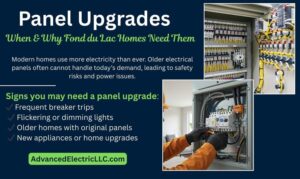
If your electrical panel is over 25 years old, frequently trips breakers, shows burn marks, or can’t handle modern appliances, you need an upgrade immediately. Ignoring these signs risks electrical fires, property damage, and family safety.
What Is an Electrical Panel and Why Does It Matter?
Your electrical panel, also called a breaker box, service panel, or distribution panel, serves as the central nervous system of your home’s electrical infrastructure. This critical component receives power from your utility company and safely distributes it throughout your house via individual circuits that power everything from lights and outlets to major appliances.
Here’s what you need to understand: your electrical panel contains safety devices (circuit breakers or fuses) that automatically shut off power when circuits become overloaded, preventing dangerous conditions that could lead to electrical fires. When these safety systems fail or become inadequate for your home’s needs, you face serious risks.
Modern Wisconsin homes typically require 200-amp electrical service to handle today’s electrical demands, yet many older homes still operate on outdated 60-100 amp systems that were never designed for contemporary appliances, electronics, and lifestyle needs.
At Advanced Electric LLC, we provide expert electrical panel upgrades in Wisconsin to keep your home or business safe and running efficiently. Our licensed electricians replace outdated panels with modern systems built to handle today’s power demands. Whether you’re adding appliances or planning a renovation, we ensure everything runs smoothly and safely.
The Critical Importance of Electrical Panel Safety
Electrical panels that fail to function properly present serious hazards that extend far beyond mere inconvenience. According to the National Fire Protection Association, electrical problems cause over 50,000 house fires annually in the United States, resulting in hundreds of deaths, thousands of injuries, and billions in property damage.
The stakes couldn’t be higher. An outdated or malfunctioning electrical panel can allow dangerous electrical conditions to persist unchecked, creating risks including:
- Electrical fires that can destroy your home and endanger your family
- Electrocution hazards from improper grounding or faulty connections
- Damage to expensive appliances and electronics from power surges
- Insurance claim denials if your electrical system doesn’t meet current standards
Signs You Need an Electrical Panel Upgrade
1. Your Electrical Panel Is Over 25 Years Old
The Issue: Electrical panels have a lifespan of 25 to 40 years, but panels over 25 years old may not comply with modern safety standards, making them potentially uninsurable under your homeowner’s insurance plan.
Why This Matters: Older panels were designed for much lower electrical loads than modern homes require. They lack advanced safety features like AFCI (Arc-Fault Circuit Interrupter) and GFCI (Ground-Fault Circuit Interrupter) protection that are now required by electrical codes.
What to Look For:
- Installation dates from before 2000
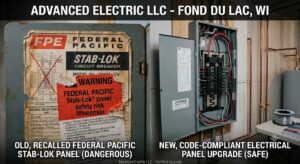
- Outdated panel brands like Federal Pacific Electric or Zinsco
- Panels with fewer than 20 circuit breaker spaces
- Absence of modern safety features
Immediate Action: Have a licensed electrician evaluate your panel’s condition and capacity. Even if it appears functional, upgrading provides crucial safety improvements and ensures code compliance.
2. Circuit Breakers Trip Frequently
The Issue: If you find yourself constantly resetting tripped breakers, your electrical panel is struggling to handle your home’s power demands safely.
Why This Happens: Frequent tripping indicates that your electrical panel is either overloaded with the demands of modern appliances and devices or is outdated and unable to keep up with your current power needs. Overloaded circuits can overheat, posing a fire hazard.
Warning Signs:
- Breakers trip when you use multiple appliances simultaneously
- Specific circuits trip regularly (kitchen, bathroom, laundry room)
- You need to redistribute loads to prevent tripping
- Breakers trip without obvious cause
The Danger: Continual tripping stresses your electrical system and can damage breakers, reducing their effectiveness. Overloaded or aging panels pose significant safety risks and may not protect your home adequately during electrical emergencies.
3. Lights Flicker or Dim When Appliances Start
The Issue: Do the overhead lights dim when you start the microwave or turn on the vacuum cleaner? Do lamps constantly flicker even when there isn’t a significant power draw?
Root Cause: These signs indicate that too much power is flowing through a single circuit, or your panel cannot provide adequate, stable power distribution throughout your home.
Specific Symptoms:
- Lights dim when large appliances (AC, refrigerator, washer) start up
- Consistent flickering without apparent cause
- Voltage fluctuations affecting electronic devices
- Uneven power distribution across different areas of your home
The Solution: While you may be able to add extra circuits to alleviate some problems, these symptoms often indicate that a complete electrical panel replacement is necessary to provide stable, adequate power throughout your home.
4. You’re Using Extension Cords and Power Strips Excessively
The Issue: If you rely heavily on extension cords and power strips because you don’t have enough outlets, your electrical panel likely lacks sufficient circuits to meet your home’s needs.
Why This Is Dangerous: Extension cords and power strips are temporary solutions, not permanent fixes. Overusing them can create fire hazards, especially when daisy-chained together or used with high-wattage appliances.
Modern Home Requirements:
- Kitchens need multiple dedicated 20-amp circuits
- Bathrooms require GFCI-protected outlets
- Home offices need adequate power for computers and equipment
- Entertainment areas require sufficient outlets for multiple devices
The Fix: An electrician can install additional outlets if your panel can accommodate additional circuits. However, if your panel lacks capacity, upgrading becomes necessary to safely support your electrical needs.
5. Your Panel Still Uses Fuses Instead of Breakers
The Issue: If your home still has a fuse box instead of a modern circuit breaker panel, you’re dealing with technology that’s decades out of date and potentially dangerous.
Safety Concerns with Fuse Boxes:
- Homeowners sometimes install incorrect fuse sizes, creating fire hazards
- Fuses can be “bypassed” with dangerous substitutes like pennies or foil
- Limited capacity (typically 60-100 amps) is inadequate for modern homes
- No advanced safety features like GFCI or AFCI protection
Insurance Issues: Some homeowner insurance policies may not cover homes with fuse boxes due to the potential safety hazards associated with improper maintenance and operation.
Modern Benefits: Circuit breakers can be easily reset, provide better protection, and include advanced safety features that weren’t available when fuse boxes were standard.
6. Burning Smells or Scorch Marks Around the Panel
The Issue: Any burning smell, especially one resembling burning plastic, rubber, or wood, coming from your electrical panel indicates a serious and immediate safety hazard.
What Causes This:
- Overheating wires due to loose connections
- Arcing between electrical components
- Circuit breakers failing to trip properly
- Inadequate panel capacity causing overheating
Visible Warning Signs:
- Burn marks around breakers or on the panel itself
- Discolored or melted components
- Scorch marks on surrounding walls or surfaces
- Signs of heat damage to the panel enclosure
Immediate Action Required: If you smell burning or see scorch marks, turn off the main breaker immediately and call a licensed electrician. This is a potential fire hazard that requires immediate professional intervention.
7. Unusual Sounds from the Electrical Panel
The Issue: Your electrical panel should operate silently. Any unusual noises indicate potential problems that need immediate attention.
Concerning Sounds:
- Buzzing or humming noises
- Crackling or sizzling sounds
- Popping noises when breakers are switched
- Any rhythmic or intermittent electrical sounds
What These Sounds Mean:
- Loose connections creating arcing
- Breakers failing to make proper contact
- Overloaded circuits causing vibration
- Components beginning to fail
Safety Protocol: Never ignore unusual sounds from your electrical panel. These noises often precede more serious problems and should be investigated by a qualified electrician immediately.
8. Rust, Corrosion, or Water Damage on the Panel
The Issue: Visible rust, corrosion, or signs of water infiltration around your electrical panel indicate serious safety and functionality concerns.
How This Happens:
- Basement or crawl space moisture
- Roof leaks affecting wall-mounted panels
- Condensation from poor ventilation
- Age-related deterioration of panel components
The Dangers:
- Corrosion interferes with proper electrical connections
- Water and electricity create electrocution hazards
- Damaged panels may not protect circuits properly
- Structural integrity of the panel becomes compromised
Response Protocol: If you discover rust, corrosion, or water damage on your electrical panel, avoid touching it and contact an electrician immediately for inspection and replacement.
Understanding Wisconsin’s Electrical Code Requirements
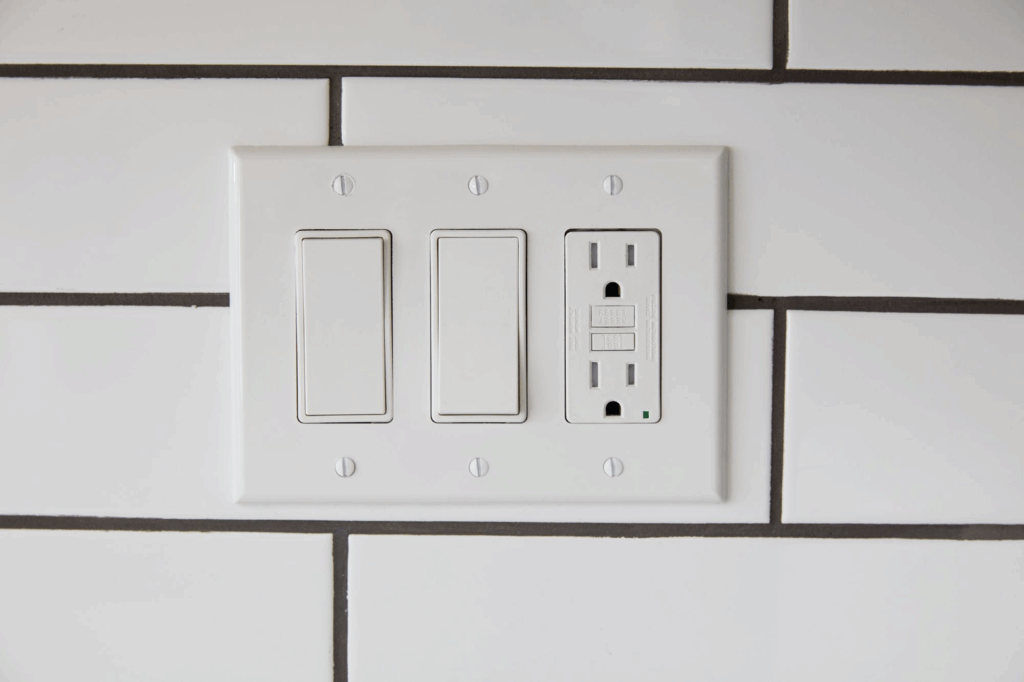
Wisconsin follows the National Electrical Code (NEC) with some state-specific modifications. Recent code updates have significantly enhanced safety requirements, making many older electrical installations non-compliant.
Current Wisconsin Electrical Panel Requirements
Minimum Service Size:
- New construction requires 200-amp minimum service
- Existing homes may need upgrades when making substantial renovations
- 100-amp service may be acceptable for smaller homes without major electrical loads
Safety Features Required:
- AFCI protection for most residential circuits
- GFCI protection in all required locations
- Proper grounding and bonding
- Adequate working clearances around panels
Permit and Inspection Requirements:
- Electrical panel replacements require permits
- Licensed electrician installation mandatory
- Municipal inspections required before activation
Local Considerations in Wisconsin
Wisconsin’s climate presents unique challenges for electrical systems:
Cold Weather Impacts:
- Temperature fluctuations can affect electrical connections
- Ice storms frequently cause power outages, stressing electrical systems
- Heating system electrical demands peak during harsh winters
Code Enforcement Variations:
- Individual municipalities may have additional requirements
- Some areas require outdoor meter/disconnect combinations
- Historic districts may have special considerations
The Financial Reality: Costs and Value of Panel Upgrades
Understanding the financial aspects of electrical panel upgrades helps you make informed decisions about this important home improvement.
Wisconsin Electrical Panel Upgrade Costs (2025)
Basic Panel Replacement:
- 100-amp to 200-amp upgrade: $1,200-$2,500
- Panel replacement (same amperage): $800-$1,600
- Complete service upgrade: $2,500-$4,000
Factors Affecting Cost:
- Panel amperage and type
- Complexity of installation
- Need for service entrance upgrades
- Local permit and inspection fees
- Accessibility and working conditions
Additional Expenses:
- Permits: $50-$300
- Electrical inspections: $100-$200
- Meter base replacement: $200-$500
- Service line upgrades: $500-$2,000
Return on Investment
Immediate Benefits:
- Enhanced safety for your family
- Increased electrical capacity for modern appliances
- Reduced risk of electrical fires and property damage
- Compliance with current electrical codes
Long-Term Value:
- Increased home resale value
- Lower insurance premiums (potentially)
- Reduced maintenance costs
- Future-proofing for electrical needs
Tax Benefits: Electric panel upgrades may qualify for federal tax credits under certain circumstances, particularly when done in conjunction with energy-efficient improvements like heat pump installations.
Types of Electrical Panels: What You Need to Know
Understanding the different types of electrical panels helps you make informed decisions about upgrades and replacements.
Modern Circuit Breaker Panels
Standard Breaker Panels:
- Most common type for residential installations
- Available in 100, 200, and 400-amp configurations
- Accommodates standard, GFCI, and AFCI breakers
Smart Electrical Panels:
- Wi-Fi connectivity for remote monitoring
- Real-time energy usage tracking
- Remote breaker control capabilities
- Integration with home automation systems
Outdated Panel Types to Replace
Federal Pacific Electric (FPE) Panels:
- Installed primarily 1950s-1980s
- Known safety issues with Stab-Loc breakers
- May not trip properly during overloads
- Immediate replacement recommended
Zinsco Panels:
- Popular in 1970s installations
- Breakers can melt to bus bars
- Cannot trip when overloaded
- Significant fire hazard requiring immediate replacement
Fuse Boxes:
- Used before 1960s
- Limited capacity (typically 30-100 amps)
- No modern safety features
- Upgrade necessary for safety and functionality
The Professional Installation Process
Electrical panel upgrades are complex projects that require professional expertise, proper permitting, and careful adherence to safety protocols.
Pre-Installation Assessment
Load Calculation: Licensed electricians perform detailed calculations to determine your home’s electrical requirements, ensuring the new panel can handle current and future needs.
System Evaluation:
- Inspection of existing wiring condition
- Assessment of grounding and bonding systems
- Evaluation of service entrance requirements
- Code compliance review
Installation Steps
1. Permit Acquisition: Professional electricians handle permit applications, ensuring compliance with local requirements and codes.
2. Utility Coordination: Work with utility companies to schedule power disconnection and reconnection, minimizing disruption to your daily routine.
3. Safe Installation:
- Complete power shutdown during installation
- Proper removal and disposal of old equipment
- Installation of new panel with modern safety features
- Comprehensive testing and verification
4. Final Inspection: Municipal inspectors verify code compliance and safety before authorizing system activation.
Choosing the Right Electrical Contractor in Wisconsin
Selecting qualified professionals ensures safe, code-compliant electrical panel upgrades that protect your investment and your family’s safety.
Essential Qualifications
Licensing and Certification:
- Wisconsin electrical contractor license
- Current workers’ compensation insurance
- General liability insurance coverage
- Manufacturer certifications for specific equipment
Experience and Expertise:
- Residential electrical panel specialization
- Local code knowledge and relationships with inspectors
- References from recent similar projects
- Understanding of Wisconsin’s unique electrical requirements
Important Questions to Ask Contractors
Technical Capabilities:
- How do you determine proper panel sizing?
- What safety features do you recommend?
- How do you handle permit applications and inspections?
- What warranty do you provide on installation work?
Project Management:
- What is the typical timeline for installation?
- How do you minimize power outage duration?
- What cleanup and restoration is included?
- How do you handle unexpected complications?
Safety Protocols During Electrical Panel Issues
When electrical panel problems arise, following proper safety protocols can prevent accidents and minimize risks until professional help arrives.
Immediate Safety Actions
If You Smell Burning:
- Turn off the main breaker immediately
- Evacuate the area and call 911 if fire is suspected
- Contact a licensed electrician for emergency service
- Do not attempt to investigate or repair yourself
If Breakers Trip Repeatedly:
- Identify and unplug appliances on the affected circuit
- Do not repeatedly reset tripped breakers
- Schedule electrical inspection to identify root causes
- Avoid using extension cords as permanent solutions
If You See Sparks or Arcing:
- Turn off main power if safely accessible
- Call emergency services if fire risk exists
- Keep family members away from the electrical panel
- Document damage for insurance and contractor evaluation
What NOT to Do
Never Attempt These Actions:
- Opening electrical panels without proper training
- Working on live electrical circuits
- Using water near electrical components
- Ignoring warning signs like unusual sounds or smells
At Advanced Electric LLC, we offer professional electrical panel upgrade in Wisconsin to ensure your system runs smoothly and safely. Our licensed electricians evaluate your needs and install reliable, up-to-date panels that keep your home or business powered without interruptions. We prioritize safety, quality, and efficient service every step of the way.
Call us now for reliable electrical services.
Frequently Asked Questions
How long does an electrical panel last? Most electrical panels last 25 to 40 years, depending on usage, maintenance, and power demands. However, if your home has an older panel struggling to handle modern appliances, it’s better to upgrade sooner rather than later for safety and efficiency.
Can I upgrade my electrical panel myself? No. Electrical panel upgrades require licensed electrician installation to ensure safety and code compliance. This work involves high-voltage electricity, complex wiring, and must meet strict electrical codes. DIY electrical work is extremely dangerous and typically violates local building codes.
How much does an electrical panel upgrade cost in Wisconsin? The cost to upgrade your home’s electrical panel in Wisconsin typically ranges from $1,200-$3,500, depending on the size, type, and complexity. Factors affecting cost include panel amperage, installation complexity, permit fees, and any additional electrical work required.
Will upgrading my electrical panel increase my home’s value? Yes! A modern electrical panel makes your home safer, supports high-powered appliances, and reduces the risk of electrical fires—all excellent selling points. Upgrading the panel can make your property more attractive to buyers, especially in older homes where outdated electrical systems are a concern.
How often should I have my electrical panel inspected? Experts recommend professional electrical panel inspections every 3-5 years, even if everything seems fine. However, if you notice flickering lights, frequent tripping, burning smells, or unusual sounds, don’t wait—get it checked immediately as these indicate potential electrical hazards.
What’s the difference between a fuse box and a breaker panel? Fuse boxes use disposable fuses that must be replaced when they blow out from overloads. Circuit breaker panels use resettable breakers that can be turned back on after tripping. Breaker panels are safer, more convenient, and include modern safety features that fuse boxes lack.