Bottom Line Up Front: Whole-house surge protection is now required by the National Electrical Code for new electrical service installations and major upgrades. These systems cost $300-$800 installed and protect your entire home from power surges that cause over $1 billion in property damage annually, making them essential for modern homes filled with sensitive electronics.
Every year, power surges cause hundreds of millions of dollars in damage to American homes, destroying everything from refrigerators and washing machines to smart TVs and computer systems. What many homeowners don’t realize is that most of these devastating losses could have been prevented with a single, professionally installed device: a whole-house surge protector.
In today’s world, where the average home contains over $15,000 worth of electronic devices and smart appliances, surge protection isn’t just recommended—it’s essential. The 2020 National Electrical Code now requires surge protection for all new residential electrical installations, recognizing the critical importance of protecting modern homes from electrical damage.
This comprehensive guide will walk you through everything you need to know about whole-house surge protection, helping you make informed decisions about protecting your most valuable investment: your home.
Understanding Power Surges and Their Impact on Your Home
Power surges are sudden increases in electrical voltage that exceed the normal flow of electricity in your home’s wiring system. While your home’s electrical system is designed to handle 120 volts at standard outlets and 240 volts for major appliances, surges can deliver thousands of volts in milliseconds, overwhelming and damaging connected devices.
The Hidden Threat to Modern Homes
According to the National Fire Protection Association and electrical safety experts, electrical fires cause nearly 500 deaths annually and result in over $1 billion in property damage. Many of these incidents stem from electrical surges that damage wiring, outlets, and electrical systems throughout homes.
The scale of this problem is staggering:
- An average of 358,500 homes experience structural fires each year
- Electrical fires cost Americans around $1.3 billion annually in property damage
- Around 80 percent of power surges happen within the home
Common Causes of Power Surges
Understanding what causes power surges helps homeowners recognize their vulnerability and take appropriate protective measures.
External Surge Sources:
- Lightning strikes on power lines or near your home
- Utility grid switching during maintenance or repairs
- Transformer failures in your neighborhood
- Downed power lines from storms or accidents
- Power restoration after outages
Internal Surge Sources:
- Large appliances cycling on and off (air conditioners, electric dryers, refrigerators)
- Faulty wiring or electrical connections
- Overloaded circuits from too many devices
- Electrical motor startups in HVAC systems
- Damaged electrical components throughout your home
Research shows that around 80 percent of power surges happen within the home, making internal surge protection just as important as protection from external threats.
What Is Whole-House Surge Protection?
Whole-house surge protection is a comprehensive electrical safety system that monitors your home’s electrical supply and instantly diverts excess voltage away from your wiring and connected devices. Unlike power strip surge protectors that only protect individual outlets, whole-house systems safeguard your entire electrical system.
How Whole-House Surge Protectors Work
Whole-house surge protectors function by continually monitoring the electrical current flowing into your home. When they detect a surge, they instantly divert the excess electricity to your home’s grounding path. This process happens in microseconds, preventing dangerous voltage from reaching your appliances, electronics, and electrical systems.
The technology relies on components called Metal Oxide Varistors (MOVs) that act as electrical valves. Under normal conditions, MOVs have high resistance and don’t interfere with electrical flow. When voltage exceeds safe levels, the MOVs’ resistance drops dramatically, creating a path for excess electricity to flow safely to ground.
The Three Types of Surge Protection Devices
The electrical industry categorizes surge protection devices (SPDs) into three distinct types, each serving different protection roles:
Type 1 Surge Protection Devices Type 1 SPDs are typically installed on the line side of the service entrance, offering protection from external surges and direct lightning strikes. These devices mount at your electrical meter or service entrance and provide the first line of defense against utility-sourced surges.
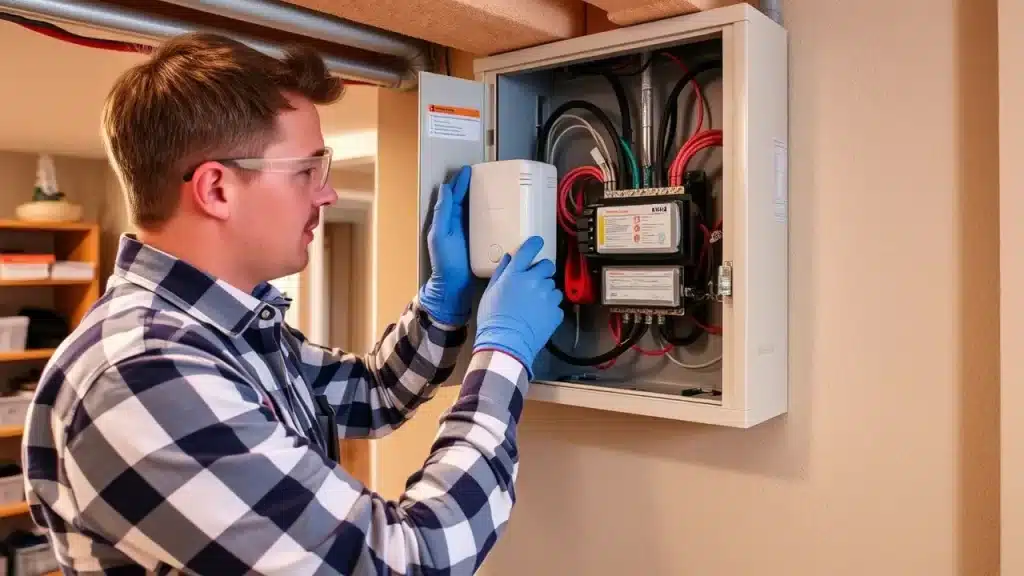
Type 2 Surge Protection Devices Type 2 SPDs are installed on the load side of the service entrance or distribution panels, providing protection from internal surges and indirect lightning strikes. These are the most common whole-house surge protectors, installed directly in your main electrical panel.
Type 3 Surge Protection Devices Type 3 SPDs are point-of-use devices like power strips and outlet-mounted surge protectors. While not considered “whole-house” protection, they provide an additional layer of defense for sensitive electronics.
Benefits of Layered Surge Protection
The most effective approach uses multiple types of SPDs working together to provide comprehensive protection. This layered strategy ensures that if one level of protection is overwhelmed or fails, backup protection remains in place.
The New National Electrical Code Requirements
The electrical safety landscape changed dramatically with the 2020 National Electrical Code (NEC), which made surge protection mandatory for many residential installations.
What the 2020 NEC Requires
The 2020 NEC (National Electric Code) has made surge protection required for service replacements and upgrades. With a new service, service upgrade, or service replacement, there must now be a type 1 or type 2 surge protector installed.
Specific NEC 2020 Requirements:
- Article 230.67 mandates surge protection for all dwelling units
- Type 1 or Type 2 SPDs must be installed at or adjacent to the main service equipment
- Professional installation is required for compliance
- Proper grounding must be verified for effective operation
2023 NEC Updates and Expansions
The 2023 NEC revisions for surge protection now require a Type 1 or Type 2 surge protection device for all services supplying a dwelling, or as the NEC states, “a unit”. The updated code expanded protection requirements beyond single-family homes.
2023 NEC Expanded Coverage:
- Dormitory rooms and student housing
- Hotel and motel guest rooms
- Nursing home patient rooms
- Guest suites in hospitality facilities
- Any unit where people live or dwell
Why the Code Changed
The push on refrigerators is to make them hyperefficient, to the point where replacing older fridges is actually worth it for the energy savings. The off-grid/home power people have stopped buying $4000 exotic hyper-efficient DC power fridges because run-of-the-mill $600 fridges have pretty much caught up. This shift toward more sophisticated electronics in everyday appliances made surge protection essential.
The code change reflects several key factors:
- Increased electronic sensitivity in modern appliances
- Rising property damage from electrical surges
- Insurance claims data showing surge-related losses
- Fire safety concerns from electrical failures
Cost Analysis: Investment vs. Protection
Understanding the financial aspects of whole-house surge protection helps homeowners make informed decisions about this important safety investment.
Equipment and Installation Costs
A whole-house surge protector costs $60 to $500+ for the unit alone or $200 to $800 with installation, depending on the type, brand, protection rating, and the electrical labor required.
Type 1 Surge Protectors:
- Type 1 surge protection device costs $100 to $500+ for the unit alone or $250 to $800 with installation and offers the highest level of protection
- Installed at the meter base or service entrance
- Requires utility company coordination in some areas
- Provides maximum protection from external surges
Type 2 Surge Protectors:
- Type 2 surge protector costs $60 to $300 for the unit alone or $200 to $450 with professional installation
- Most common choice for residential applications
- Installed directly in the main electrical panel
- Easier installation and maintenance access
Factors Affecting Cost
Several variables influence the total cost of whole-house surge protection:
Protection Rating: The surge protection rating is the maximum amount of electrical current the device can absorb, measured in kiloamperes (kA), or thousands of amps. Whole-house surge protectors are rated for 10kA to 108kA or more, and models with higher ratings typically cost more.
Installation Complexity:
- Electrical panel accessibility and available space
- Existing wiring condition and code compliance
- Grounding system adequacy for proper SPD operation
- Local permitting requirements and inspections
Geographic Factors:
- Regional lightning activity affecting recommended protection levels
- Local electrical codes and specific requirements
- Labor costs varying by geographic location
- Utility company policies for meter-base installations
Return on Investment
The financial benefits of surge protection become clear when compared to replacement costs of damaged equipment:
Average Home Electronics Value:
- Kitchen appliances: $8,000-$15,000 (refrigerator, range, dishwasher, microwave)
- HVAC systems: $5,000-$12,000 (heating, cooling, controls)
- Entertainment systems: $3,000-$8,000 (TVs, audio equipment, gaming systems)
- Computing devices: $2,000-$5,000 (computers, tablets, smart home devices)
- Laundry equipment: $1,500-$3,000 (washer, dryer)
The case of one Acton, Massachusetts home illustrates the potential savings. Electrical contractor Allen Gallant was working on a complete rewiring project when homeowners decided to save money by not installing whole-house surge protection. Shortly after completion, lightning struck a nearby utility pole, sending a surge through the electrical system that caused significant damage.
Types of Whole-House Surge Protection Systems
Choosing the right surge protection system depends on your home’s specific needs, electrical configuration, and protection goals.
Meter-Base Surge Protectors (Type 1)
Whole house surge protection type 1 refers to a SPD (surge protective device) that mounts onto the outside meter of your home. This is the first line of defense against surges. It’s a meter based surge protector that reduces extra voltage (surge) from the power grid, before it reaches your main electrical panel.
Advantages of Type 1 Systems:
- Maximum protection from external surges
- Utility-grade components designed for high-energy events
- Protects the entire electrical service including the main panel
- Handles direct lightning strikes better than other types
Considerations:
- Professional installation required by licensed electricians
- Utility company approval may be needed
- Limited accessibility for maintenance and replacement
- Higher initial cost compared to panel-mounted options
Panel-Mounted Systems (Type 2)
Type 2 surge protectors install directly in your main electrical panel and represent the most popular choice for residential applications.
Installation Methods:
- Plug-on neutral designs that snap directly into panel slots
- Hardwired connections using dedicated circuit breakers
- Combination units that integrate with panel components
Advantages of Panel-Mounted Systems:
- Easier installation and maintenance access
- Lower initial cost compared to Type 1 systems
- Visual status indicators for monitoring operation
- Flexible sizing options to match panel configuration
Combination and Hybrid Systems
Some manufacturers offer surge protectors that combine Type 1 and Type 2 characteristics, providing comprehensive protection in a single device.
Hybrid System Benefits:
- Dual-mode protection against both external and internal surges
- Simplified installation with single-device solution
- Cost-effective compared to separate Type 1 and Type 2 systems
- Enhanced reliability through redundant protection circuits
Installation Requirements and Process
Proper installation is crucial for effective surge protection and code compliance. Understanding the requirements helps homeowners prepare for professional installation.
Pre-Installation Assessment
Before installing whole-house surge protection, qualified electricians perform comprehensive assessments:
Electrical System Evaluation:
- Main panel capacity and available space
- Grounding system adequacy and code compliance
- Existing wiring condition and safety concerns
- Circuit loading and electrical demand analysis
Protection Needs Analysis:
- Home electronics inventory and replacement values
- Lightning risk assessment based on location
- Utility power quality and surge history
- Budget considerations and protection priorities
Installation Requirements
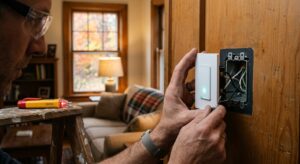
Unlike power strips, whole-home surge protectors must be wired directly into your electrical panel, requiring a licensed electrician. Installation costs can range from $100 to $300, depending on your home’s setup.
Key Installation Requirements:
- Licensed electrician must perform the work
- Electrical permits required in most jurisdictions
- Code compliance with NEC and local regulations
- Proper grounding essential for effective operation
Grounding System Importance
For a whole-home surge protector to work effectively, your home must have proper electrical grounding. Surge protectors divert excess electricity into the ground, but if your home’s grounding system is unstable or faulty, the surge protector won’t function properly—leaving your home vulnerable to power surges.
Grounding System Components:
- Grounding electrodes (rods, plates, or conductors)
- Grounding electrode conductors connecting electrodes to the panel
- Equipment grounding conductors for individual circuits
- Bonding jumpers ensuring electrical continuity
Installation Process Overview
Professional installation typically follows these steps:
- System shutdown and safety lockout procedures
- Panel assessment and space preparation
- Surge protector mounting and mechanical installation
- Electrical connections following manufacturer specifications
- Grounding verification and continuity testing
- System startup and operational testing
- Documentation and warranty registration
Smart Home Integration and Modern Considerations
Today’s homes increasingly rely on smart devices and sophisticated electronics that require specialized surge protection considerations.
Protecting Smart Home Systems
Modern smart homes contain numerous vulnerable components:
Smart Home Devices:
- Wi-Fi routers and networking equipment
- Smart thermostats and HVAC controls
- Security systems and cameras
- Smart lighting and automated controls
- Home automation hubs and controllers
Protection Strategies:
- Whole-house surge protection as the foundation
- Network surge protectors for communication lines
- UPS systems for critical smart home hubs
- Point-of-use protection for expensive individual devices
Electric Vehicle Charging Considerations
As electric vehicles become more common, their charging systems present new surge protection challenges:
EV Charging Protection:
- Dedicated surge protection for charging circuits
- 240-volt circuit protection for Level 2 chargers
- Data line protection for smart charging features
- Coordination with whole-house surge protection
Renewable Energy System Protection
Solar panels, battery storage, and other renewable energy systems require specialized surge protection:
Solar System Protection:
- DC surge protection for solar panel circuits
- AC surge protection for inverter systems
- Communication protection for monitoring systems
- Grounding system coordination with existing protection
Insurance Coverage and Financial Protection
Understanding how homeowners insurance relates to surge damage helps homeowners make informed protection decisions.
Homeowners Insurance and Surge Damage
Whether your homeowners insurance covers your laptop or TV if it gets fried by a power surge all depends on the cause. If the damage was caused by a covered peril, like lightning, you’ll likely be reimbursed for the loss. But your insurer probably won’t cover power surge damage caused by an overloaded circuit or exposed wiring.
Typically Covered Surge Causes:
- Lightning strikes affecting your property
- Utility company surges during maintenance work
- Sudden electrical accidents from external sources
Typically NOT Covered:
- Internal electrical problems from poor maintenance
- Overloaded circuits and electrical system abuse
- Gradual equipment failure from repeated small surges
- Negligence in electrical system maintenance
Equipment Breakdown Coverage
Equipment breakdown coverage is a policy endorsement that offers protection for everything from your TVs to your dishwasher against many causes of loss — like mechanical breakdown, power surges, and short circuits — that may not be covered by your standard policy.
Benefits of Equipment Breakdown Coverage:
- Broader protection beyond standard homeowners coverage
- No per-item limits on covered equipment
- Lower deductibles for covered claims
- Additional living expenses during repairs
Documentation for Insurance Claims
Proper documentation improves your chances of successful insurance claims:
Essential Documentation:
- Purchase receipts for all electronic devices
- Before-and-after photos of damaged equipment
- Professional repair estimates from qualified technicians
- Incident reports documenting surge events
- Surge protector maintenance records showing proper care
Maintenance and Lifecycle Management
Whole-house surge protectors require ongoing attention to maintain their protective capabilities throughout their operational life.
Understanding Surge Protector Lifespan
These devices have a lifespan of roughly five to 10 years, though it’s important to note that most must be replaced after blocking a significant surge. Several factors influence surge protector longevity:
Factors Affecting Lifespan:
- Number and severity of surges absorbed
- Environmental conditions (temperature, humidity, corrosion)
- Electrical system quality and grounding effectiveness
- Manufacturing quality and component ratings
Regular Maintenance Requirements
Monthly Inspections:
- Visual indicator checks (LED status lights)
- Mounting security and physical condition
- Connection tightness (where safely accessible)
- Documentation of inspection dates and findings
Annual Professional Inspections:
- Electrical testing of protection circuits
- Grounding system verification and testing
- Connection inspection and retightening
- Performance testing where equipment allows
Replacement Indicators
Several signs indicate when surge protectors need replacement:
Replacement Warning Signs:
- Status indicator failure (red lights, alarms)
- Physical damage to the device or mounting
- Electrical testing failures during inspections
- Age-based replacement per manufacturer recommendations
Warranty Considerations
Most leading brands offer substantial connected equipment warranties. Coverage includes extensive protection, with some manufacturers offering warranties up to $75,000 for connected devices.
Warranty Requirements:
- Professional installation by licensed electricians
- Proper registration within specified timeframes
- Regular maintenance according to manufacturer specifications
- Documentation of surge events and system performance
Choosing the Right Surge Protection System
Selecting appropriate surge protection requires careful consideration of your home’s specific needs and risk factors.
Assessment Factors
Home Electronics Inventory:
- Total replacement value of electronic devices
- Critical systems requiring maximum protection
- Sensitive equipment needing specialized protection
- Future expansion plans for electronic systems
Risk Assessment:
- Geographic lightning frequency and intensity
- Utility power quality and surge history
- Home electrical system age and condition
- Insurance coverage and deductible amounts
Protection Rating Selection
Choose a model rated for at least 30kA for lightning protection. Higher ratings provide better protection but cost more initially.
Rating Guidelines:
- 20kA minimum for basic residential protection
- 40kA recommended for most homes
- 60kA or higher for high-lightning areas or valuable electronics
- 100kA+ for maximum protection and peace of mind
Brand and Quality Considerations
Leading Manufacturers:
- Siemens FirstSurge series with robust construction
- Eaton CHSPT series for reliable performance
- Square D residential surge protection devices
- Leviton whole-house surge protection systems
Quality Indicators:
- UL 1449 listing for safety and performance standards
- Manufacturer warranties on both device and connected equipment
- Local electrician familiarity for service and support
- Replacement part availability for long-term maintenance
Regional Considerations for Fond du Lac Homeowners
Fond du Lac area homeowners face specific electrical challenges that influence surge protection decisions.
Local Weather Patterns
Wisconsin experiences significant thunderstorm activity during spring and summer months, creating elevated lightning risk. The state’s continental climate also produces severe weather events that can damage utility infrastructure and cause power surges.
Seasonal Considerations:
- Spring storms with frequent lightning
- Summer thunderstorms and tornado activity
- Winter ice storms affecting power lines
- Fall windstorms causing utility damage
Utility Infrastructure
The electrical grid serving Fond du Lac includes aging components that may be more susceptible to surge-causing failures. Rural areas often have longer power lines that increase lightning exposure risk.
Infrastructure Factors:
- Overhead power lines susceptible to storm damage
- Transformer age and maintenance schedules
- Grid modernization efforts and temporary disruptions
- Rural service areas with extended power line exposure
Local Electrical Code Adoption
Wisconsin has adopted the National Electrical Code with some state-specific modifications. Local jurisdictions may have additional requirements for surge protection installation.
Code Compliance:
- State electrical code requirements
- Local permit processes and inspection requirements
- Licensed electrician requirements for installation
- Inspection schedules and approval processes
Frequently Asked Questions About Whole-House Surge Protection
How effective are whole-house surge protectors?
While surge protectors can handle most surges, they may not be able to fully protect against extremely high surges such as direct lightning strikes. However, they provide excellent protection against the vast majority of surges that occur in typical residential settings.
Can I install a whole-house surge protector myself?
Type 1 surge protectors are designed to handle high-energy surges from external sources like lightning. A Type 1 SPD is a permanent surge protector installed at the external electrical service entrance or the “line side” of the main electrical panel. These devices require installation by a licensed electrician. DIY installation is illegal in many states and may also invalidate your homeowners insurance.
How long do whole-house surge protectors last?
These devices have a lifespan of roughly five to 10 years, though it’s important to note that most must be replaced after blocking a significant surge. Regular maintenance and monitoring help maximize lifespan and ensure continued protection.
Do I still need power strip surge protectors?
Yes, layered protection provides the best overall surge protection. Whole-house surge protectors handle large surges and protect your electrical system, while point-of-use surge protectors provide additional protection for sensitive electronics and may offer features like battery backup.
Will a surge protector protect against lightning strikes?
Type 1 surge protectors protect your home from 20% of power surges that occur externally like lightning strikes on the utility lines, downed power lines, during work being done on the utility lines, etc. While they can’t protect against direct lightning strikes to your home, they effectively protect against lightning-induced surges through the electrical grid.
How do I know if my surge protector is working?
Most modern whole-house surge protectors include visual indicators (LED lights) that show operational status. Green lights typically indicate normal operation, while red lights or alarms signal problems requiring attention.
Are there any disadvantages to whole-house surge protectors?
The biggest downside for homeowners is the initial expense. A high-quality whole-home surge protector typically costs between $300 and $600, not including installation. However, this cost is usually much less than replacing surge-damaged electronics and appliances.
The Future of Home Surge Protection
Surge protection technology continues evolving to meet the challenges posed by increasingly sophisticated home electronics and changing electrical grid conditions.
Smart Surge Protection
Next-generation surge protectors incorporate smart technology for enhanced monitoring and control:
Smart Features:
- Remote monitoring through smartphone apps
- Performance analytics and surge event logging
- Predictive maintenance alerts and recommendations
- Integration with home automation systems
Grid Modernization Impact
As utility companies modernize electrical grids with smart technology, new surge protection challenges and opportunities emerge:
Grid Changes:
- Smart meters with communication capabilities
- Distributed generation from solar and wind
- Energy storage systems integrated with the grid
- Electric vehicle charging infrastructure expansion
Advanced Protection Technologies
Emerging technologies promise improved surge protection capabilities:
Technology Advances:
- Faster response times measured in nanoseconds
- Self-healing components that restore after surge events
- Improved durability for longer service life
- Better coordination between protection levels
Conclusion: Protecting Your Home’s Future
Whole-house surge protection represents one of the most cost-effective investments homeowners can make to protect their property and ensure electrical safety. With the average home containing thousands of dollars worth of surge-sensitive electronics and appliances, the relatively modest cost of professional surge protection provides tremendous value.
The 2020 National Electrical Code requirement for surge protection in new installations reflects the electrical industry’s recognition of this critical safety need. As homes become increasingly dependent on sophisticated electronics—from smart appliances to home automation systems—comprehensive surge protection becomes not just recommended but essential.
For Fond du Lac area homeowners, the combination of seasonal storm activity, aging utility infrastructure, and modern electronic dependency makes whole-house surge protection particularly important. The investment in quality surge protection, professionally installed and properly maintained, provides peace of mind and financial protection for years to come.
Key Takeaways:
- Surge protection is now required by electrical code for new installations
- Professional installation is essential for safety and code compliance
- Layered protection strategies provide the most comprehensive coverage
- Regular maintenance ensures continued protection effectiveness
- Insurance benefits may not cover all surge-related damage
The question isn’t whether you can afford to install whole-house surge protection—it’s whether you can afford not to. When weighed against the potential cost of replacing damaged electronics, appliances, and electrical systems, surge protection represents one of the smartest investments any homeowner can make.
Ready to protect your home? Contact a qualified electrician to assess your surge protection needs and recommend the best solution for your specific situation. Your electronics, appliances, and family’s safety depend on making this important decision sooner rather than later.
Professional Surge Protection Services in Fond du Lac
When you’re ready to protect your home with professional whole-house surge protection, Advanced Electric LLC provides expert installation and service throughout Fond du Lac and the surrounding Wisconsin communities. Our licensed electricians understand the specific challenges facing local homeowners and can recommend the ideal surge protection solution for your home.
Our Surge Protection Services Include:
- Complete electrical system assessment and surge risk evaluation
- Professional whole-house surge protector installation and testing
- Type 1 and Type 2 surge protection device installation
- Electrical panel upgrades to accommodate surge protection
- Grounding system evaluation and improvement
- Ongoing maintenance and replacement services
Why Choose Advanced Electric LLC:
- Licensed and insured electricians with surge protection expertise
- Local knowledge of Fond du Lac area electrical challenges
- Quality installations meeting all electrical codes and manufacturer requirements
- Comprehensive warranties on both labor and equipment
- Emergency service available when you need it most
Don’t wait until a surge damages your valuable electronics and appliances. Contact Advanced Electric LLC today to schedule your surge protection consultation and take the first step toward comprehensive electrical safety.
Address: 213 W 9th St, Fond du Lac, WI 54936 Service Area: Fond du Lac and East Central Wisconsin