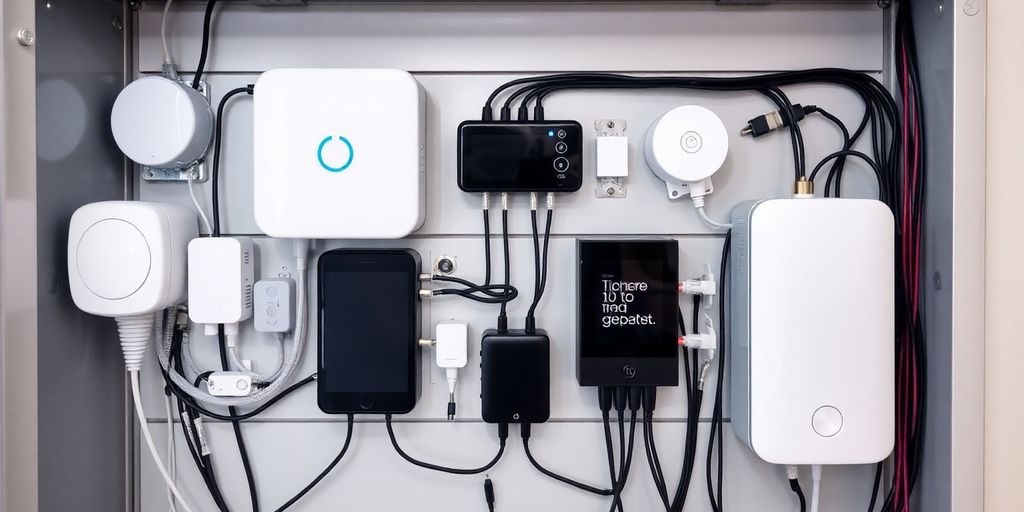
Thinking about making your home a bit more ‘smart’? It’s a pretty common idea these days. You see all these gadgets that can control lights, temperature, and more, right from your phone. But before you go buying a bunch of smart plugs, it’s a good idea to know if your home’s electrical setup in Fond du Lac can handle it.
We’re going to walk through what you need to think about, from checking your electrical panel to picking out the right devices, and when you might want to call in a pro.
Key Takeaways
- Understand your current electrical system’s capacity in Fond du Lac before adding smart devices.
- Smart devices offer convenience, energy savings, and improved security.
- Check your panel capacity and wiring to identify potential upgrade needs for your Home Electrical System Fond Du Lac.
- Key smart devices to consider are smart lighting, thermostats, and plugs/switches.
- Professional installation is often recommended for safety and proper integration, especially for more complex setups.
Understanding Your Home Electrical System in Fond du Lac
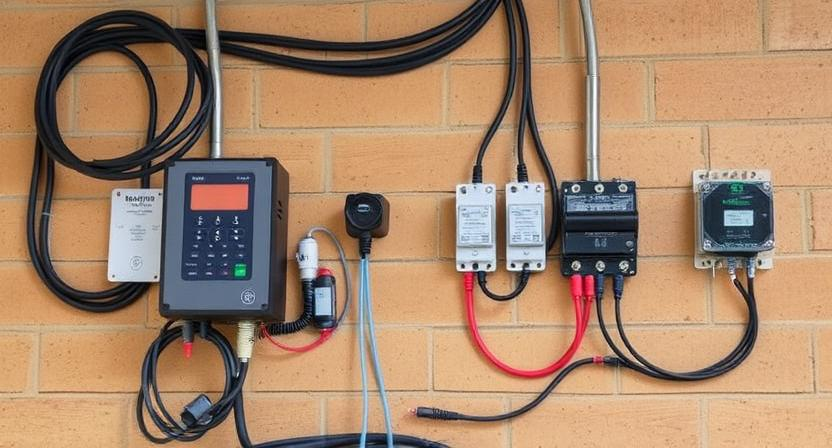
Before you start plugging in smart gadgets all over your house in Fond du Lac, it’s a good idea to get a handle on your home’s current electrical setup. Think of it like checking the foundation before you build an addition. Understanding your existing wiring, panel capacity, and overall system health is key to a smooth smart home integration.
This isn’t just about making sure your new smart lights work; it’s about safety and preventing future headaches. Many older homes, especially those built before the 1980s, might not have the robust wiring needed for today’s connected devices. This could mean needing some upgrades to handle the increased load and ensure everything runs efficiently.
Checking Panel Capacity and Wiring
Your electrical panel is the heart of your home’s electrical system. It’s where the power comes in and gets distributed to all the different circuits. You’ll want to know its amperage rating – common ratings are 100 amps or 200 amps.
More smart devices generally mean more power draw. If your panel is older or already maxed out, it might not be able to support a significant number of new smart devices. Also, take a look at the wiring itself.
Are the wires thick enough for the intended load? Are they in good condition, or do they look old and brittle? For those considering smart home wiring in Fond du Lac, this initial assessment is really important.
Identifying Potential Upgrade Needs
Based on your panel and wiring check, you might identify areas needing attention. This could range from needing a simple circuit breaker addition to a full panel upgrade. Some smart devices, particularly those that require a constant connection or higher power draw, might also need specific wiring, like a neutral wire, which older homes often lack.
If you’re thinking about installing smart switches in Fond du Lac or other home automation installation projects in Wisconsin, knowing these potential needs upfront can save you time and money.
It’s always best to consult with a qualified Fond du Lac electrician for smart homes to get a professional opinion on what upgrades might be necessary. They can help assess your home’s readiness for modern electrical demands and ensure your smart home setup is safe and reliable.
The Rise of Smart Home Technology
It feels like just yesterday we were marveling at the idea of a remote control for the TV, and now, our homes are getting seriously intelligent. Smart home technology is really taking off, changing how we live day-to-day.
It’s all about devices that connect to the internet, letting you control things like lights, temperature, and even security systems right from your phone or with your voice. This shift is making our homes more convenient, efficient, and secure.
What are Smart Devices?
So, what exactly counts as a smart device? Basically, it’s anything in your house that can connect to your home network and be controlled remotely or automated.
Think of things like smart thermostats that learn your schedule, smart lights you can dim or change color with an app, and smart plugs that let you turn any appliance on or off from afar. It’s a pretty wide range of gadgets designed to make life a little easier.
Benefits of a Smart Home
Why bother with all this tech? Well, the benefits are pretty compelling. For starters, convenience is a big one. Imagine adjusting your thermostat before you even get out of bed or turning off lights you forgot about from your couch.
Then there’s energy savings. Smart thermostats, for example, can really cut down on your heating and cooling bills by optimizing usage. Security gets a boost too, with smart cameras and door locks offering peace of mind. Plus, for folks with mobility issues, voice control and app management can make a huge difference in daily living.
Here are a few ways smart tech can help:
- Convenience: Control devices from anywhere.
- Energy Savings: Reduce utility bills with smart thermostats and lighting.
- Security: Monitor your home with cameras and smart locks.
- Comfort: Automate lighting and temperature for a perfect environment.
It’s not just about fancy gadgets; it’s about creating a living space that works better for you, saving you time, money, and maybe even a little bit of hassle.
Assessing Your Current Electrical System for Smart Device Integration
Before you start plugging in all those cool new gadgets, it’s a good idea to take a look at what you’ve already got in terms of your home’s electrical setup. Think of it like checking the foundation before you build an addition.
You need to know if your current wiring and panel can handle the extra load from connecting smart tech to house wiring. This assessment is key to avoiding problems down the road.
Checking Panel Capacity and Wiring
Your electrical panel, often called a breaker box, is the heart of your home’s electrical system. It distributes power to different circuits. Smart devices, while often low-power individually, can add up.
You’ll want to check the total amperage your panel is rated for and how much of that capacity is already being used by your existing appliances and systems. Look at the labels on your breakers; they usually indicate the amperage.
Also, consider the age and condition of your wiring. Older homes might have wiring that isn’t up to modern standards, which could be a concern when upgrading electrical systems for smart devices.
- Amperage Rating: What’s the main breaker’s rating (e.g., 100A, 200A)?
- Breaker Load: Are many breakers constantly tripping? This could indicate an overloaded circuit.
- Wiring Type: Is it copper or aluminum? What gauge is it?
- Visible Damage: Any frayed wires, scorch marks, or loose connections?
Identifying Potential Upgrade Needs
Based on your assessment, you might find that your current system needs a boost. This could mean upgrading your main electrical panel to handle more circuits or higher amperage. Sometimes, it’s not just about capacity but also about the type of wiring.
If your home has older knob-and-tube wiring, for instance, it’s definitely not suitable for modern smart home integration and will require a complete rewire. Even if your wiring is okay, you might need to add new circuits specifically for areas where you plan to install multiple smart devices. This is where professional help becomes really important for connecting smart devices to house power safely and correctly.
Key Smart Devices to Integrate
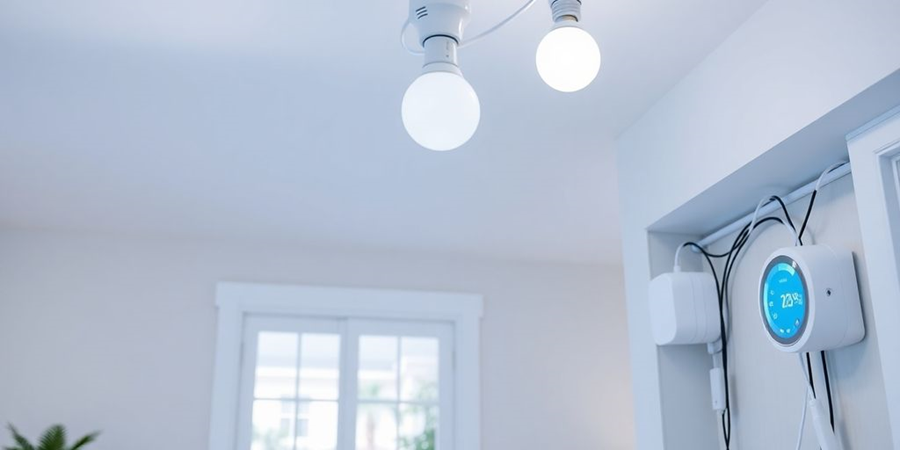
So, you’re thinking about making your home a bit smarter, huh? It’s not as complicated as it might seem, and there are some really cool gadgets out there that can make a big difference in your day-to-day life. We’re talking about things that can save you energy, make your home more secure, and honestly, just make things a lot easier.
Smart Lighting
Smart lighting is a great place to start. You can control your lights from your phone, set schedules, and even change the color or brightness. Imagine never having to get up to turn off a light again, or setting a cozy mood with just a few taps. Some systems even learn your habits and adjust automatically.
It’s a pretty neat way to save energy too, because lights won’t be left on when nobody’s in the room. You can find smart bulbs, smart switches, and even smart plugs that work with your existing lamps. It’s a simple upgrade that really changes the feel of a room.
Smart Thermostats
These are fantastic for managing your home’s temperature and cutting down on energy bills. A smart thermostat learns your schedule and preferences, adjusting the heat or air conditioning automatically. If you’re heading home early, you can even turn up the heat from your phone.
They can significantly reduce your energy consumption, which is good for both your wallet and the environment. Some advanced models can even adjust based on the weather outside. It’s like having a personal climate assistant for your house.
Smart Plugs and Switches
If you want to make your older appliances
Professional Installation and Safety Considerations in Fond du Lac
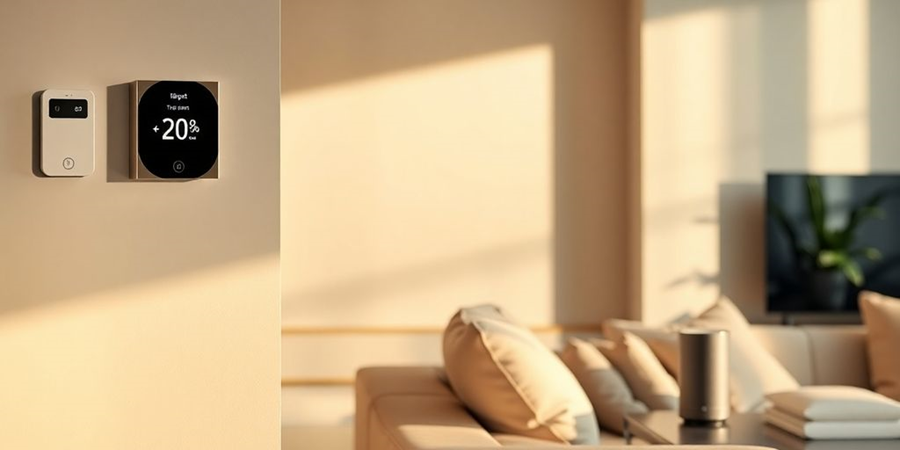
Hiring Professionals
When you’re getting ready to add smart devices to your home’s electrical setup, it’s really important to think about who’s going to do the work. While some simple things, like plugging in a smart speaker, are easy enough for anyone, anything that involves wiring or your main electrical panel should really be left to the pros.
Trying to do it yourself when you’re not sure what you’re doing can be a real safety hazard. You could end up with shocks, fires, or just a system that doesn’t work right. It’s always best to call a qualified electrician for any significant electrical work.
They know the local codes here in Fond du Lac and have the right tools and know-how to get the job done safely and correctly. They can also spot potential problems with your existing wiring that you might miss.
Safety First
Safety is the number one thing to keep in mind. Before any work starts, make sure the power is turned off to the area you’ll be working in. If you’re installing something like a smart switch, you’ll need to turn off the breaker for that circuit.
It’s also a good idea to use surge protectors for your new smart devices, especially those connected to the internet. This helps protect them from power spikes.
Here are a few key safety points:
- Always turn off the power at the breaker box before touching any wires.
- Use insulated tools when working with electrical components.
- Make sure all connections are secure and properly insulated.
- Don’t overload circuits; know your panel’s capacity.
- Keep your smart home network secure with strong passwords and updated software.
When to Call an Electrician
- Any work involving your main electrical panel or sub-panels.
- Installing new circuits or upgrading existing ones.
- Replacing hardwired fixtures like smart light switches or ceiling fans.
- If your home’s wiring is old (especially pre-1985) and might need updates like a neutral wire.
- If you’re unsure about any part of the installation process.
Common Issues and Solutions
Sometimes, even with professional help, you might run into a few snags. Here are some common ones:
- Wi-Fi Connectivity Problems: Your new smart devices might not connect reliably. This could be due to a weak Wi-Fi signal. You might need to upgrade your router or add Wi-Fi extenders to get better coverage throughout your home.
- Power Supply Limitations: Some smart devices, especially if you’re adding several, might draw more power than your current circuits can handle. If your breakers keep tripping, it’s a sign you might need an electrical panel upgrade.
- Device Compatibility: Not all smart devices play nicely together. Before you buy, check if the devices you want are compatible with each other and with your existing home network. Your electrician can also offer advice on choosing devices that will integrate well.
Wrapping Up Your Smart Home Journey
So, you’ve learned a lot about bringing smart tech into your home’s electrical setup. It’s not just about fancy gadgets; it’s about making your place work better for you, saving energy, and feeling more secure.
Remember to check your home’s wiring, pick devices that play nice with each other, and don’t be afraid to call in an electrician if things get complicated. Keeping things safe and compatible is the main goal.
At Advanced Electric LLC, we make everyday living smarter with our smart devices integration and electrical services. From automated lighting and voice-controlled thermostats to security systems you can manage from your phone, we ensure everything works seamlessly together. We take time to understand your needs, set up devices efficiently, and guide you through using them. Whether upgrading your home or office, we make technology work for you, not the other way around.
Contact us right now for expert electrical services.
Frequently Asked Questions
How do smart devices connect to my home’s electricity and internet?
Most smart devices connect to your home’s Wi-Fi. Some might need a special hub or bridge to talk to your network. It’s a good idea to check if your Wi-Fi is strong enough throughout your house before you start buying devices.
Can my current electrical system handle smart devices?
It’s smart to check your electrical panel’s capacity. Adding many smart devices can use more power. An electrician can tell you if your panel can handle the extra load or if it needs an upgrade.
Do smart devices actually help save energy?
Yes, smart thermostats can help save energy by learning your habits and adjusting the temperature automatically. Smart lights can be programmed to turn off when you leave a room or at certain times.
Can I install smart devices myself, or do I need an electrician?
For simple things like smart plugs or bulbs that just screw in, you can often install them yourself. But for anything that needs wiring, like smart switches or thermostats, it’s much safer and better to hire a qualified electrician.
How do I make sure my new smart devices will work together?
It’s important to make sure new smart devices work with the systems you already have, like your phone or smart speakers (like Alexa or Google Home). Check the product details for compatibility before you buy.
Can I control my smart devices when I’m away from home?
Yes, you can. Many smart devices can be controlled from your phone or computer using apps, even when you’re not at home. This lets you check on things or make changes from anywhere.