TL;DR: Knob and tube wiring was installed in homes from about 1880 into the 1940s. It has no ground wire, it cannot be safely buried in insulation, and many insurers will not cover it. It is not always an emergency, but it is always worth an inspection. Advanced Electric LLC inspects and replaces knob and tube wiring across Fond du Lac County. Call (920) 921-2499 for a free estimate.
Knob and tube wiring is still behind the walls of thousands of older homes in Fond du Lac and across Wisconsin. If your house was built before 1950, there is a real chance some of it is still live. That matters for your safety, your insurance, and your plans to sell or remodel.
The numbers show how common old housing is here. In Fond du Lac County, 24 percent of homes were built in 1939 or earlier, based on Census survey data. Statewide, 18.6 percent of Wisconsin housing units date to 1939 or earlier, according to UW Madison Extension.
This guide explains what knob and tube wiring is, why it causes problems today, and what replacement involves. Advanced Electric LLC has rewired older homes around Fond du Lac and Lake Winnebago since 1998.
What Is Knob and Tube Wiring?
Knob and tube wiring is an early electrical system that runs single wires through ceramic knobs and tubes inside walls and ceilings. It was the common wiring method in North American homes from about 1880 into the 1940s. It is no longer allowed in new construction.
You can often spot it in an unfinished basement or attic. Look for separate black and white wires running a few inches apart. The wires pass through white ceramic tubes where they go through wood framing. White ceramic knobs hold them in place along joists.
InterNACHI, the home inspector association, dates the system to roughly 1880 through the 1940s. Some homes kept getting it until about 1950, according to GuideOne’s risk management guide.
Is Knob and Tube Wiring Safe?
Knob and tube wiring is not dangerous just because it is old. The danger comes from its age, from insulation packed around it, and from decades of amateur changes. A licensed electrician needs to inspect it to tell you whether your system is safe to keep for now or should come out soon.
When it was installed, this wiring worked well for the loads of the day. Homes then had a few lights and maybe a radio. A Wisconsin kitchen today runs a microwave, a coffee maker, a dishwasher, and more.
The main safety concerns look like this:
- No ground wire. The system has no ground, so it cannot properly serve three prong appliances.
- No GFCI protection. GuideOne notes you cannot install a GFCI outlet on these circuits the normal way.
- Hidden splices. Splices inside walls often have no junction box at all.
- Small services. These systems are usually tied to electrical services under 100 amps.
- Brittle insulation. The cloth and rubber coating on the wires breaks down with age and heat.
Electrical problems are a leading cause of house fires. The Electrical Safety Foundation International reports about 51,000 home electrical fires each year, with more than 1,400 injuries and about $1.3 billion in property damage.
Why Insulation Makes Knob and Tube Wiring Riskier
Knob and tube wiring was designed to shed heat into open air. When insulation is blown or packed around the wires, that heat has nowhere to go. That is a real fire hazard, and it is common in Wisconsin homes.
Many older Fond du Lac homes have had attic insulation added to cut winter heating bills. That is a smart upgrade, except when the insulation covers live knob and tube wiring.
The National Electrical Code bans this setup. NEC Section 394.12 prohibits concealed knob and tube wiring in hollow walls, ceilings, and attics filled with loose, blown in, rolled, or foamed insulation that surrounds the wires.
The U.S. Department of Energy gives weatherization crews the same warning. Its attic preparation guide tells them to check for live knob and tube before insulating, then dam it off or replace it with modern wiring.
If you plan to add insulation, call an electrician first. A short inspection can save you from a much bigger problem.
Will Insurance Cover a Home With Knob and Tube Wiring?
Some insurers will cover a home with knob and tube wiring, and some will not. Many refuse coverage because of the fire risk. Others charge higher premiums or ask for an electrician’s inspection first.
American Family Insurance explains that some companies deny coverage outright, while others cover the home at a higher price. InterNACHI notes that some insurers make an exception when a licensed electrical contractor certifies the system as safe.
This hits hardest during a home sale. A buyer’s inspector will flag knob and tube wiring. The buyer’s insurer may then refuse to write a policy until it is replaced. That can delay or sink a closing.
If you are buying or selling an older home in Fond du Lac, Oshkosh, or nearby towns, get the wiring checked early. Our electrical inspections for home safety give you a clear picture before the deadline hits.
Do You Have to Replace Knob and Tube Wiring in Wisconsin?
No code requires a homeowner to remove all knob and tube wiring at once. Some local rules require removal wherever it is accessible, and the NEC limits how it can be extended. In practice, insurance, remodeling, and safety concerns push most owners to replace it.
Wisconsin law lets you work on wiring in a single family home you own and live in. The Wisconsin Department of Safety and Professional Services notes that a permit may still be required. Local ordinances can also require a licensed electrician.
That exemption does not make knob and tube a good DIY project. Splicing new wire into old circuits is one of the most common mistakes InterNACHI sees. Our guide on electrical permits in Wisconsin covers when a permit applies.
What Knob and Tube Replacement Involves
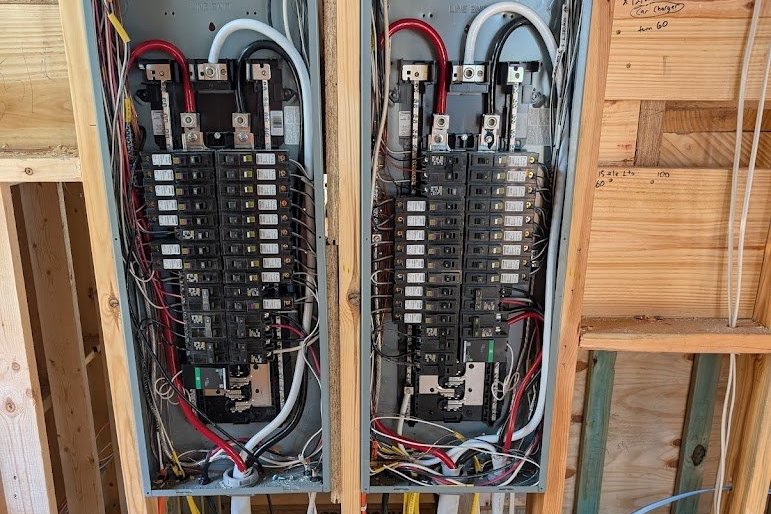
Replacing knob and tube wiring means running new grounded cable to each outlet, switch, and light, then disconnecting the old circuits. Most jobs also include a panel upgrade. A good electrician plans the work room by room to limit wall damage.
A typical replacement follows these steps:
- Inspection. We trace which circuits are still live and which were already updated.
- Plan. We map new circuit routes through basements, attics, and existing openings.
- Panel. Many homes with knob and tube still have a small service. A panel upgrade often goes in at the same time.
- Rewire. New grounded cable runs to each device. GFCI and AFCI protection goes where code calls for it.
- Inspection and patch. The work passes local inspection, and wall openings are patched.
Rewiring can take days to weeks and cost thousands of dollars, depending on the home’s size and access. A national cost guide from Angi puts full replacement at about $10 to $20 per square foot. For local numbers, see our guide on what it costs to rewire a house in Fond du Lac.
Signs Your Knob and Tube Wiring Needs Attention Now
Some warning signs mean you should call an electrician this week, not this year. Watch for these:
- Lights that flicker or dim when appliances turn on
- Outlets or switch plates that feel warm
- A burning or hot plastic smell near outlets
- Fuses that blow often
- Extension cords used because rooms lack outlets
- Wires covered in insulation in your attic
If you see scorch marks or smell burning, turn off power to that circuit and call a licensed electrician right away.
Get Your Older Home Wiring Checked
Knob and tube wiring is common in older Fond du Lac homes, and it does not belong under insulation or carrying modern loads. It also creates real problems with insurance and home sales. An inspection tells you what you have and what to do next.
Advanced Electric LLC has served Fond du Lac and surrounding Wisconsin communities since 1998. Our team brings over 60 years of combined experience and a safety first, Clean Wiring approach to every rewire. Learn more about our residential electrical services in Fond du Lac.
Frequently Asked Questions
How do I know if my house has knob and tube wiring?
Check an unfinished basement or attic for single wires running through white ceramic knobs and tubes. Two prong outlets and a fuse box are other clues. A licensed electrician can confirm which circuits are still live.
Can I sell a house with knob and tube wiring in Wisconsin?
Yes, you can sell it, but the buyer’s inspector will likely flag it. Many buyers then struggle to get insurance until the wiring is replaced. Getting an electrician’s report early helps you plan and price the sale.
Can knob and tube wiring be grounded?
Not in its original form, because the system has no ground wire. An electrician can run new grounded circuits to replace it. Swapping in three prong outlets without a ground is unsafe and does not fix the problem.
Is it safe to put insulation over knob and tube wiring?
No. The National Electrical Code prohibits concealed knob and tube wiring in spaces filled with insulation that surrounds the wires. Have an electrician inspect and replace or isolate the wiring before you insulate.
How long does it take to replace knob and tube wiring?
Most homes take several days to a few weeks, depending on size, access, and how much wiring is left. Open basements and attics make the job faster. A free estimate gives you a real timeline for your home.
Call Advanced Electric LLC Today
Older homes deserve wiring that is safe for how you live now. If you suspect knob and tube wiring, let a licensed electrician take a look before you insulate, remodel, or list the house.
Call (920) 921-2499 or request a free estimate today.
213 W 9th St, Fond du Lac, WI 54935 | Mon through Fri, 7:00 AM to 4:00 PM